





Silvia F1

SKU: BS213
Our earliest maturing Brussels sprout, Silvia is ready to harvest for Thanksgiving dinner. Read More

Exposure Full Sun

Matures in 105 days

Season Cool Season

Seed type Hybrid ?

Disease Resistance HR: FY | IR: BR ?

Average Seeds Per Gram 290 ?

Click here for more options
*Please note, this product cannot be shipped to the USA.
See our FAQs for more info.
New for 2026
Shipping & Returns

West Coast Seeds ships anywhere in North America. However, we are not able to ship garlic, potatoes, asparagus crowns, bulbs, onion sets, Mason bee cocoons, or nematodes outside of Canada. We regret, we cannot accept returns or damages for orders outside of Canada. The minimum shipping charge to the US is $9.99.

Seeds of Growth

For every order online, we donate a pack of seeds to gardens and communities worldwide through our Seeds of Growth program, supporting sustainable growth and local food systems.

Silvia F1

Product Details

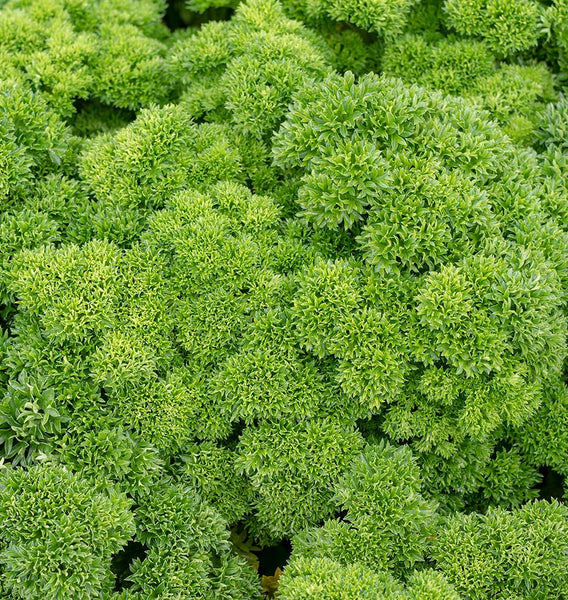
Our earliest maturing Brussels sprout is ready to harvest for Thanksgiving dinner. Silvia's large, dense sprouts are uniform and easy to clean, growing on medium-tall plants. High resistance to Fusarium yellows and Black rot. A reliable performer for the first early slot.

Quick Facts:

    • Early to harvest
    • Good disease resistance
    • Matures in 105 days

We'll notify you when this product is back in stock.


Silvia F1

We don't share your information with others.

Your notification has been registered.  Click to close!

All About Silvia F1

Latin

Latin
Brassica oleracea var. gemmifera
Family: Brassicaceae

Season & Zone

Season & Zone
Season: Cool season
Exposure: Full-sun

Timing

Timing
The goal is to harvest mature sprouts after they have been kissed by frost. Seeds can be direct sown any time once the daytime temperature is steadily above 10°C (50°F). Otherwise start the seeds in small pots or transplant beds and transplant into the garden so the plants are in the ground for 45-60 days before the first hard frost. Optimal soil temperature for germination: 10-30°C (50-85°F). Seeds should germinate in 7-10 days.

Starting

Starting
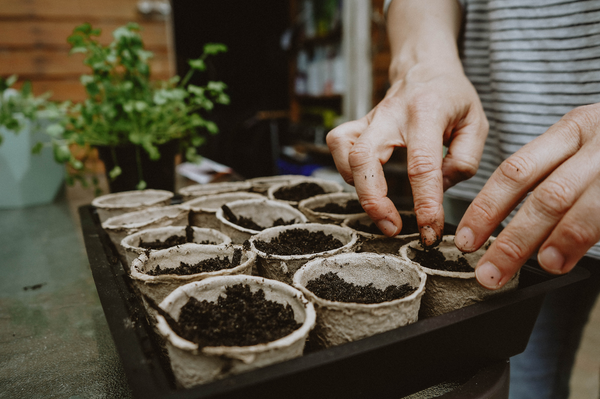
Sow 3-4 seeds per pot, 1cm (1/2”) deep, under very bright light. Thin to the strongest plant. Transplants should be set out when they have 6-8 true leaves. Space transplants 45-60cm (18-24″) apart in rows 75-90cm (30-36″) apart.

Growing

Growing
Ideal pH: 6.0-7.5. Plant in humus-rich soil amended with composted manure. Mix ¼ cup complete organic fertilizer into the soil under each transplant. High nitrogen levels result in loose sprouts with internal browning, so do not fertilize after midsummer. Cool temperatures during sprout development are important for compact, quality sprouts.

Days to Maturity

Days to Maturity
From transplant date.

Harvest

Harvest
Sprouts are sweeter after moderate freezes. Pick when sprouts are firm and well-formed, beginning with the ones at the bottom. The upper sprouts continue to form and enlarge as the bottom ones are harvested. For a once over harvest, to ensure you have enough for your holiday meal, pinch out the growing point at the top of the stem when the lower sprouts are 1-2 cm (½-¾”) in diameter. A full stem of evenly sized sprouts will develop in about 2 weeks.

After harvesting the sprouts, there may be another harvest in early spring where winters are mild. The plant sends up long, edible flower stalks which are tender and sweet when steamed, or served raw with a dip.

Seed Info

Seed Info
In optimum conditions at least 80% of seeds will sprout. Usual seed life: 3 years. Per 100′ row: 170 seeds, per acre: 30M seeds.

Diseases & Pests

Diseases & Pests
Slugs and snails – Slugs are attracted to beer, so place a little beer in a cup dug into the ground. Sprinkle broken eggshells around plants to deter slugs and snails.
Cabbage aphids – A hard stream of water can be used to remove aphids from plants. Wash off with water as needed early in the day. Check for evidence of natural enemies such as grey-brown or bloated parasitized aphids and the presence of larvae of lady beetles and lacewings.
Cabbage root maggot – White maggot larvae feed on roots of plants. Damage causes wilting early on, and the death of plants later on.
Flea Beetles – Use row covers to help protect plants from early damage. Put in place at planting and remove before temperatures get too hot in midsummer. Control weeds. Nematodes feed on the larvae of these pests.
Cutworms – Control weeds. Cardboard collars around each plant give good protection.
Cabbageworms – Hand-pick and destroy. Row covers may be useful on small plantings to help protect plants from early damage. Put in place at planting and remove before temperatures get too hot in midsummer.

Clubroot: If soil is infested, add lime to raise pH of soil to 7.2. Locate plants in a part of the garden different from previous year’s location. If that is not possible, remove infested soil and replace with fresh soil. Start seeds in sterile potting mix or fresh ground. Remove and discard or destroy infested plants along with the surrounding soil and soil clinging to roots.

Companion Planting

Companion Planting
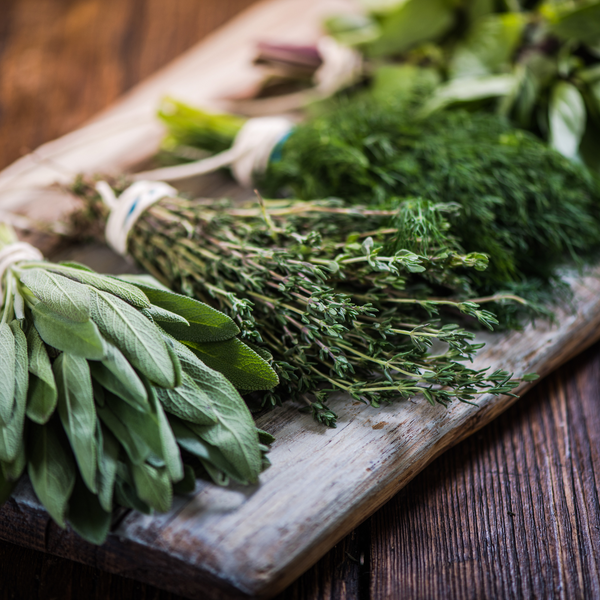
All Brassicas benefit from chamomile, dill, mint, rosemary, and sage. Avoid planting near eggplants, peppers, potatoes, or tomatoes.

More on Companion Planting.

Customer Reviews & Questions