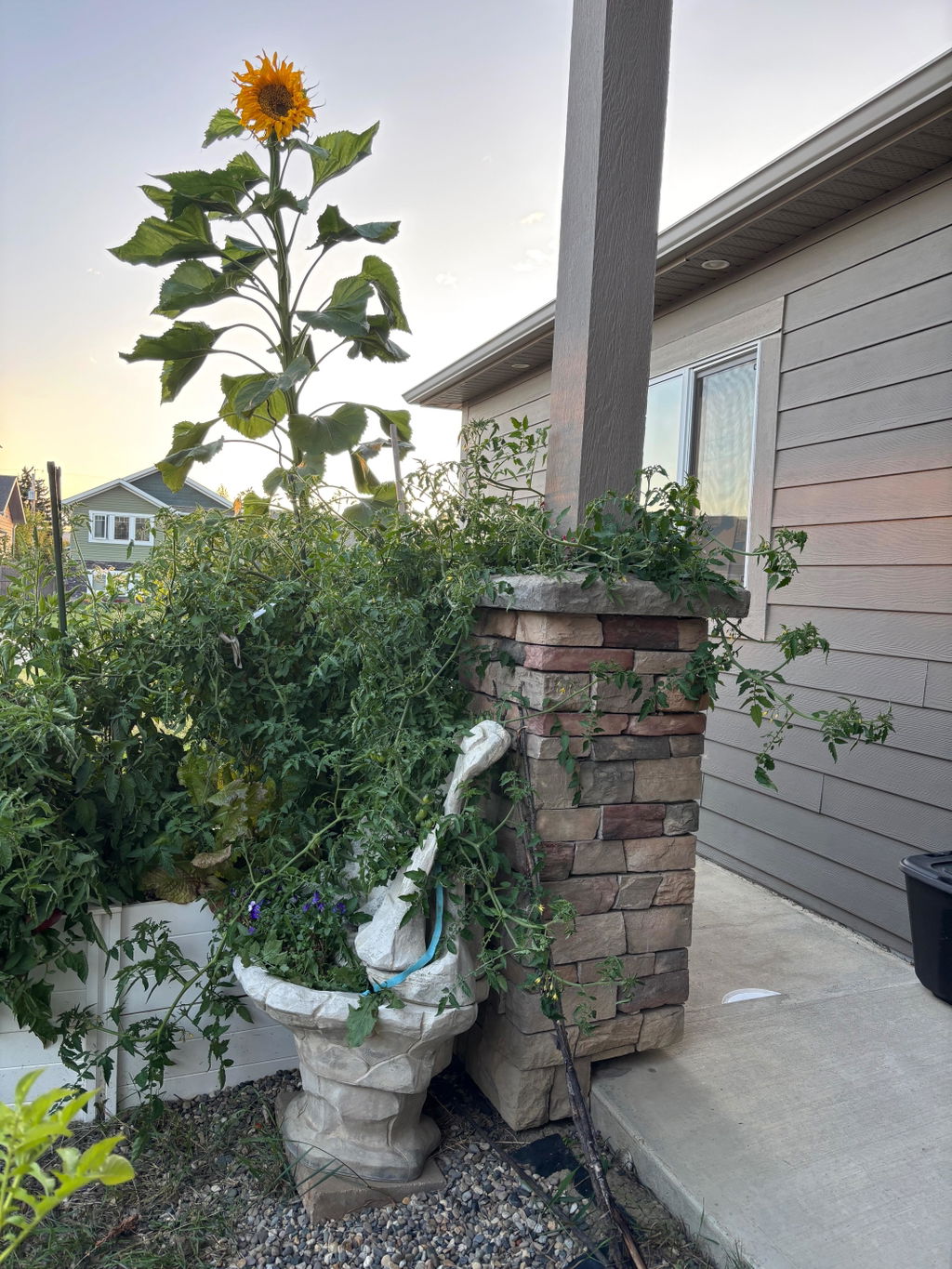

“Dwarf” if you’re a giant maybe. I planted a cluster of about 16 and now they’re about 8 feet tall. I need a ladder to pick the fruit! I get a good amount of fruit every second day and I couldn’t be any happier!
NOTE: Shipping may be slightly delayed this week due to our annual inventory count. Back to normal June 28. Thanks for your patience.
Introduce a friend to organic growing. Send them $10 off their first order and get $10 off your next order.
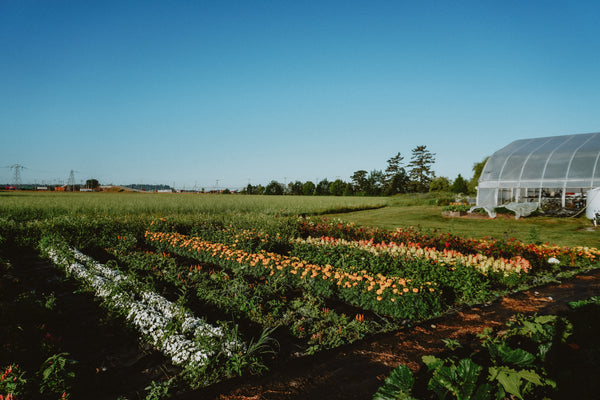
Biodiversity is a key element of pollinator conservation, and one of the founding principles of organic growing. Biodiversity, both above and beneath the soil, promotes healthier ecosystems. In these conditions, gardeners and growers can better exploit naturally occurring phenomena: predatory and beneficial insects, naturally fertile soil, improved pollination for better harvests, and resistance to disease and environmental pressures. By promoting the growth of meadows, set-asides, wildflower rows, nectaries, and hedgerows, growers can actually improve the land on (and in) which they grow. By growing native plants, we can create habitat for native pollinators and increase biodiversity for ecosystem health.
Below includes a list of native and long-naturalized species that have functional relationships with the community of flora and fauna within the Maritimes. The range of each plant’s native or naturalized distribution may not extend throughout the Maritimes or Nova Scota, New Brunswick, Newfoundland or PEI, and instead may be limited to a particular ecozone or ecoregion. Plant distribution doesn’t follow the tidy lines of maps. It is best to research selections further to choose the ones most appropriate for your particular region.
Logging you in
“Dwarf” if you’re a giant maybe. I planted a cluster of about 16 and now they’re about 8 feet tall. I need a ladder to pick the fruit! I get a good amount of fruit every second day and I couldn’t be any happier!