











West Coast Seeds ships anywhere in North America. However, we are not able to ship garlic, potatoes, asparagus crowns, bulbs, onion sets, Mason bee cocoons, or nematodes outside of Canada.


Excellent germination rates and uniformity.



Exposure Full-sun to partial shade
Average Seeds Per Gram 4 ?
West Coast Seeds ships anywhere in North America. However, we are not able to ship garlic, potatoes, asparagus crowns, bulbs, onion sets, Mason bee cocoons, or nematodes outside of Canada.
For every order online, we donate a pack of seeds to gardens and communities worldwide through our Seeds of Growth program, supporting sustainable growth and local food systems.
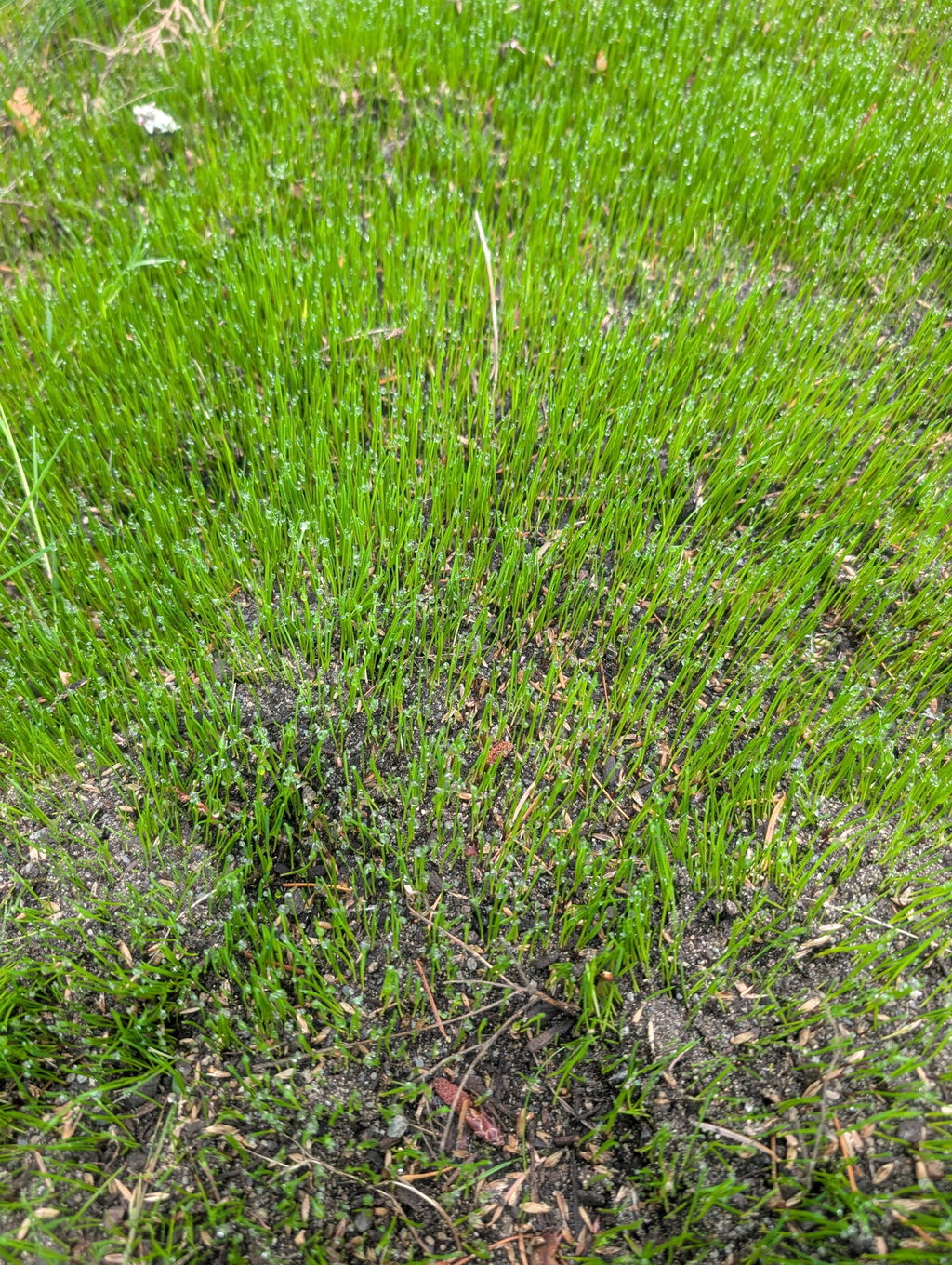
Vicia faba. Fava Beans Organic cover crop seeds produce hardy annual, upright plants. This small-seeded broad bean is a popular nitrogen fixer. The large brittle plants work in easily with front end tillers, or can be cut and composted. Turn plants in before the seeds start forming, 2 weeks before you want to plant in that spot. Fava beans can be started as early as the end of January, or as late as early November. Plants grow slowly. Use 57kg (125 lbs) per acre. 500g covers 385 ft.
This seed is intended to be planted as a cover crop only. Click here for edible broad beans.
(Open-pollinated seeds)
We'll notify you when this product is back in stock.
Latin
Latin
Vicia faba
Family: Fabaceae
Exposure
Exposure: Full sun to partial shade
Timing
Timing
Fava beans can be started as early as the end of January, or as late as early November where winters are mild. Plants grow slowly, and are hardy down to Zone 7: -17°C (0°F).
Starting
Starting
Aim for a minimum of four plants per square foot. Sow seeds 5mm (¼") deep.
Growing
Growing
For nitrogen fixation, allow the plants to grow until flowering begins. Cut plants at the surface and leave on the soil as a mulch, or use for compost. The large brittle plants can also be worked into the soil easily with a garden fork. Allow two weeks before planting the next crop.
West Coast Seeds is a family-owned company that embraces an organic lifestyle. A group of imagination catalysts and passionate educators, dedicated to producing products and services that better the environment. As part of our mission to repair the earth, we aim to inspire and empower people to take responsibility for the state of the planet. For us, organic is about much more than saying no to chemicals, it is about saying yes to building a healthy soil for the future.
For over 35 years, we have upheld our strong reputation as a leading seed supplier, seeking out the highest quality untreated seeds for organic growing and putting them through rigorous independent testing. We built our company on the exchange of generational wisdom in a masterclass community of newbies and masters alike. Our world may have changed, but our commitment to our people, our customers, and our planet has not.
We’re a values-based business that has blossomed into a lifestyle ethos, with products that support seeders, feeders, keepers, and the tiniest of creepers. Our mission? To mobilize the next generation of gardeners with products that nourish soil and grow vigorous, sustainable gardens. We believe all plants should be grown without the use of chemicals, and that the seeds we supply are an important component of regenerative gardening.
We don’t just offer seeds, we offer experience, insight, and understanding. From timeless garden wisdom to new tech know-how, this is learning on the job: knowledge gleaned not from the pages of a book but from burying our fingers in the soil. We test, experiment, observe and adapt, never happier than when we get to share what we’ve learned with others.
Gardens don’t just grow seeds. They grow minds and imaginations, people and communities. Our vision encompasses both the micro and the macro. We eat locally, protect pollinators, teach people to grow from seed, and support regional biodiversity. We think big but act small and deliver unexpected impact — always with community and purpose.
At West Coast Seeds we believe in the power of small and that little can be large. Like the tiniest seed germinates to evoke incremental change with massive potential, so to can our community of gardeners and growers together. Gardeners are the earth’s stewards, planting seeds of creative declaration. The soil provides the canvas, we provide the seeds.
Fava beans can be started as early as the end of January, or as late as early November where winters are mild. Plants grow slowly, and are hardy down to Zone 7: -17°C (0°F).
Aim for a minimum of four plants per square foot. Sow seeds 5mm (¼") deep.
For nitrogen fixation, allow the plants to grow until flowering begins. Cut plants at the surface and leave on the soil as a mulch, or use for compost. The large brittle plants can also be worked into the soil easily with a garden fork. Allow two weeks before planting the next crop.