




West Coast Seeds ships anywhere in North America. However, we are not able to ship garlic, potatoes, asparagus crowns, bulbs, onion sets, Mason bee cocoons, or nematodes outside of Canada.
For every order online, we donate a pack of seeds to gardens and communities worldwide through our Seeds of Growth program, supporting sustainable growth and local food systems.
Coriandrum sativum. Santo is a popular home garden and commercial variety for all-season sowing, Direct sow short rows of Santo every other week from spring to late summer for a continuous harvest. The mature seeds, better known as coriander, are easy to harvest, and used in many dishes - notably curry powder blends. Keep an eye on your cilantro crop as it is fast-growing. As soon as a central stem appears and the uppermost leaves become frilly, flowering is imminent. The roots are useful - check out our Coriander Root Paste recipe. Because of this taproot, cilantro does not transplant well.
If growing for seeds, simply allow the plants to flower. Cilantro flowers are highly attractive to beneficial insects like Syrphid flies, lacewings, and lady beetles. Be warned that if the seeds are not harvested when they are mature, you will have volunteer cilantro plants for years to come.
Cilantro will grow somewhat leggy, but productively in partial shade, and it is quite tolerant of cool temperatures. With the protection of a cloche greenhouse, cilantro will continue growing all winter.
We'll notify you when this product is back in stock.
Latin
Latin
Coriandrum sativum
Family: Apiaceae
Difficulty
Difficulty
Easy
Season & Zone
Season & Zone
Season: Cool season
Exposure: Sun or part-shade
Zone: Will overwinter with protection in Zones 7+
Timing
Timing
Direct sow from just after the last frost date to late spring. Direct sow in the fall under cover for a winter crop. Optimal soil temperature for germination: 15°C (60°F). Seeds should sprout in 5-10 days.
Starting
Starting
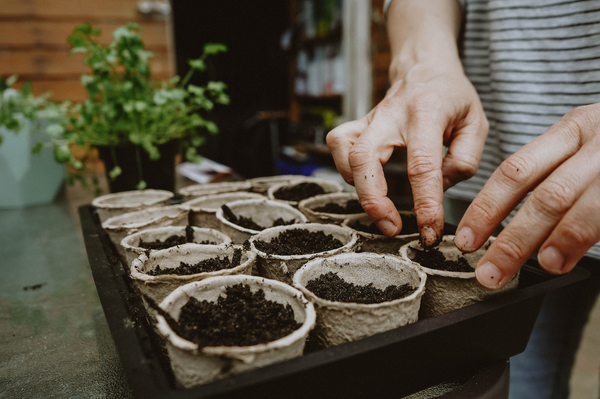
Sow 2cm (1″) deep in short rows. Thin seedlings to stand 5-10cm (2-4″) apart if harvesting leaves. If growing for seed, allow 23cm (9″) between plants.
Growing
Growing
Cilantro is tricky because several factors can cause it to bolt. Avoid transplanting for this reason, and avoid hot conditions as well as too much moisture. It does best in light, well-drained soil in partial shade, in relatively dry conditions. This is easy to achieve beneath a cloche in winter, where cilantro will thrive. Once it blooms, the seeds ripen suddenly, in only a couple of days, so care should be taken to prevent self sowing or simply losing those useful seeds.
Harvest
Harvest
Pick young leaves once they have reached about 10cm (4″) in height. The flavour, though intense when fresh, diminishes quickly when dried or cooked, so always add cilantro just before serving. Try freezing it in ice cube trays with water. The stems and roots are also full of flavour. Harvest the seeds by sticking 6 or 8 seed heads in a paper bag and hanging it up somewhere airy, away from direct sunlight. The bag will catch the seeds as they ripen and fall out.
Seed Info
Seed Info
Usual seed life: 3 years.
Companion Planting
Companion Planting
Cilantro repels aphids, potato beetles, and spider mites. It attracts hoverflies and other beneficial predatory insects.
More on Companion Planting.
West Coast Seeds is a family-owned company that embraces an organic lifestyle. A group of imagination catalysts and passionate educators, dedicated to producing products and services that better the environment. As part of our mission to repair the earth, we aim to inspire and empower people to take responsibility for the state of the planet. For us, organic is about much more than saying no to chemicals, it is about saying yes to building a healthy soil for the future.
For over 35 years, we have upheld our strong reputation as a leading seed supplier, seeking out the highest quality untreated seeds for organic growing and putting them through rigorous independent testing. We built our company on the exchange of generational wisdom in a masterclass community of newbies and masters alike. Our world may have changed, but our commitment to our people, our customers, and our planet has not.
We’re a values-based business that has blossomed into a lifestyle ethos, with products that support seeders, feeders, keepers, and the tiniest of creepers. Our mission? To mobilize the next generation of gardeners with products that nourish soil and grow vigorous, sustainable gardens. We believe all plants should be grown without the use of chemicals, and that the seeds we supply are an important component of regenerative gardening.
We don’t just offer seeds, we offer experience, insight, and understanding. From timeless garden wisdom to new tech know-how, this is learning on the job: knowledge gleaned not from the pages of a book but from burying our fingers in the soil. We test, experiment, observe and adapt, never happier than when we get to share what we’ve learned with others.
Gardens don’t just grow seeds. They grow minds and imaginations, people and communities. Our vision encompasses both the micro and the macro. We eat locally, protect pollinators, teach people to grow from seed, and support regional biodiversity. We think big but act small and deliver unexpected impact — always with community and purpose.
At West Coast Seeds we believe in the power of small and that little can be large. Like the tiniest seed germinates to evoke incremental change with massive potential, so to can our community of gardeners and growers together. Gardeners are the earth’s stewards, planting seeds of creative declaration. The soil provides the canvas, we provide the seeds.
Direct sow from just after the last frost date to late spring. Direct sow in the fall under cover for a winter crop. Optimal soil temperature for germination: 15°C (60°F). Seeds should sprout in 5-10 days.
Sow 2cm (1″) deep in short rows. Thin seedlings to stand 5-10cm (2-4″) apart if harvesting leaves. If growing for seed, allow 23cm (9″) between plants.
Cilantro is tricky because several factors can cause it to bolt. Avoid transplanting for this reason, and avoid hot conditions as well as too much moisture. It does best in light, well-drained soil in partial shade, in relatively dry conditions. This is easy to achieve beneath a cloche in winter, where cilantro will thrive. Once it blooms, the seeds ripen suddenly, in only a couple of days, so care should be taken to prevent self sowing or simply losing those useful seeds.
Usual seed life: 3 years.
Pick young leaves once they have reached about 10cm (4″) in height. The flavour, though intense when fresh, diminishes quickly when dried or cooked, so always add cilantro just before serving. Try freezing it in ice cube trays with water. The stems and roots are also full of flavour. Harvest the seeds by sticking 6 or 8 seed heads in a paper bag and hanging it up somewhere airy, away from direct sunlight. The bag will catch the seeds as they ripen and fall out.