



WCS Academy

Gardening advice, How To Grow Guides, and Seasonal inspiration.

Explore practical articles on seed starting, crop-specific growing tips, seasonal planning, pest management, and garden projects from the West Coast Seeds team.

195 articles Updated seasonally by West Coast Seeds

Filter Posts

All Filters

Choose sweet onion varieties for enjoying raw or cooked within a few weeks after harvest. Storage types keep much longer, and will last until the...

Continue Reading

Choose sweet onion varieties for enjoying raw or cooked within a few weeks after harvest. Storage types keep much longer, and will last until the following spring in the right conditions. All onions are...

Continue Reading

Lettuce grows best in cool weather in the spring and fall, but it can be grown in the summer, and all winter long in milder...

Continue Reading

Lettuce grows best in cool weather in the spring and fall, but it can be grown in the summer, and all winter long in milder regions. Sow short rows every 2-3 weeks following the...

Continue Reading

Leeks are a valuable addition to the garden because they can be used instead of pungent storage onions from October until April. Even in heavy...

Continue Reading

Leeks are a valuable addition to the garden because they can be used instead of pungent storage onions from October until April. Even in heavy soils, leeks are easy to grow and have lots...

Continue Reading

This close relative of the cabbage was bred over centuries to develop a flattened "meristem" over a taproot that descends into the soil. Sometimes referred...

Continue Reading

This close relative of the cabbage was bred over centuries to develop a flattened "meristem" over a taproot that descends into the soil. Sometimes referred to as German turnips, kohlrabis are very rich in...

Continue Reading

Corn Salad is a largely unknown leafy vegetable that has a long history in Europe, where it is know variously as mache, vit, fetticus, and...

Continue Reading

Corn Salad is a largely unknown leafy vegetable that has a long history in Europe, where it is know variously as mache, vit, fetticus, and so on. Harvest individual leaves or whole rosettes. These...

Continue Reading

These big plants will grow in almost any soil, but getting the cob to mature is another matter. The maturity of the ears (cobs) is...

Continue Reading

These big plants will grow in almost any soil, but getting the cob to mature is another matter. The maturity of the ears (cobs) is not controlled by the size of the plant, nor...

Continue Reading

Kale contains higher levels of beta-carotene than any other green vegetable, and is also high in vitamin C and calcium. Collards are not far behind....

Continue Reading

Kale contains higher levels of beta-carotene than any other green vegetable, and is also high in vitamin C and calcium. Collards are not far behind. All are easy to grow, vigorous, nutritious, resistant to...

Continue Reading

Chickpeas require 90-100 days to mature. Start them indoors approximately 4 weeks before the last average frost date. Optimal soil temperature: 10°C (50°F). Seeds sprout in 14-21 days...

Continue Reading

Chickpeas require 90-100 days to mature. Start them indoors approximately 4 weeks before the last average frost date. Optimal soil temperature: 10°C (50°F). Seeds sprout in 14-21 days depending on conditions.

Continue Reading

Celery is a refreshing treat from the garden, and particularly flavourful when fresh. Celeriac is a variety of celery that is grown for its root,...

Continue Reading

Celery is a refreshing treat from the garden, and particularly flavourful when fresh. Celeriac is a variety of celery that is grown for its root, which can be used in a variety of dishes....

Continue Reading

From seedling to harvest, cauliflower must grow steadily to make a large plant and curd. If growth slows, scratch additional fertilizer into the surface of...

Continue Reading

From seedling to harvest, cauliflower must grow steadily to make a large plant and curd. If growth slows, scratch additional fertilizer into the surface of the soil around each plant. Maintain even soil moisture...

Continue Reading

It’s easy to learn how to grow carrots from seed. Carrots are biennials so they use their leaves in the first year to gather energy from...

Continue Reading

It’s easy to learn how to grow carrots from seed. Carrots are biennials so they use their leaves in the first year to gather energy from the sun to build a big, starchy root. This...

Continue Reading

Eating lots of cabbage may also protect the eyes from macular degeneration. To preserve its vitamins and mineral content, do not overcook cabbage. Store cut...

Continue Reading

Eating lots of cabbage may also protect the eyes from macular degeneration. To preserve its vitamins and mineral content, do not overcook cabbage. Store cut cabbage in the refrigerator in a plastic bag with...

Continue Reading

Fresh Brussels sprouts are a superb fall and winter treat. Like broccoli, these Brassicas are full of beta-carotene, vitamin C, and fibre. After frost they become sweet,...

Continue Reading

Fresh Brussels sprouts are a superb fall and winter treat. Like broccoli, these Brassicas are full of beta-carotene, vitamin C, and fibre. After frost they become sweet, as the plants convert starches into sugar as a kind...

Continue Reading

Beets, like many root vegetables are biennials, which, if not harvested, will bloom in the second year of growth. One of the interesting facts about...

Continue Reading

Beets, like many root vegetables are biennials, which, if not harvested, will bloom in the second year of growth. One of the interesting facts about beets is they are closely related to Swiss chard,...

Continue Reading

The much maligned dandelion actually has a lot to offer. It has been vilified in our culture as the invader of lawn spaces, thrusting its...

Continue Reading

The much maligned dandelion actually has a lot to offer. It has been vilified in our culture as the invader of lawn spaces, thrusting its dazzling yellow colour into an otherwise tranquil field of...

Continue Reading

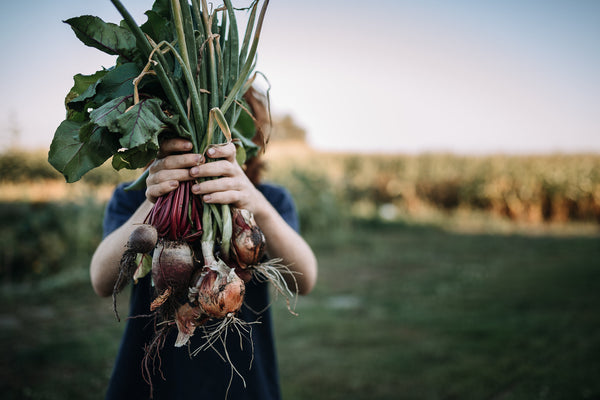
Beets are incredibly nutritious. Both the roots and the leaves are an excellent source of antioxidants, minerals, and vitamin C. They also contain betaine, a compound...

Continue Reading

Beets are incredibly nutritious. Both the roots and the leaves are an excellent source of antioxidants, minerals, and vitamin C. They also contain betaine, a compound that is essential for cardiovascular health. Eat them raw,...

Continue Reading

Direct sow from mid-spring to early summer. Try to plant during a warm, dry spell. Soil must be warm – if it is not warm...

Continue Reading

Direct sow from mid-spring to early summer. Try to plant during a warm, dry spell. Soil must be warm – if it is not warm enough, the seeds may rot, especially our untreated seeds....

Continue Reading

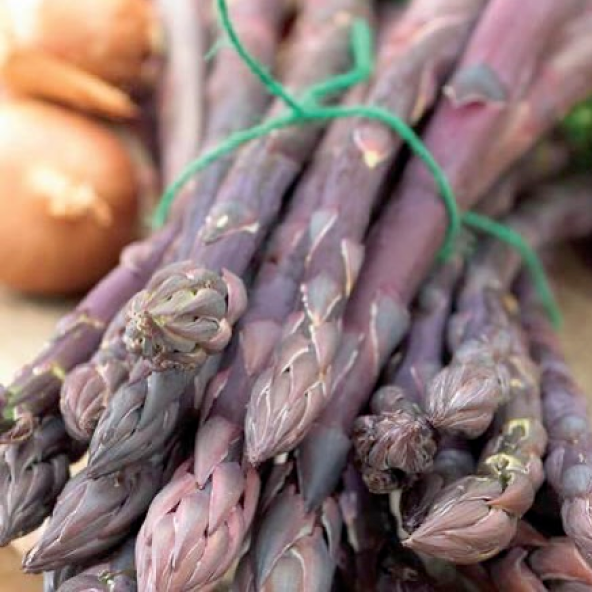
Planting asparagus seeds is an exercise in patience, but one of the most rewarding of all garden tasks. Asparagus seeds germinate slowly, and the crowns...

Continue Reading

Planting asparagus seeds is an exercise in patience, but one of the most rewarding of all garden tasks. Asparagus seeds germinate slowly, and the crowns take three seasons before they can handle being harvested....

Continue Reading

Arugula is a productive, cool season, annual salad green that works best in spring and fall, and can be managed all winter under cloche protection...

Continue Reading

Arugula is a productive, cool season, annual salad green that works best in spring and fall, and can be managed all winter under cloche protection where winters are mild. In hot weather, arugula tends to...

Continue Reading

Whether growing amaranth from seed for its nutritious leaves or its high-protein, gluten-free seeds, it is easy to grow in warm soil with lots of...

Continue Reading

Whether growing amaranth from seed for its nutritious leaves or its high-protein, gluten-free seeds, it is easy to grow in warm soil with lots of sunlight. Amaranth is closely related to quinoa, but also...

Continue Reading

Why garden for Bumble Bees? Bumblebees are a keystone species. This means much of our ecological system hinges on the survival of bumblebees. Not just...

Continue Reading

Why garden for Bumble Bees? Bumblebees are a keystone species. This means much of our ecological system hinges on the survival of bumblebees. Not just native plants rely on these furry pollinators, but also...

Continue Reading

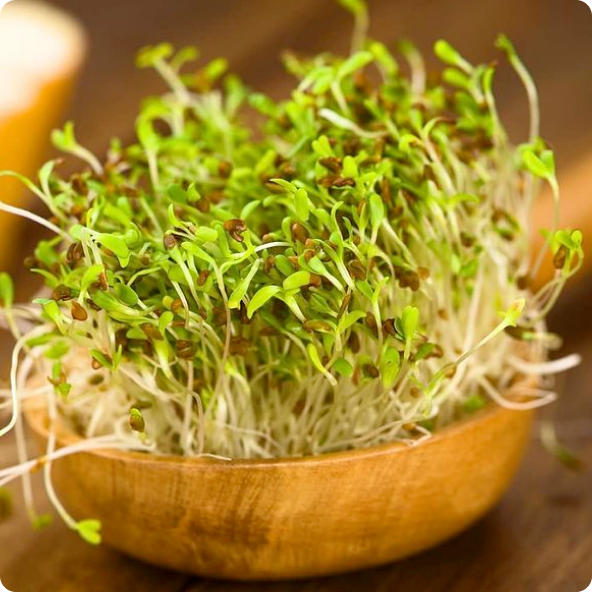
Micro-greens can be grown anywhere, at any time of year. You need to provide some basic elements like soil, moisture, and light, but that’s it....

Continue Reading

Micro-greens can be grown anywhere, at any time of year. You need to provide some basic elements like soil, moisture, and light, but that’s it. You can grow them in the winter in Yellowknife,...

Continue Reading

In many cases pre-packaged soil from the garden centre may serve its purpose when filling containers or raised beds. It is usually manufactured in massive...

Continue Reading

In many cases pre-packaged soil from the garden centre may serve its purpose when filling containers or raised beds. It is usually manufactured in massive amounts by mixing various raw ingredients before bagging. Here...

Continue Reading

There are four central issues that offer a better understanding of garden soil and how it can be improved: Soil structure, soil components, soil life,...

Continue Reading

There are four central issues that offer a better understanding of garden soil and how it can be improved: Soil structure, soil components, soil life, and soil pH. Gardeners (and farmers) will benefit from...

Continue Reading