









West Coast Seeds ships anywhere in North America. However, we are not able to ship garlic, potatoes, asparagus crowns, bulbs, onion sets, Mason bee cocoons, or nematodes outside of Canada.






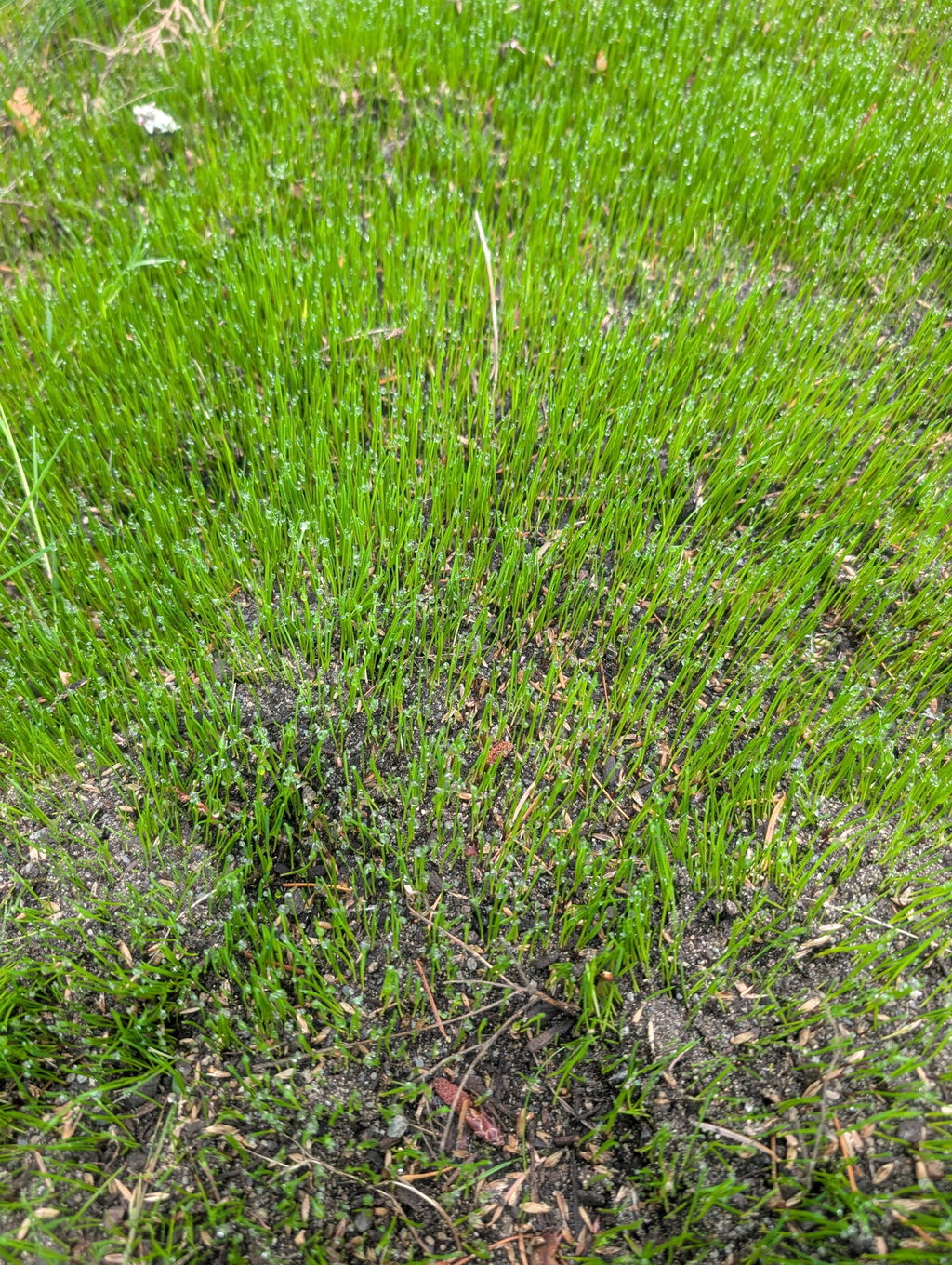
Excellent germination rates and uniformity.

West Coast Seeds ships anywhere in North America. However, we are not able to ship garlic, potatoes, asparagus crowns, bulbs, onion sets, Mason bee cocoons, or nematodes outside of Canada.
For every order online, we donate a pack of seeds to gardens and communities worldwide through our Seeds of Growth program, supporting sustainable growth and local food systems.
This early heirloom shelling pea forms stocky, semi-dwarf bushes from 30-45 cm (12-18") tall and is well suited to growing in containers or the vegetable bed. Each of Little Marvel's 8-10 cm (3-4") pods contains 6-9 medium green, sugary peas. This is a winner of the RHS Award for Garden Merit. Can be grown in spring and cut back in time to plant a summer crop, leaving the soil enriched with nitrogen.
Little Marvel shelling pea seeds were first introduced as Sutton's Little Marvel in 1900. It is an old, dependable variety with an extended season, fine quality, and heavy yields.
We'll notify you when this product is back in stock.
Latin
Latin
Pisum sativum
Family: Fabaceae
Difficulty
Difficulty
Easy
Timing
Timing
Peas prefer cool weather. Plant as early in spring as the soil can be worked. If planting on the west coast after April 1, sow varieties that are listed as being enation resistant if you live in an area where aphids carry the enation virus. Sow again through the summer for a fall crop. The success of a fall crop will depend on the weather. Optimal soil temperature: 10-20°C (50-70°F). Seeds should sprout in 7-14 days.
Starting
Starting
Soaking seeds is not advised for damp soils. Sow seed 2cm (1″) deep. After April 15th, sow seed 5cm (2″) deep. Space seeds 2-7cm (1-3″) apart in the row. Do not thin. If the seeds fail to sprout, try to dig some up and check for rot or insect damage. The challenge with untreated pea seeds is to give them an early start but to avoid rot.
Days to Maturity
Days to Maturity: From direct sowing.
Growing
Growing
Use well-drained soil amended with finished compost. Add 2 cups of rock phosphate or bonemeal for 3m (10′) of row. Plant most varieties along a trellis or fence for support as they climb. Dwarf varieties do not need a trellis, but may benefit from the support of some twigs poked into the soil in the row.
Harvest
Harvest
Pick when pods at the desired stage. In theory, all peas can be harvested before the seeds mature, as snow peas, and then as tender snap peas, and finally as shelling peas. Most varieties have an intended maturity for picking. Make multiple sowings or grow several varieties to extend the harvest season.
How to Blanch Peas
How to Blanch Peas
Peas of all kinds freeze particularly well for use in the fall and winter. Prior to freezing, it’s important to briefly submerge peas in boiling water — this kills the natural enzymes that exist in peas that would otherwise reduce the nutrients and cause the peas to break down over time. We recommend using a large pot of water at a rolling boil, and a colander or sieve for dipping. Timing is everything. For snap and snow peas, dip the whole pods into boiling water for exactly two minutes, and then transfer the pods to a bowl of ice water. For shelled peas, ninety seconds is perfect. Use a timer. After ninety seconds, transfer the peas to a bowl of ice water. All peas (and pods) should then be dried thoroughly on kitchen towels before being stored in zip-top or vacuum bags, with as little air as possible in each bag.
Diseases & Pests
Diseases & Pests
If plants turn yellow and wither from the ground up just after flowering, you may have pea root rot from a soil fungus. It infects the plant in early spring when the soil is very wet. Prevent it by delaying planting until the soil is drier and by using finished compost when you plant. Rotate peas into new areas each year without repeating an area for 3-4 years. Pea enation disease is a Coastal virus disease spread by the green peach aphid. It ends flowering and causes pods to become warty and misshapen.
The pea moth is a sporadic and usually inconspicuous pest. The tiny brown moth flutters around when the flowers are just opening, and lays it eggs on the immature seed pod. The damage the caterpillar does not mean you can’t eat the rest of the peas in the pod. The larva is a tiny caterpillar with a black head, which feeds inside the seedpod and overwinters in the soil. There is one generation per year across Canada. In the pea-growing areas of the lower Fraser Valley in British Columbia, releases of two parasites have provided partially effective biological control. In general, processing and fresh-market pea crops should not be grown in areas with dry (seed) pea or seed vetch crops. After harvest, all remaining pods and vines should be destroyed by ensiling, feeding, or deep cultivating.
Companion Planting
Companion Planting
Superb companions for beans, carrots, celery, corn, cucumber, eggplant, parsley, peppers, potatoes, radish, spinach, strawberries, and turnips. Avoid planting peas near onions.
More on Companion Planting.
Our friend Rebecca at Abundant City has some great tips for growing peas, including the application of seed inoculant. Check out her video below.
West Coast Seeds is a family-owned company that embraces an organic lifestyle. A group of imagination catalysts and passionate educators, dedicated to producing products and services that better the environment. As part of our mission to repair the earth, we aim to inspire and empower people to take responsibility for the state of the planet. For us, organic is about much more than saying no to chemicals, it is about saying yes to building a healthy soil for the future.
For over 35 years, we have upheld our strong reputation as a leading seed supplier, seeking out the highest quality untreated seeds for organic growing and putting them through rigorous independent testing. We built our company on the exchange of generational wisdom in a masterclass community of newbies and masters alike. Our world may have changed, but our commitment to our people, our customers, and our planet has not.
We’re a values-based business that has blossomed into a lifestyle ethos, with products that support seeders, feeders, keepers, and the tiniest of creepers. Our mission? To mobilize the next generation of gardeners with products that nourish soil and grow vigorous, sustainable gardens. We believe all plants should be grown without the use of chemicals, and that the seeds we supply are an important component of regenerative gardening.
We don’t just offer seeds, we offer experience, insight, and understanding. From timeless garden wisdom to new tech know-how, this is learning on the job: knowledge gleaned not from the pages of a book but from burying our fingers in the soil. We test, experiment, observe and adapt, never happier than when we get to share what we’ve learned with others.
Gardens don’t just grow seeds. They grow minds and imaginations, people and communities. Our vision encompasses both the micro and the macro. We eat locally, protect pollinators, teach people to grow from seed, and support regional biodiversity. We think big but act small and deliver unexpected impact — always with community and purpose.
At West Coast Seeds we believe in the power of small and that little can be large. Like the tiniest seed germinates to evoke incremental change with massive potential, so to can our community of gardeners and growers together. Gardeners are the earth’s stewards, planting seeds of creative declaration. The soil provides the canvas, we provide the seeds.
Peas prefer cool weather. Plant as early in spring as the soil can be worked. If planting on the west coast after April 1, sow varieties that are listed as being enation resistant if you live in an area where aphids carry the enation virus. Sow again through the summer for a fall crop. The success of a fall crop will depend on the weather. Optimal soil temperature: 10-20°C (50-70°F). Seeds should sprout in 7-14 days.
Soaking seeds is not advised for damp soils. Sow seed 2cm (1″) deep. After April 15th, sow seed 5cm (2″) deep. Space seeds 2-7cm (1-3″) apart in the row. Do not thin. If the seeds fail to sprout, try to dig some up and check for rot or insect damage. The challenge with untreated pea seeds is to give them an early start but to avoid rot.
Use well-drained soil amended with finished compost. Add 2 cups of rock phosphate or bonemeal for 3m (10′) of row. Plant most varieties along a trellis or fence for support as they climb. Dwarf varieties do not need a trellis, but may benefit from the support of some twigs poked into the soil in the row.
Days to maturity: From direct sowing.
Pick when pods at the desired stage. In theory, all peas can be harvested before the seeds mature, as snow peas, and then as tender snap peas, and finally as shelling peas. Most varieties have an intended maturity for picking. Make multiple sowings or grow several varieties to extend the harvest season.
Peas of all kinds freeze particularly well for use in the fall and winter. Prior to freezing, it’s important to briefly submerge peas in boiling water — this kills the natural enzymes that exist in peas that would otherwise reduce the nutrients and cause the peas to break down over time. We recommend using a large pot of water at a rolling boil, and a colander or sieve for dipping. Timing is everything. For snap and snow peas, dip the whole pods into boiling water for exactly two minutes, and then transfer the pods to a bowl of ice water. For shelled peas, ninety seconds is perfect. Use a timer. After ninety seconds, transfer the peas to a bowl of ice water. All peas (and pods) should then be dried thoroughly on kitchen towels before being stored in zip-top or vacuum bags, with as little air as possible in each bag.
The pea moth is a sporadic and usually inconspicuous pest. The tiny brown moth flutters around when the flowers are just opening, and lays it eggs on the immature seed pod. The damage the caterpillar does not mean you can’t eat the rest of the peas in the pod. The larva is a tiny caterpillar with a black head, which feeds inside the seedpod and overwinters in the soil. There is one generation per year across Canada. In the pea-growing areas of the lower Fraser Valley in British Columbia, releases of two parasites have provided partially effective biological control. In general, processing and fresh-market pea crops should not be grown in areas with dry (seed) pea or seed vetch crops. After harvest, all remaining pods and vines should be destroyed by ensiling, feeding, or deep cultivating.