






Alternative Lawn Blend

SKU: LS905
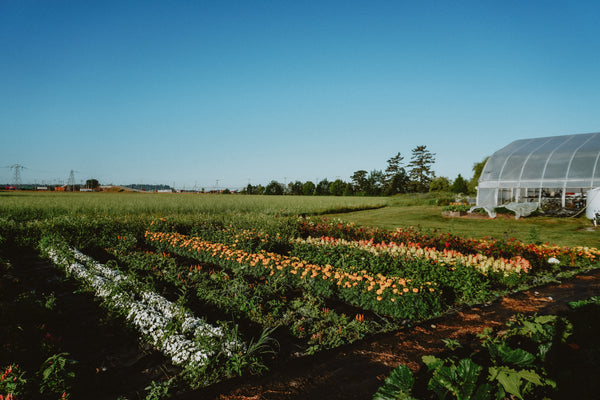
Alternative Lawn Blend forms a low-growing, dense ground cover composed of fine fescues, flowers, and clover species, providing a colourful and less demanding alternative to traditional grass lawns. Read More
Alternative Lawn Blend has a rating of 4.6 stars based on 23 reviews.
Click here for more options
Attracts Pollinators
Shipping & Returns

West Coast Seeds ships anywhere in North America. However, we are not able to ship garlic, potatoes, asparagus crowns, bulbs, onion sets, Mason bee cocoons, or nematodes outside of Canada. We regret, we cannot accept returns or damages for orders outside of Canada. The minimum shipping charge to the US is $9.99.

Seeds of Growth

For every order online, we donate a pack of seeds to gardens and communities worldwide through our Seeds of Growth program, supporting sustainable growth and local food systems.

Alternative Lawn Wildflower blend

Product Details

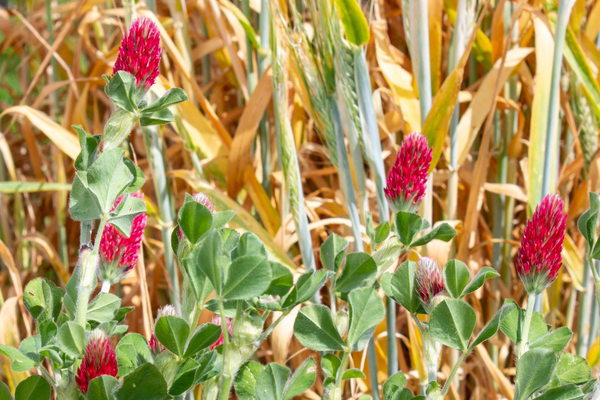
Alternative Lawn Blend forms a low-growing, dense ground cover composed of fine fescues, flowers, and clover species, providing a colourful and less demanding alternative to traditional grass lawns. This incredibly beautiful blend contains multiple species that will fill in spaces fairly rapidly and return to bloom from year to year. It stays low growing as a carpet of colour and attracts beneficial insects and butterflies over a very long bloom period. Recommended rate of application: 500g per 1,000 square feet. This is the same mix as our Wildflower Blend but packaged for our Lawn Solutions retail rack.

Blend Ingredients.

Sow Rate: 500g (17 1/2 oz) per 1,000 square feet

Quick Facts:

    • Fescue, wildflowers, and clover
    • Low growing
    • Attracts beneficial insects and butterflies

We'll notify you when this product is back in stock.


Alternative Lawn Blend

We don't share your information with others.

Your notification has been registered.  Click to close!

All About Alternative Lawn Blend

Season & Zone

Season & Zone
Exposure: Full sun to partial shade.

Zone: This blend is hardy to Zone 4.

Timing

Timing
Direct sow during the period two weeks before and up to eight weeks after your last average frost date. Sowing when there is some risk of minor frost may improve germination. Seeds can also be sown in autumn, though some loss may occur due to weather or wildlife. For best results with annual species, sow in early spring.

Starting

Starting
If no plants or weeds are growing in the area, soil conditions may be the issue. This could be due to low fertility, poor drainage, or the need for soil amendments to improve texture. In challenging areas such as beneath cedar trees, few plants, including wildflowers, will thrive.

Growing

Growing

Keep the seeded area evenly moist to support germination and early growth. Control weeds during establishment. Once established, most mixes require little additional watering except during prolonged hot and dry periods. The blend will return for several years but may benefit from re-seeding over time. In late summer, seed heads can be collected and replanted the following spring.


Customer Reviews & Questions