









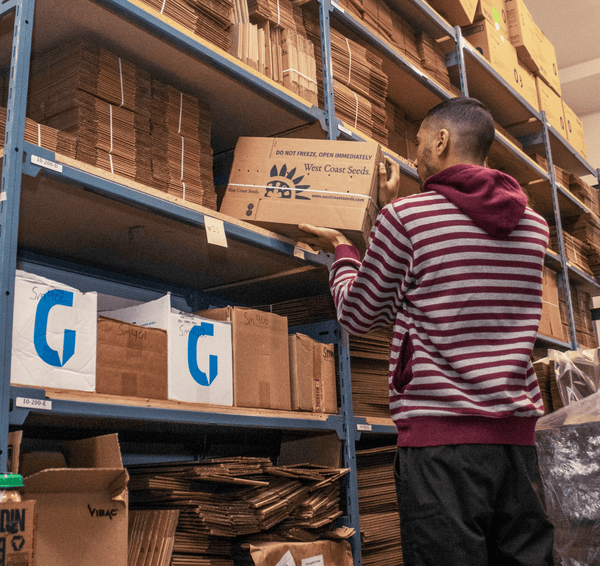






West Coast Seeds ships anywhere in North America. However, we are not able to ship garlic, potatoes, asparagus crowns, bulbs, onion sets, Mason bee cocoons, or nematodes outside of Canada. We regret, we cannot accept returns or damages for orders outside of Canada. The minimum shipping charge to the US is $9.99.

We used Tall Fescue to seed a 1200 sqft new lawn. We wanted to make a natural 'regenerative' lawn which typically does not need fertilizer and has a reduced need for water. We were tired of having to redo our lawn every 5 to 10 years due to compaction and thus weeds, no matter what topsoil we used. We also wanted to move away from having to buy expensive fertilizers and to constantly water.
To create this lawn we excavated the old lawn area down to the hardpan clay, about 15 inches. We trucked in and spread mushroom compost to cover the area 12 inches deep. We let this sit for a couple of months over the winter to finish composting, levelled the area with heavy metal rakes and then rolled the compost layer flat with a heavy lawn roller. We then designed and installed (DIY) a full
subsurface drip irrigation system using Netafim Techline copper drip lines (purchased from Southern Irrigation in Langley, BC.). Using a slinger truck, we topped the irrigation lines the 6 inches of premium topsoil. We seeded the lawn with WC Tall Fescue at the end of April 2025 following typical seeding instructions. The tall fescue had 100% germination rate. We may have over-seeded as some areas were quite thick. The grass grew in lush and green. Later in the summer we had some patches turn brown, likely from fungus, as we inadvertently overwatered as we got used to the new subsurface irrigation. We ended up turning the water off in August and the lawn recovered without treatment. In the fall we cut the lawn short and dethatched the spots that had died due to fungus. We overseeded the patches this year in April. The lawn is now good as new and we learned our lesson. The lawn needs very little water being that it is sitting on compost which gets saturated over the winter.
The WC Tall Fescue is a very lush green looking grass. It's best if you let it grow longer than other grasses. It looks better this way but it also allows the roots to grow deeper. Cut it regularly on the highest lawnmower setting so that the clippings are short and fine. Leave the clippings on the lawn as mulch... then there is no need for fertilizer. No need to bag it unless you let it get too long.
If we ever need to fertilize the lawn we will spray with compost tea and humic/fulvic acid and add a top dressing of fine compost (soil amendment) in the spring. The lawn is now a year old and is dense and has no weeds.
We are very happy with our new West Coast Tall Fescue lawn. We get many compliments!!
TIP ON PREPARING AND APPLYING GRASS SEED:
If you want to save at least 10 days of having to frequently water a newly seeded lawn, then try this. Fill a wheelbarrow with screened soil amendment (finally ground compost). You have to screen it as it comes lumpy. This also allows you to remove any sticks.
Mix in 4 pounds of TF lawn seed for a new lawn OR mix in 2 pounds of TF lawn seed for overseeding a lawn. This will do approximately 500 ft.². The compost is usually slightly damp but, if not, add a very small amount of water, just enough to dampen it. Mix it well and cover it with a tarp and put it in a shady location. After about 5 days, gently mix the soil mixture as the seed tends to sprout first at the bottom. Check the wheelbarrow between 7 and 10 days. It should be sprouted by approximately 10 days. You want to apply it to the lawn as soon as it sprouts; don't delay. If the grass starts to grow longer it may not all survive. We found it fairly easy to spread onto the lawn by hand. You do not need to top with any soil as it is already mixed with soil. After application be sure to roll the lawn to ensure contact with the ground. Keep the new seed damp by watering gently and lightly 2 to 3 times a day until it is about 2 - 3 inches long.
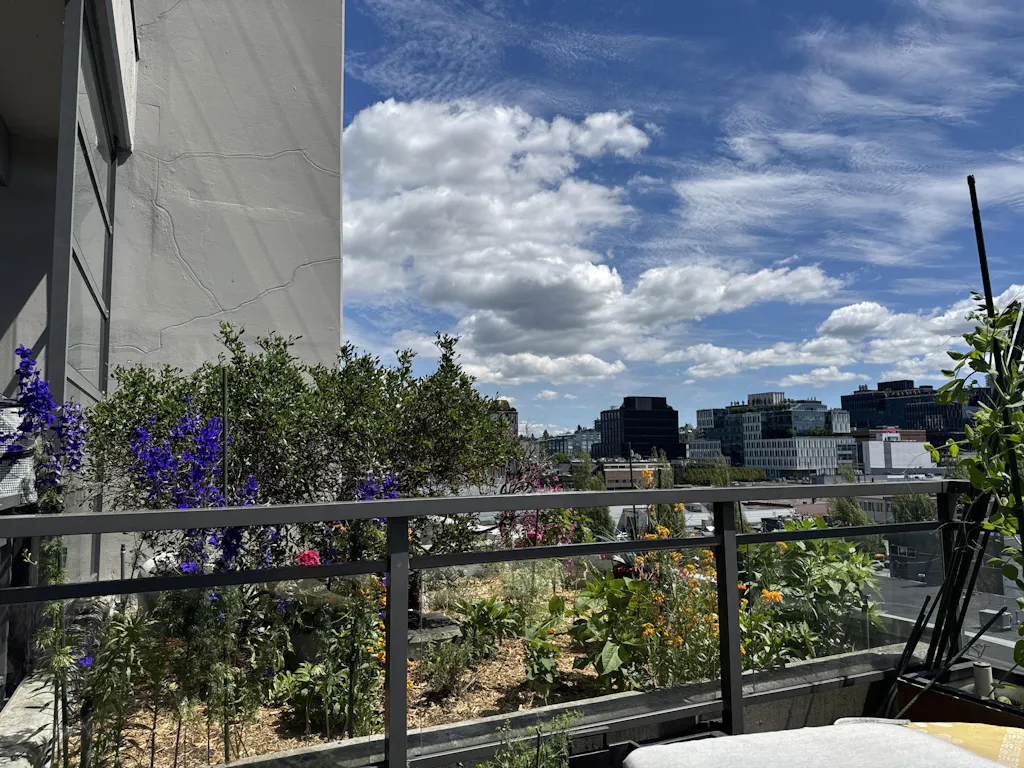
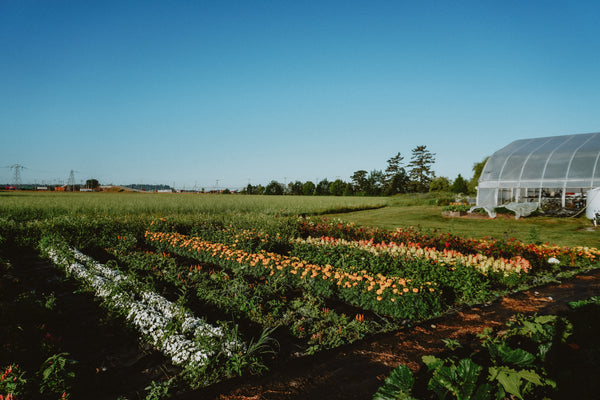
We made a mistake by tossing way too many wildflower seeds randomly into this garden area with sandy soil that we had. They grew quite leggy and flopped over. Also there was a lot of alyssum which grows like a weed between the roots of other flowers and I had to pull that out and put mulch around the other flowers.