







West Coast Seeds ships anywhere in North America. However, we are not able to ship garlic, potatoes, asparagus crowns, bulbs, onion sets, Mason bee cocoons, or nematodes outside of Canada.
Matures in 70 days
Average Seeds Per Gram 250 ?
West Coast Seeds ships anywhere in North America. However, we are not able to ship garlic, potatoes, asparagus crowns, bulbs, onion sets, Mason bee cocoons, or nematodes outside of Canada.
For every order online, we donate a pack of seeds to gardens and communities worldwide through our Seeds of Growth program, supporting sustainable growth and local food systems.
We'll notify you when this product is back in stock.
West Coast Seeds is a family-owned company that embraces an organic lifestyle. A group of imagination catalysts and passionate educators, dedicated to producing products and services that better the environment. As part of our mission to repair the earth, we aim to inspire and empower people to take responsibility for the state of the planet. For us, organic is about much more than saying no to chemicals, it is about saying yes to building a healthy soil for the future.
For over 35 years, we have upheld our strong reputation as a leading seed supplier, seeking out the highest quality untreated seeds for organic growing and putting them through rigorous independent testing. We built our company on the exchange of generational wisdom in a masterclass community of newbies and masters alike. Our world may have changed, but our commitment to our people, our customers, and our planet has not.
We’re a values-based business that has blossomed into a lifestyle ethos, with products that support seeders, feeders, keepers, and the tiniest of creepers. Our mission? To mobilize the next generation of gardeners with products that nourish soil and grow vigorous, sustainable gardens. We believe all plants should be grown without the use of chemicals, and that the seeds we supply are an important component of regenerative gardening.
We don’t just offer seeds, we offer experience, insight, and understanding. From timeless garden wisdom to new tech know-how, this is learning on the job: knowledge gleaned not from the pages of a book but from burying our fingers in the soil. We test, experiment, observe and adapt, never happier than when we get to share what we’ve learned with others.
Gardens don’t just grow seeds. They grow minds and imaginations, people and communities. Our vision encompasses both the micro and the macro. We eat locally, protect pollinators, teach people to grow from seed, and support regional biodiversity. We think big but act small and deliver unexpected impact — always with community and purpose.
At West Coast Seeds we believe in the power of small and that little can be large. Like the tiniest seed germinates to evoke incremental change with massive potential, so to can our community of gardeners and growers together. Gardeners are the earth’s stewards, planting seeds of creative declaration. The soil provides the canvas, we provide the seeds.
Sow indoors in the four weeks following the last frost date. Use bottom heat, and keep seedlings warm. Optimal soil temperature: 24-32°C (75-90°F). Seeds should sprout in 7-12 days.
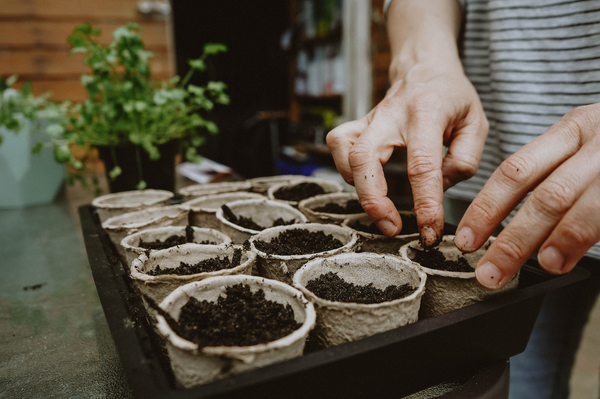
Sow seeds 5mm-1cm (¼-½”) deep. Use individual peat or coir pots to reduce root disturbance when transplanting. Transplant after night time temperatures are steadily 10°C (50°F) or warmer. Space with 45-60cm (18-24″) between plants. Medium size (3-5 gallon) containers for individual plants also work well.
Ideal pH: 5.5-6.0.
Soil should have abundant phosphorus and calcium, so add lime and compost to the soil three weeks prior to transplanting. Mix ¼-½ cup of complete organic fertilizer into the soil beneath each transplant. Using a clear plastic cloche or floating row cover helps growth by increasing heat. Cool temperatures increase leafy growth, but delay fruit set. Once most eggplants get going in the summer, they are highly productive right up until the first frosts.
Days to Maturity: From transplant date.
In optimal conditions at least 65% of the seeds will germinate. Usual seed life: 3 years.
Pinch off blossoms 2 to 4 weeks before first expected frost so that plants focus on ripening any existing fruit, not producing new ones. Harvest the fruit anytime after the fruit reaches half of their size. Harvesting early prevents fruit from becoming too seedy, and will encourage more production from the plants.
Do not pull the fruit off the plant, but cut it with scissors or secateurs, being careful to avoid any sharp spurs at the stem end.
Flea beetles – Control weeds. Use row covers to help protect plants from early damage. Put in place at planting and remove before temperatures get too hot or plants start to flower.
Colorado potato beetles – Handpick beetles, larvae and eggs.
Cutworms – Use cardboard collars around transplants it cutworms are a problem.