




West Coast Seeds ships anywhere in North America. However, we are not able to ship garlic, potatoes, asparagus crowns, bulbs, onion sets, Mason bee cocoons, or nematodes outside of Canada.
Fabulous, large, hot-pink flowers are followed by large, deep red, full flavoured fruits on this compact, bushy, ever-bearing variety. Hot Pink... Read More
West Coast Seeds ships anywhere in North America. However, we are not able to ship garlic, potatoes, asparagus crowns, bulbs, onion sets, Mason bee cocoons, or nematodes outside of Canada.
For every order online, we donate a pack of seeds to gardens and communities worldwide through our Seeds of Growth program, supporting sustainable growth and local food systems.
Fabulous, large, hot-pink flowers are followed by large, deep red, full flavoured fruits on this compact, bushy, ever-bearing variety. Hot Pink Berri Basket strawberry seeds need an early start indoors, if you want fruits in the first year. Otherwise, treat it as a perennial, and sow at any time, expecting strawberries from the second year forward. This variety will produce until frost if it's kept picked, and it's hardy down to Zone 5. Well-suited to container growing, the plants look amazing in baskets, window boxes and flower pots.
We'll notify you when this product is back in stock.
Latin
Latin
Fragaria vesca
Numerous hybrids exist listed as F. x ananassa
Family: Rosaceae
Difficulty
Difficulty
Moderately easy
Season & Zone
Season & Zone
Exposure: Full sun
Zone: Most strawberries are hardy to Zone 5
Timing
Timing
Strawberry seeds benefit from vernalization, which is the simulation of winter in order to break dormancy. Start any time in early to late winter. After that time, they will still work, but they may not produce berries during the first season.
Starting
Starting
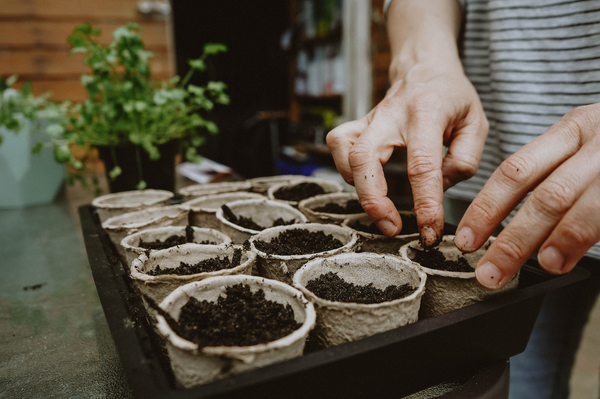
Seal strawberry seed packets in a plastic bag or airtight container and place in the refrigerator for 3-4 weeks. Remove the bag or container from the refrigerator and allow the seeds to reach room temperature over a day or two before breaking the seal. Opening the package too quickly may result in water condensing on the cold seeds, and this will reduce your chances of success. Then, sow the seeds on the surface of pre-moistened, seed starting mix in trays or small containers. Keep the seeded trays under bright fluorescent lights at a constant temperature of 18-24°C (65-75°F). Ensure the seed starting mix stays moist. Germination may take anywhere from 7 to 42 days. Once seeds germinate, increase ventilation to prevent damping off.
Growing
Growing
When seedlings have their third true leaf, they can be transplanted into their own pots. Be sure to harden the seedlings off gradually before transplanting outside. Space transplants 60cm (24”) apart in rows 90-120cm (36-48”) apart. Grow strawberries in a well-drained, sandy loam that has been generously dug with organic matter such as finished compost or well-rotted manure. Dig 60mL (1/4 cup) complete organic fertilizer into the soil beneath each transplant. Keep soil moist, but not soggy. A mulch of straw around plants may help prevent the soil from drying out.
Companion Planting
Companion Planting
These little plants respond strongly to nearby plants. Couple them with beans, borage, garlic, lettuce, onions, peas, spinach, and thyme. Avoid Brassicas and fennel.
More on Companion Planting.
West Coast Seeds is a family-owned company that embraces an organic lifestyle. A group of imagination catalysts and passionate educators, dedicated to producing products and services that better the environment. As part of our mission to repair the earth, we aim to inspire and empower people to take responsibility for the state of the planet. For us, organic is about much more than saying no to chemicals, it is about saying yes to building a healthy soil for the future.
For over 35 years, we have upheld our strong reputation as a leading seed supplier, seeking out the highest quality untreated seeds for organic growing and putting them through rigorous independent testing. We built our company on the exchange of generational wisdom in a masterclass community of newbies and masters alike. Our world may have changed, but our commitment to our people, our customers, and our planet has not.
We’re a values-based business that has blossomed into a lifestyle ethos, with products that support seeders, feeders, keepers, and the tiniest of creepers. Our mission? To mobilize the next generation of gardeners with products that nourish soil and grow vigorous, sustainable gardens. We believe all plants should be grown without the use of chemicals, and that the seeds we supply are an important component of regenerative gardening.
We don’t just offer seeds, we offer experience, insight, and understanding. From timeless garden wisdom to new tech know-how, this is learning on the job: knowledge gleaned not from the pages of a book but from burying our fingers in the soil. We test, experiment, observe and adapt, never happier than when we get to share what we’ve learned with others.
Gardens don’t just grow seeds. They grow minds and imaginations, people and communities. Our vision encompasses both the micro and the macro. We eat locally, protect pollinators, teach people to grow from seed, and support regional biodiversity. We think big but act small and deliver unexpected impact — always with community and purpose.
At West Coast Seeds we believe in the power of small and that little can be large. Like the tiniest seed germinates to evoke incremental change with massive potential, so to can our community of gardeners and growers together. Gardeners are the earth’s stewards, planting seeds of creative declaration. The soil provides the canvas, we provide the seeds.
Sow indoors in the winter. An earlier start may result in berries the first year. Start any time between December and the beginning of February. After that time, they will still produce plants, but berries may not be produced during the first season. Transplant out at least 3 weeks after last frost. Strawberry seeds will germinate at any time of the year if some simple steps are taken.
Germination is the trickiest aspect to growing strawberries. Be patient, and try the tricks below.
Tuck strawberry seed packet inside a sealed plastic bag or airtight container and place in the refrigerator freezer (not deep freeze) for 3-4 weeks. After removing the bag or container, do not break the seal until it (and its living contents) have reached room temperature. This may take several hours. Err on the side of caution. Opening the package too quickly may result in water condensing on the cold seeds, and this will reduce your chances of success.
Once the sealed package has “thawed” to room temperature, the seeds are ready to plant. Sow the seeds on the surface of pre-moistened, sterilized seed starting mix in trays or small containers. Place these on a piece of felt or other thick cloth that has its end sitting in water. The idea is to wick up water from below so that the seedling medium stays constantly and evenly damp until germination.
An alternative method is to sow strawberry seeds on the surface of moistened soil in a germination tray (or in small pots). Tuck the tray or pots inside a sealed plastic bag, and store in the refrigerator for 3-4 weeks.
Move the seeded trays under bright fluorescent lights at a constant temperature of 18-24°C (65-75°F). Seedling heat mats work very well. Germination may take anywhere from 7 days to 6 weeks: Be patient. Once germination occurs, increase ventilation around the plants to prevent damping off.
Once the seedlings develop their third true leaf, they can be gently transplanted into their own pots. Be sure to harden strawberry seedlings off carefully and gradually before transplanting outside.
Space transplants 60cm (24″) apart in rows 90-120cm (36-48″) apart. Ever-bearing varieties (such as ours) tend to produce fewer runners, and may produce more fruit if the runners are removed. In the first year of growth, it may be preferable to encourage runners, and let them fill in the spaces between transplants with new offspring plants.
Grow strawberries in a well-drained, sandy loam that has been generously dug with organic matter such as finished compost or well-rotted manure. Dig ¼ cup complete organic fertilizer into the soil beneath each transplant. Keep soil moist, but not soggy. A mulch of straw around plants may help prevent the soil from drying out.