



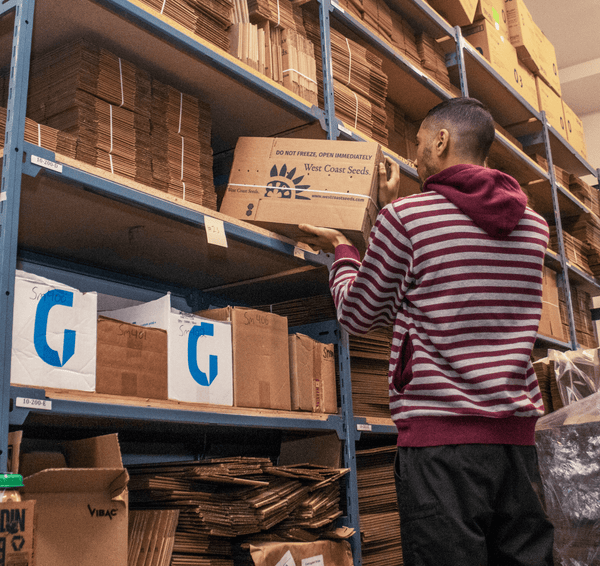
West Coast Seeds ships anywhere in North America. However, we are not able to ship garlic, potatoes, asparagus crowns, bulbs, onion sets, Mason bee cocoons, or nematodes outside of Canada.
For every order online, we donate a pack of seeds to gardens and communities worldwide through our Seeds of Growth program, supporting sustainable growth and local food systems.
Finally, a productive Lima bean for our northern growing season! Big clusters of 9-10cm (3.5-4") pods develop near the tops of the plants, each containing 3-4 beautiful, plump baby Lima beans, also known as butter beans. Early Thorogreen beans are dwarf plants that grow to only 50cm (20") tall, so do not require staking. Enjoy these fresh from the garden and field or dry them for winter use.
Lima beans are very high in fibre and protein but contain hardly a trace of fat. Their high magnesium content relaxes veins and arteries in the body, improving blood oxygen levels and the circulation of nutrients. Another fantastic superfood to grow!
We'll notify you when this product is back in stock.
Latin
Latin
Phaseolus vulgaris
Family: Fabaceae
Difficulty
Difficulty
Easy
Season & Zone
Season & Zone
Season: Warm season.
Exposure: Full-sun.
Timing
Timing
Sow as early as possible for dry beans, in late spring, once the soil warms up a bit so plants can mature before wet weather sets in. Optimal soil temperature: 21-32°C (70-90°F).
Starting
Starting
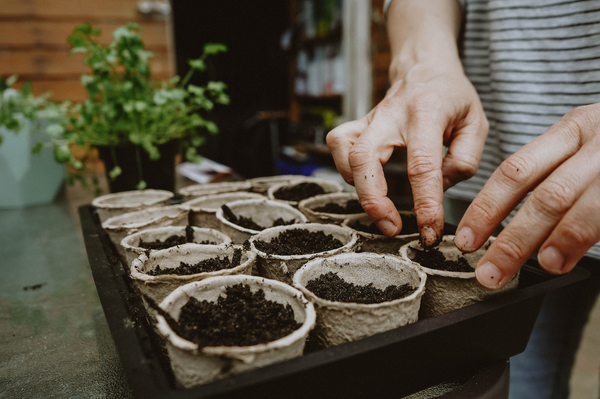
Sow seeds 2-5cm (1-2″) deep, 5-8cm (2-3″) apart, in rows 45-60cm (18-24″) apart. Thin to at least 15cm (6″) apart in each row. If the weather is too wet, beans can also be started in pots indoors and set out carefully a few weeks later. Seeds will sprout in 8-16 days, depending on conditions.
Growing
Growing
Ideal pH: 6.0-6.5. Well drained, warm soil in full sun is best. Raised beds help with both drainage and warmth. Use 1 cup of complete organic fertilizer for every 3m (10′) of row. Too much nitrogen in fertilizer or manure may cause poor pod set and delayed maturity. If beans flower but do not set pods, the cause can be zinc deficiency. Try spraying the plants with kelp based fertilizer. Wet leaves on crowded plants are subject to diseases. Thin plants to increase air circulation and avoid touching the leaves while they are wet.
Harvest
Harvest
Stop all watering when the first pods start drying out. Harvest when the seedpods are straw coloured. Pull the plants up by the roots and hang to dry. To shell the beans bash them back and forth inside a bag or pillowcase. Or shell them individually by hand. Do not pick until pods are dry. The beans themselves can then be set somewhere out of direct sunlight, where air movement is good, for a further week to insure even dryness.
Diseases & Pests
Diseases & Pests
Cutworms and root maggots can attack seeds and seedlings. Allowing for good air circulation between plants, and taking care not to over fertilize can slow foliar disease, both fungal and bacterial. When thinning your seedlings try to keep enough space in between for air circulation to reduce disease incidence.
Companion Planting
West Coast Seeds is a family-owned company that embraces an organic lifestyle. A group of imagination catalysts and passionate educators, dedicated to producing products and services that better the environment. As part of our mission to repair the earth, we aim to inspire and empower people to take responsibility for the state of the planet. For us, organic is about much more than saying no to chemicals, it is about saying yes to building a healthy soil for the future.
For over 35 years, we have upheld our strong reputation as a leading seed supplier, seeking out the highest quality untreated seeds for organic growing and putting them through rigorous independent testing. We built our company on the exchange of generational wisdom in a masterclass community of newbies and masters alike. Our world may have changed, but our commitment to our people, our customers, and our planet has not.
We’re a values-based business that has blossomed into a lifestyle ethos, with products that support seeders, feeders, keepers, and the tiniest of creepers. Our mission? To mobilize the next generation of gardeners with products that nourish soil and grow vigorous, sustainable gardens. We believe all plants should be grown without the use of chemicals, and that the seeds we supply are an important component of regenerative gardening.
We don’t just offer seeds, we offer experience, insight, and understanding. From timeless garden wisdom to new tech know-how, this is learning on the job: knowledge gleaned not from the pages of a book but from burying our fingers in the soil. We test, experiment, observe and adapt, never happier than when we get to share what we’ve learned with others.
Gardens don’t just grow seeds. They grow minds and imaginations, people and communities. Our vision encompasses both the micro and the macro. We eat locally, protect pollinators, teach people to grow from seed, and support regional biodiversity. We think big but act small and deliver unexpected impact — always with community and purpose.
At West Coast Seeds we believe in the power of small and that little can be large. Like the tiniest seed germinates to evoke incremental change with massive potential, so to can our community of gardeners and growers together. Gardeners are the earth’s stewards, planting seeds of creative declaration. The soil provides the canvas, we provide the seeds.
Sow as early as possible for dry beans, in late spring, once the soil warms up a bit so plants can mature before wet weather sets in. Optimal soil temperature: 21-32°C (70-90°F).
Sow seeds 2-5cm (1-2″) deep, 5-8cm (2-3″) apart, in rows 45-60cm (18-24″) apart. Thin to at least 15cm (6″) apart in each row. If the weather is too wet, beans can also be started in pots indoors and set out carefully a few weeks later. Seeds will sprout in 8-16 days, depending on conditions.
Ideal pH: 6.0-6.5
Well drained, warm soil in full sun is best. Use 1 cup of balanced organic fertilizer for every 3m (10′) of row. Raised beds help with both drainage and warmth. Too much nitrogen in fertilizer or manure may cause poor pod set and delayed maturity. If beans flower but do not set pods, the cause can be zinc deficiency. Try spraying the plants with kelp based fertilizer.
Days to maturity: From direct sowing.
In optimal conditions at least 75% of seeds should germinate.
Stop all watering when the first pods start drying out. Harvest when the seedpods are straw coloured. Pull the plants up by the roots and hang to dry. To shell the beans, bash them back and forth inside a bag or pillowcase, or shell them individually by hand. Do not pick until pods are dry. The beans themselves can then be set somewhere out of direct sunlight, where air movement is good, for a further week to ensure even dryness.