









West Coast Seeds ships anywhere in North America. However, we are not able to ship garlic, potatoes, asparagus crowns, bulbs, onion sets, Mason bee cocoons, or nematodes outside of Canada.




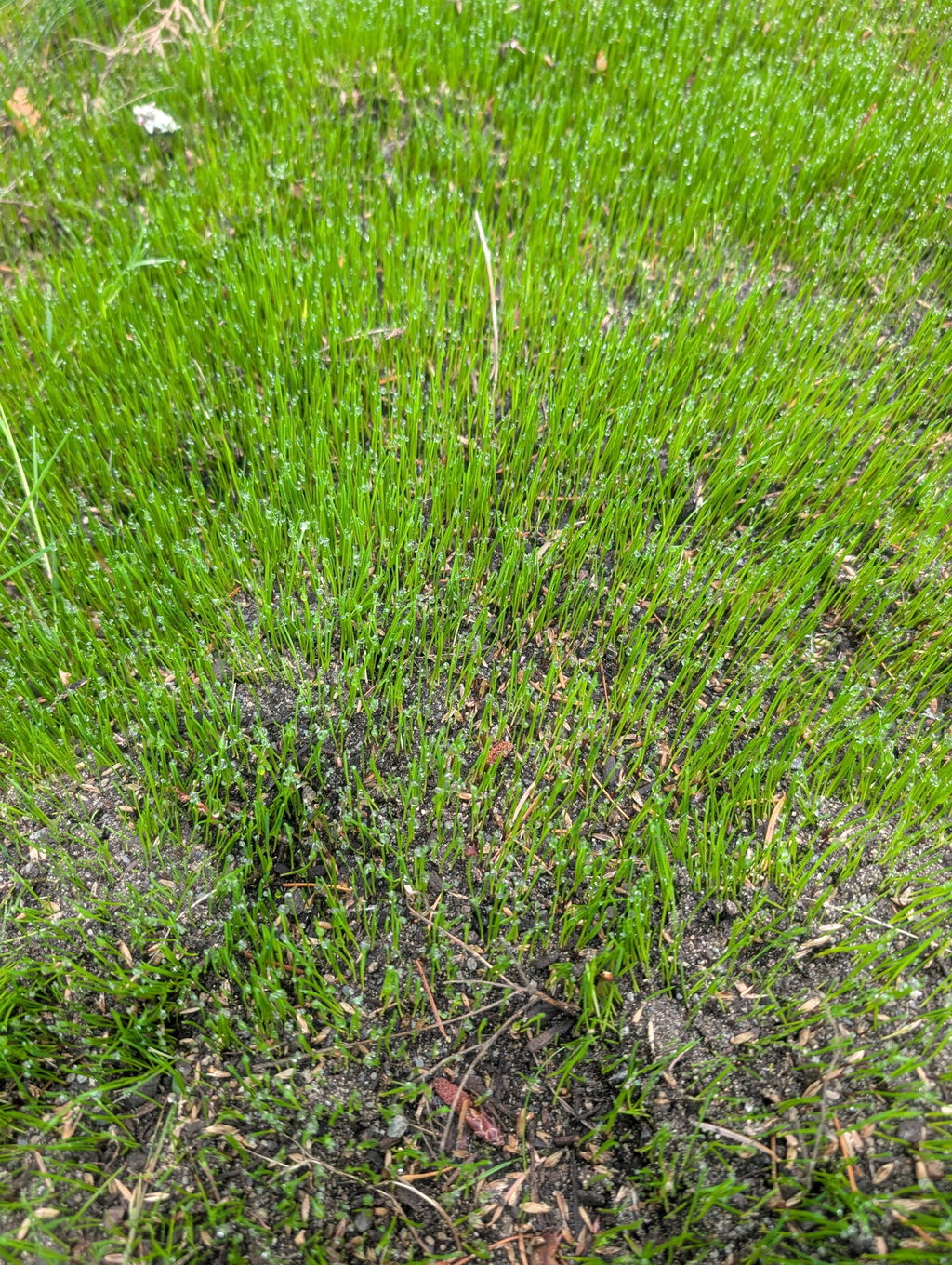
Excellent germination rates and uniformity.


West Coast Seeds ships anywhere in North America. However, we are not able to ship garlic, potatoes, asparagus crowns, bulbs, onion sets, Mason bee cocoons, or nematodes outside of Canada.
For every order online, we donate a pack of seeds to gardens and communities worldwide through our Seeds of Growth program, supporting sustainable growth and local food systems.
Redbor kale seeds produce tall plants with the darkest red colour of all kales. After frost the leaves turn even darker and sweeter at the same time. Hybrid vigour means fast, uniform growth and consistent results every time. The splendid red leaves make excellent garnishes - they even look good in flower arrangements. Add finely chopped kale leaves to salads, or use the whole leaves cooked or in smoothies for a delicious blast of nutrients. A single serving of red kale contains 150mg of calcium, and that's 15% of the recommended daily dosage. Winner of the RHS Award of Garden Merit.
These seeds may be coated with an inert, organically certified layer which helps to minimize clumping in storage and seed sowing machines. The coating is approved by organic certifiers in Canada, the US, EU, and Japan.
Matures in 50 days. (Hybrid seeds)
We'll notify you when this product is back in stock.
Latin
Latin
Brassica oleracea var. acephala
Family: Brassicaceae
Difficulty
Difficulty
Easy
Season & Zone
Season & Zone
Season: Cool season
Exposure: Full sun
Zone: Winter hardy to Zone 6.
Timing
Timing
Direct sow in early spring to mid-summer for summer to winter harvests. Or start indoors 4-6 weeks before the last frost, and transplant out as soon as the soil warms up. Optimal soil temperature: 10-30°C (50-85°F). Seeds should germinate in 7-10 days.
Starting
Starting
Sow 3-4 seeds 5mm (¼”) deep in each spot you where a plant is to grow. Thin to the strongest plant. Space 45-60cm (18-24″) apart in rows 75-90cm (30-36″) apart.
Growing
Growing
Ideal pH: 6.0-6.8. Add lime to the bed 3 weeks prior to sowing. Kale likes well-drained, fertile soil high in organic matter. This plant prefers plentiful, consistent moisture. Drought is tolerable, but quality and flavor of leaves can suffer. Mix ¼ cup of complete organic fertilizer into the soil beneath each transplant, or use 1 cup beneath every 3m (10′) of seed furrow.
Harvest
Harvest
Kale and collards can both be grown as a cut and come again crop for salad mixes by direct-seeding and cutting baby leaves. They will re-grow if you pick leaves from the bottom up, as you need them. Continue harvesting lower leaves as they mature—plants will keep producing all season. Kale can overwinter in many areas. In fact, the leaves get sweeter after frost, though growth will slow. In spring, the surviving plants start to flower, so eat the delicious flowering steps and buds.
Diseases & Pests
Diseases & Pests
Protect from cabbage moths and other insect pests with floating row cover. Prevent disease with a strict 4-year crop rotation, avoiding planting Brassicas in the same spot more than once every four years.
West Coast Seeds is a family-owned company that embraces an organic lifestyle. A group of imagination catalysts and passionate educators, dedicated to producing products and services that better the environment. As part of our mission to repair the earth, we aim to inspire and empower people to take responsibility for the state of the planet. For us, organic is about much more than saying no to chemicals, it is about saying yes to building a healthy soil for the future.
For over 35 years, we have upheld our strong reputation as a leading seed supplier, seeking out the highest quality untreated seeds for organic growing and putting them through rigorous independent testing. We built our company on the exchange of generational wisdom in a masterclass community of newbies and masters alike. Our world may have changed, but our commitment to our people, our customers, and our planet has not.
We’re a values-based business that has blossomed into a lifestyle ethos, with products that support seeders, feeders, keepers, and the tiniest of creepers. Our mission? To mobilize the next generation of gardeners with products that nourish soil and grow vigorous, sustainable gardens. We believe all plants should be grown without the use of chemicals, and that the seeds we supply are an important component of regenerative gardening.
We don’t just offer seeds, we offer experience, insight, and understanding. From timeless garden wisdom to new tech know-how, this is learning on the job: knowledge gleaned not from the pages of a book but from burying our fingers in the soil. We test, experiment, observe and adapt, never happier than when we get to share what we’ve learned with others.
Gardens don’t just grow seeds. They grow minds and imaginations, people and communities. Our vision encompasses both the micro and the macro. We eat locally, protect pollinators, teach people to grow from seed, and support regional biodiversity. We think big but act small and deliver unexpected impact — always with community and purpose.
At West Coast Seeds we believe in the power of small and that little can be large. Like the tiniest seed germinates to evoke incremental change with massive potential, so to can our community of gardeners and growers together. Gardeners are the earth’s stewards, planting seeds of creative declaration. The soil provides the canvas, we provide the seeds.
Direct sow in early spring to mid-summer for summer to winter harvests. Or start indoors 4-6 weeks before the last frost, and transplant out as soon as the soil warms up. Optimal soil temperature: 10-30°C (50-85°F). Seeds should germinate in 7-10 days.
Sow 3-4 seeds 5mm (¼”) deep in each spot you where a plant is to grow. Thin to the strongest plant. Space 45-60cm (18-24″) apart in rows 75-90cm (30-36″) apart.
Ideal pH: 6.0-6.8.
Add lime to the bed 3 weeks prior to sowing. Kale likes well-drained, fertile soil high in organic matter. This plant prefers plentiful, consistent moisture. Drought is tolerable, but quality and flavor of leaves can suffer. Mix ¼ cup of complete organic fertilizer into the soil beneath each transplant, or use 1 cup beneath every 3m (10′) of seed furrow.
Days to maturity: From transplant date.
In optimum conditions, at least 80% of seeds will germinate.
Kale and collards can both be grown as a cut and come again crop for salad mixes by direct-seeding and cutting when plants are 5-8cm (2-3″) tall. They will re-grow. Or pick leaves from the bottom up on mature plants as you need them. In spring, the surviving plants start to flower, so eat the delicious flowering steps and buds.