









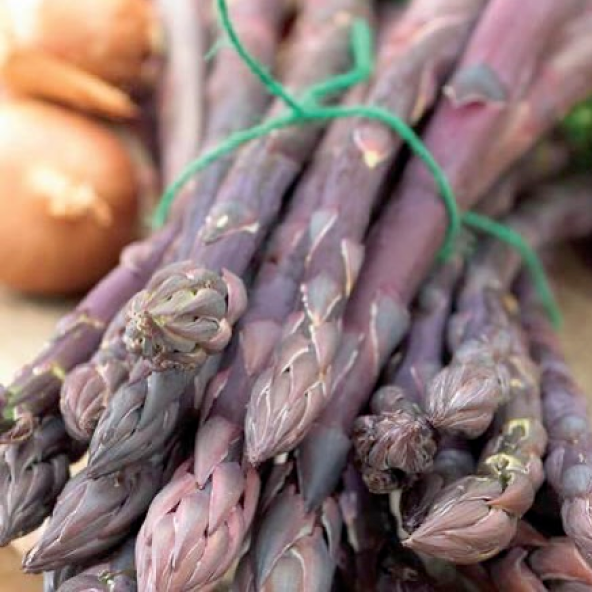




West Coast Seeds ships anywhere in North America. However, we are not able to ship garlic, potatoes, asparagus crowns, bulbs, onion sets, Mason bee cocoons, or nematodes outside of Canada.










Excellent germination rates and uniformity.



Exposure Full sun to partial shade
Matures in 55-70 days
Season Cool season
Seed type OP ?
Average Seeds Per Gram 1006 ?
West Coast Seeds ships anywhere in North America. However, we are not able to ship garlic, potatoes, asparagus crowns, bulbs, onion sets, Mason bee cocoons, or nematodes outside of Canada.
For every order online, we donate a pack of seeds to gardens and communities worldwide through our Seeds of Growth program, supporting sustainable growth and local food systems.
This red-spotted, open romaine lettuce is sure to turn some heads. The mid-sized plant is open with glossy, green leaves flecked with maroon; making it a delightful and colourful addition to salad mixes. As the leaves get larger, the markings become even more prominent. The leaves of Freckles lettuce are speckled, not blotchy, so they have quite an elegant look. And the flavour is excellent. Freckles lettuce seeds, also known as Forellenschluss are an heirloom variety of Austrian lineage. Be sure to plant some Freckles lettuce seeds in your organic vegetable garden this spring.
We'll notify you when this product is back in stock.
Latin
Latin
Lactuca sativa
Family: Asteraceae
Difficulty
Difficulty
Easy
Season & Zone
Season & Zone
Season: Cool season
Exposure: Full sun to partial shade
Timing
Timing
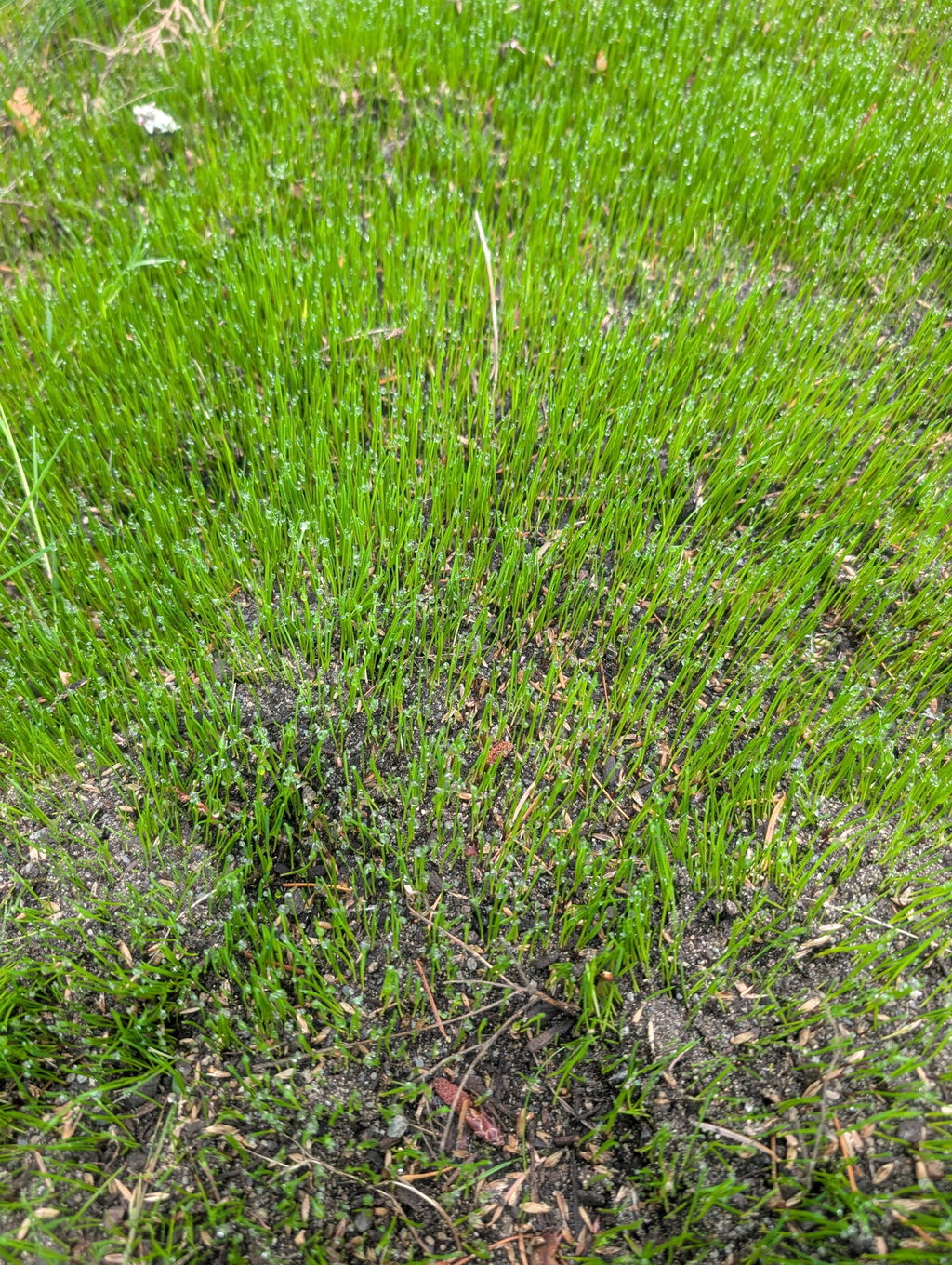
Lettuce grows best in cool weather in the spring and fall, but it can be grown in the summer, and all winter long in milder regions. Sow short rows every 2-3 weeks following the last average frost date for a continual harvest. Using a cloche, cold frame, or greenhouse over mid-late summer plantings can extend the harvest period right into winter. Optimal soil temperature for germination: 10-22°C (50-72°F). Seeds should sprout in 7-15 days, depending on conditions. Lettuce seeds don’t sprout easily when the soil temperature is over 22°C (72°F) in summer. Get around this by sprouting them indoors in a cool area, or pre-sprout by sprinkling seeds on a damp paper towel and placing it in a plastic bag in the fridge for a few days. In hot weather most lettuce goes to seed rapidly, so have new plantings ready to go, and watch for "good resistance to bolting" in the product description.
Starting
Starting
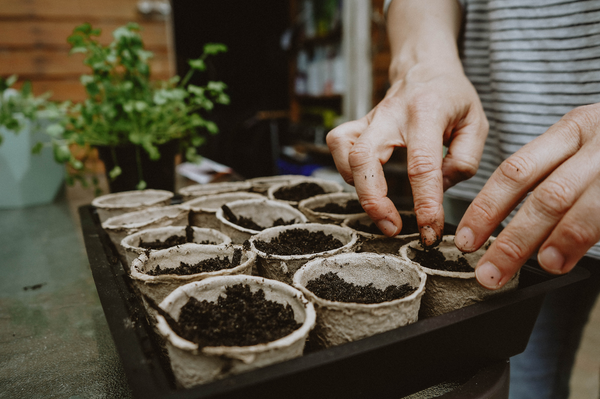
Direct sow or start indoors and transplant. Sow seeds 5mm (¼”) deep, or on the surface of the soil where the soil can be kept evenly moist.. Space or thin heading lettuce to 30cm (12″) apart. Space or thin looseleaf varieties to 20-25cm (8-10″) apart. Space rows for all types 45-90cm (18-36″) apart. Babyleaf lettuce can be planted quite densely, as it is harvested at an immature size. Sowing babyleaf lettuce seeds closely together in narrow rows makes harvesting simpler.
Note on Pelleted Seeds
Note on Pelleted Seeds: A number of our lettuce seeds are pelleted for machine planting. The white clay ball that covers each seed makes them easier to handle and easier to see when planted. While most lettuce seeds need to be barely covered (or sown on the surface of the soil), pelleted seeds need to be buried by about 1cm (1/2″). Please keep your newly sown pelleted seeds evenly moist – use more water than with conventional seeds. If the soil is allowed to dry out, the clay pelleting material can wick water away from the seed, causing uneven or lower germination.
Days to Maturity
Days to Maturity: From direct sowing. Most varieties will be ready for harvesting as baby leaves in half the days shown on the packet.
Growing
Growing
Ideal pH: 6.0-6.5. Aim for a soil with ample drainage and lots of organic matter. Add compost and lime at least 3 weeks prior to planting. One cup of balanced organic fertilizer per 3m (10′) of row will give adequate nutrition. Seedlings should be hardened off by reducing water and putting the plants outdoors 2 or 3 days before transplanting. This will help to prevent transplant shock and premature bolting. Regular watering is essential to prevent leaves from developing a bitter taste.
Harvest
Harvest
Pick individual leaves or wait and harvest full heads. Mature summer lettuce stays in prime eating condition only a short time, so harvest promptly and keep planting. In fall and winter the plants stay in good harvest condition longer.
Seed Info
Seed Info
In optimal growing conditions at least 70% of seeds will germinate. Usual seed life: 3 years. Per 100′ row: 240 seeds head lettuce/1.2M seeds leaf type, per acre: 58M seeds head lettuce/348M leaf type.
Diseases & Pests
Diseases & Pests
Crop rotation is important for disease prevention. Tip burn (tips of leaves turning brown) is caused by a calcium deficiency. If you have limed, tip burn can be caused by nutrient imbalances or lack of moisture. Slugs are a problem in early and late plantings, so clean up their hiding places, and only water in the morning.
Companion Planting
Companion Planting
Lettuce plants make good companions for beets, Brassicas, carrot, celery, chervil, cucumbers, dill, garlic, onions, radish, spinach, squash, and strawberries.
More on Companion Planting.
West Coast Seeds is a family-owned company that embraces an organic lifestyle. A group of imagination catalysts and passionate educators, dedicated to producing products and services that better the environment. As part of our mission to repair the earth, we aim to inspire and empower people to take responsibility for the state of the planet. For us, organic is about much more than saying no to chemicals, it is about saying yes to building a healthy soil for the future.
For over 35 years, we have upheld our strong reputation as a leading seed supplier, seeking out the highest quality untreated seeds for organic growing and putting them through rigorous independent testing. We built our company on the exchange of generational wisdom in a masterclass community of newbies and masters alike. Our world may have changed, but our commitment to our people, our customers, and our planet has not.
We’re a values-based business that has blossomed into a lifestyle ethos, with products that support seeders, feeders, keepers, and the tiniest of creepers. Our mission? To mobilize the next generation of gardeners with products that nourish soil and grow vigorous, sustainable gardens. We believe all plants should be grown without the use of chemicals, and that the seeds we supply are an important component of regenerative gardening.
We don’t just offer seeds, we offer experience, insight, and understanding. From timeless garden wisdom to new tech know-how, this is learning on the job: knowledge gleaned not from the pages of a book but from burying our fingers in the soil. We test, experiment, observe and adapt, never happier than when we get to share what we’ve learned with others.
Gardens don’t just grow seeds. They grow minds and imaginations, people and communities. Our vision encompasses both the micro and the macro. We eat locally, protect pollinators, teach people to grow from seed, and support regional biodiversity. We think big but act small and deliver unexpected impact — always with community and purpose.
At West Coast Seeds we believe in the power of small and that little can be large. Like the tiniest seed germinates to evoke incremental change with massive potential, so to can our community of gardeners and growers together. Gardeners are the earth’s stewards, planting seeds of creative declaration. The soil provides the canvas, we provide the seeds.
Lettuce grows best in cool weather in the spring and fall, but it can be grown in the summer, and all winter long in milder regions. Sow short rows every 2-3 weeks following the last average frost date for a continual harvest. Using a cloche, cold frame, or greenhouse over mid-late summer plantings can extend the harvest period right into winter. Optimal soil temperature for germination: 10-22°C (50-72°F). Seeds should sprout in 7-15 days, depending on conditions. Lettuce seeds don’t sprout easily when the soil temperature is over 22°C (72°F) in summer. Get around this by sprouting them indoors in a cool area, or pre-sprout by sprinkling seeds on a damp paper towel and placing it in a plastic bag in the fridge for a few days. In hot weather most lettuce goes to seed rapidly, so have new plantings ready to go, and watch for "good resistance to bolting" in the product description.
Direct sow or start indoors and transplant. Sow seeds 5mm (¼”) deep, or on the surface of the soil where the soil can be kept evenly moist. Space or thin heading lettuce to 30cm (12″) apart. Space or thin looseleaf varieties to 20-25cm (8-10″) apart. Space rows for all types 45-90cm (18-36″) apart. Babyleaf lettuce can be planted quite densely, as it is harvested at an immature size. Sowing babyleaf lettuce seeds closely together in narrow rows makes harvesting simpler.
Note on Pelleted Seeds: A number of our lettuce seeds are pelleted for machine planting. The white clay ball that covers each seed makes them easier to handle and easier to see when planted. While most lettuce seeds need to be barely covered (or sown on the surface of the soil), pelleted seeds need to be buried by about 1cm (1/2″). Please keep your newly sown pelleted seeds evenly moist – use more water than with conventional seeds. If the soil is allowed to dry out, the clay pelleting material can wick water away from the seed, causing uneven or lower germination.
Ideal pH: 6.0-6.5.
Aim for a soil with ample drainage and lots of organic matter. Add compost and lime at least 3 weeks prior to planting. One cup of balanced organic fertilizer per 3m (10′) of row will give adequate nutrition. Seedlings should be hardened off by reducing water and putting the plants outdoors 2 or 3 days before transplanting. This will help to prevent transplant shock and premature bolting. Regular watering is essential to prevent leaves from developing a bitter taste.
Days to maturity: From direct sowing. Most varieties will be ready for harvesting as baby leaves in half the days shown on the packet.
In optimal growing conditions at least 70% of seeds will germinate. Usual seed life: 3 years. Per 100′ row: 240 seeds head lettuce/1.2M seeds leaf type, per acre: 58M seeds head lettuce/348M leaf type.
Pick individual leaves or wait and harvest full heads. Mature summer lettuce stays in prime eating condition only a short time, so harvest promptly and keep planting. In fall and winter the plants stay in good harvest condition longer.