





Ethiopian (Amara)

SKU: KL448
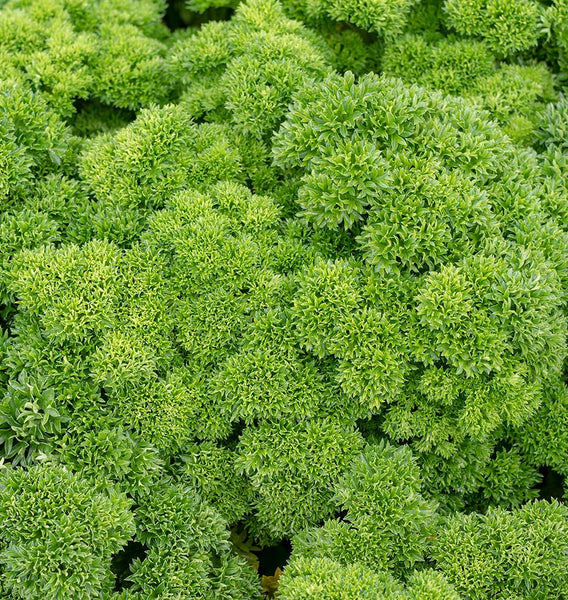
This cousin of kale is vigorous and widely adapted. The tender, medium green leaves have an appealing flavour that is milder than both kale and most mustards. Read More

Exposure Full-sun

Matures in 21-45 days

Season Cool season

Seed type OP ?

Average Seeds Per Gram 259 ?

Ethiopian (Amara) has a rating of 4.9 stars based on 8 reviews.
Click here for more options
Good for Containers
Shipping & Returns

West Coast Seeds ships anywhere in North America. However, we are not able to ship garlic, potatoes, asparagus crowns, bulbs, onion sets, Mason bee cocoons, or nematodes outside of Canada. We regret, we cannot accept returns or damages for orders outside of Canada. The minimum shipping charge to the US is $9.99.

Seeds of Growth

For every order online, we donate a pack of seeds to gardens and communities worldwide through our Seeds of Growth program, supporting sustainable growth and local food systems.

Ethiopian Kale Seeds

Product Details

Brassica carinata.

This cousin of kale is vigorous and widely adapted. The tender, medium green leaves have an appealing flavour that is milder than both kale and most mustards. The plants are cold hardy and drought resistant, making them a great choice for growing spring through fall. Grow Amara for tasty and nutritious baby greens that are delicious in salads mixed with lettuce, spinach, arugula, and other mustards. Full size leaves remain petite and are wonderful briefly blanched or sauteed. Suitable for planting in containers or raised beds.

Quick Facts:

    • Tasty and nutritious
    • Milder than kale or mustard greens
    • Works in containers
    • Matures in 21-45 days
    • Open pollinated seeds

We'll notify you when this product is back in stock.


Ethiopian (Amara)

We don't share your information with others.

Your notification has been registered.  Click to close!

All About Ethiopian (Amara)

Latin

Latin
Brassica juncea & Brassica rapa
Family: Brassicaceae

Difficulty

Difficulty
Easy

Season & Zone

Season & Zone
Season: Cool-season
Exposure: Full sun to partial shade

Timing

Timing
Mustards are cool season plants that grow quickly and then bolt. Direct sow with frost protection as early as late winter or without protection from early to late spring. Sowing short rows every 3 weeks allows for a continuous harvest of both baby leaves and full sized plants. Sow again in late summer for late fall and winter harvests. Optimal soil temperature: 21°C (70°F). Seeds should sprout in 5-10 days.

Starting

Starting
If growing to full size, sow 3-4 seeds in each spot you want a plant to grow. Sow 5mm-1cm (¼-½”) deep and thin to the strongest plant, spaced 10-15cm (4-6″) in the row. All mustards can be grown in containers for baby salad greens. Sow these as you would mesclun mixes, with seeds spaced as near as possible to 1cm (½”) apart.

Days to Maturity

Days to Maturity: From direct sowing.

Growing

Growing
Ideal pH: 6.0-6.5. One cup of complete organic fertilizer will provide nutrition for 3m (10′) of row. Water regularly. Expect mustards to bolt in hot weather. Provide protection in winter by using a cloche or heavy row cover. At all other times, plan on growing fast and harvesting fast, like spinach. Planting short rows every two weeks works best for the home garden for a constant harvest.

Harvest

Harvest
Cut individual leaves, or the whole plant at whatever stage of maturity you desire. Young leaves tend to be more tender and less powerfully flavoured as mature leaves. Some varieties will develop a slight bitterness in fully mature leaves. The leaves can be blanched (or run through a food processor) and then frozen, or even dried and flaked for soup mixes. But the plants are so cold hardy, fresh leaves should be available to the determined gardener 12 months of the year. Whole plants can also be pickled for long term storage.

Seed Info

Seed Info
In optimal conditions at least 70% of seeds will germinate. Usual seed life: 3 years. Per 100′ row: 400 seeds, per acre: 174M seeds.

Diseases & Pests

Diseases & Pests
Slugs and woodlice (sow bugs) may nibble young seedlings, but overall, these plants are trouble free. Keep the garden free from debris and excess water, where both of these pests like to go during the day. If leaves show lots of tiny holes, flea beetles are the problem. Prevent early spring infestations by using lightweight row cover.

How to Grow Kale

Step 1

Timing

Direct sow in early spring to mid-summer for summer to winter harvests. Or start indoors 4-6 weeks before the last frost, and transplant out as soon as the soil warms up. Optimal soil temperature: 10-30°C (50-85°F). Seeds should germinate in 7-10 days.

Step 2

Starting

Sow 3-4 seeds 5mm (¼”) deep in each spot you where a plant is to grow. Thin to the strongest plant. Space 45-60cm (18-24″) apart in rows 75-90cm (30-36″) apart.

Step 3

Growing

Ideal pH: 6.0-6.8.

Add lime to the bed 3 weeks prior to sowing. Kale likes well-drained, fertile soil high in organic matter. This plant prefers plentiful, consistent moisture. Drought is tolerable, but quality and flavor of leaves can suffer. Mix ¼ cup of complete organic fertilizer into the soil beneath each transplant, or use 1 cup beneath every 3m (10′) of seed furrow.

Step 4

Germination

Days to maturity: From transplant date.

In optimum conditions, at least 80% of seeds will germinate.

Step 5

Harvest

Kale and collards can both be grown as a cut and come again crop for salad mixes by direct-seeding and cutting when plants are 5-8cm (2-3″) tall. They will re-grow. Or pick leaves from the bottom up on mature plants as you need them. In spring, the surviving plants start to flower, so eat the delicious flowering steps and buds.

Tips

Disease & Pests

Protect from cabbage moths and other insect pests with floating row cover. Prevent disease with a strict 4-year crop rotation, avoiding planting Brassicas in the same spot more than once every four years.

Companion Planting

All Brassicas benefit from chamomile, dill, mint, rosemary, and sage. Avoid planting near eggplants, peppers, potatoes, or tomatoes, as the acidic soil these plants thrive in can cause problems for Brassicas.

Customer Reviews & Questions