
















If you’re growing potatoes this year, pre-sprouting them allows you to harvest much earlier, which gives you time to plant a fall or winter crop. It also lessens disease pressure.
In our climate, late summer and fall rains are common, and once that moisture arrives, disease can move in quickly.
The simplest way to get an earlier crop is by pre-sprouting your seed potatoes.
Pre-sprouting Potatoes
Seed potatoes should be pre-sprouted for about one month before planting. This shortens the time they need in the ground and allows them to establish more quickly once planted.
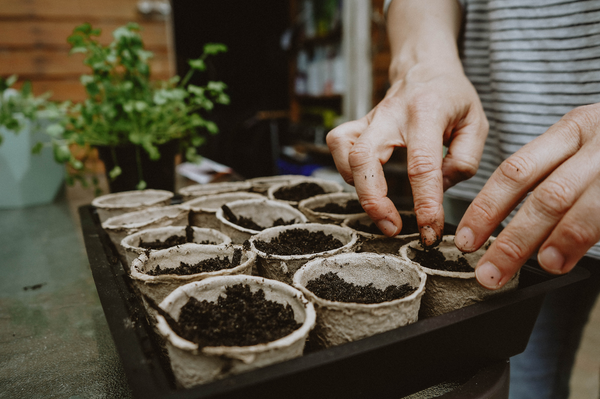
To pre-sprout potatoes, use a five-gallon bucket or a bulb crate. Add two to three inches of soil or finished compost, then place a layer of potatoes. Add a bit more soil, followed by another layer of potatoes. Repeat if needed.
Place the container in a warm space, around 15°C. There is no need for excessive heat. You are not trying to force growth, only to wake the potatoes up and prepare them to grow.

Why Compost Matters
Using good compost during pre-sprouting does more than provide moisture and nutrients. It introduces beneficial biology that potatoes associate with early on. This helps them establish faster once planted, improves overall vigor, and contributes to better disease resistance throughout the season.
Think of this stage as building the biological foundation for the crop.
What to Watch For
Avoid potatoes with long, pale, floppy shoots. What you want are short, tight sprouts, or simply activated eyes ready to grow.
When to Start
If you are planting potatoes in a greenhouse, you can begin pre-sprouting in late January for a March 1 planting. If you are planting outdoors, start pre-sprouting around March 1 for an April 1 planting.
That one-month head start means you can follow potatoes with a food-producing crop for the fall or winter, while reducing disease pressure.