






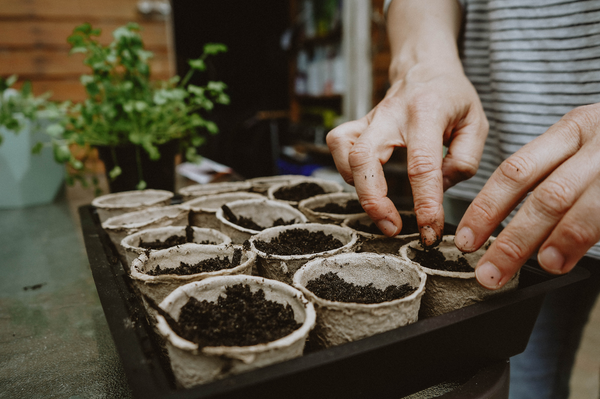

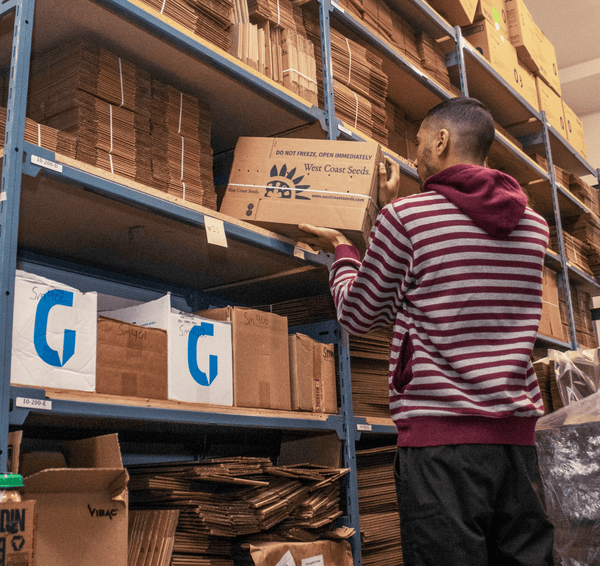


Galt Collegiate Institute is the oldest continuous running school in Ontario at 174 years and the Library is the heartbeat of our school. This is the fourth year of our seed library, inspired by the Preston branch of the Cambridge Public Library and we continue to expand our roots through the school community. We started small with local donations from staff and a cardboard box. We've now expanded to offering almost 100 kinds of seed packages, assisting half a dozen classes as well as growing hundreds of plants for spring giveaways.
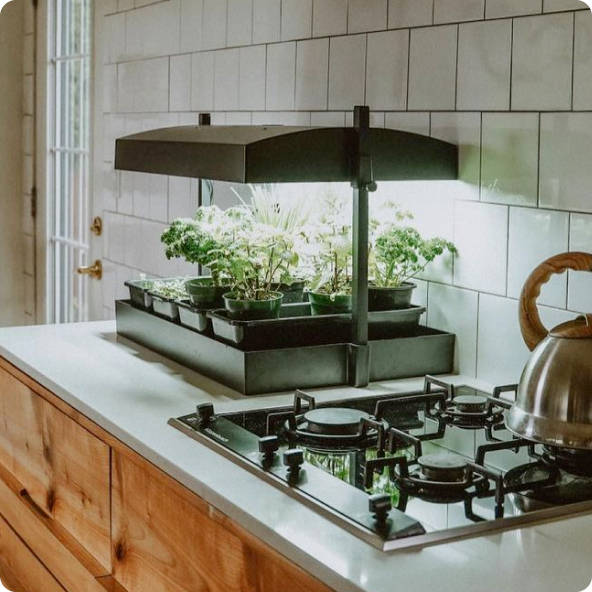
We are assisting Hundreds of people. We have a newly established Green Industries Science class which uses many seeds from our library for their needs. This class has a newly dedicated growing room, is starting a hydroponics program, and has recently been gifted a series of vertical farming units. Many of the lettuces grown on this vertical farming units will be donated to our staff-created PowerFull Kids free-school lunch program. Our Seed Library also supports our Food and Nutrition classes. Mr. Reiss, our Teacher-Librarian, has partnered with the F&N teacher to teach a lesson on both upcycled garbage gardens as well as boulevard gardens. The students are required to bring in a container which would be otherwise destined for the landfill to fill with soil and to grow edible plants in. Their final project sees them analyzing three sites for potential gardens and evaluating which seeds would be best grown in that space based on it's environmental conditions. Finally, we support our students and staff in growing their own food and flowers. Over 100 individuals take a variety of seeds for their own planting needs. We also give away several hundred basil, tomato and pepper seedlings to get people started on their growing journey with just a little push (out of the soil!).

As a predominantly urban school with an urban clientele, many of our students aren't connected to their food sources. They don't know how much time and effort it takes to grow the tomatoes that adorn their pasta, the basil that prettifies their pesto. Over this project's time span, we're combating this lack of knowledge by meeting curiosity with experience and connection. Experience in that our students have learnt far more from their frustrations than their successes. But, sure as the sun will rise tomorrow, they learn that they'll have another growing season and another chance. As for connection, our students are choosing to connect themselves with the rhythm of the seasons and the generations. Many students have shared their seedlings as gifts on Mother's Day or Father's Day while others have used them as time well spent with their grandparents.
First and foremost, our students benefit from the mental health aspects of gardening. We have many plants in our library and I sometimes "prescribe" time in the dirt for students to get out of their heads. Or, they're tasked with separating seeds into small labelled packages. This generation has their ample empathy hijacked by the algorithms and they're all the more dysregulated for it. Putting their misery machines away and getting dirty repotting Inch plants or Spider plants helps ground them in both the physical and mental senses. It gives me a vehicle to talk about self-care in a way that doesn't feel artificial and hokey, one centered around the essentials and rhythms of life. And it gives us all space for processing and for "elbow" conversations, where kids can talk about what's bothering them. But, since we're standing side-by-side, it doesn't feel like a confession. It's like they're unburdening themselves to the plants, rather than me. Both of us keep their secrets. Secondly, it helps connect them to the food systems that surround them. One student talked about the revelation that the "water" in watermelon wasn't just a name: they really do need a tonne of water! She said growing that single watermelon felt like the best accomplishment of the entire summer. Another talked about the celebration her littler brother threw, barefooted in the warm garden soil, when their first cherry "omato" turned red. She shared that it was the best tasting tomato she ever ate in her life. It's the stories like these that sustain us in the dark depths of winter and how we cherish this project.
Check us out on our instagram @ohmygci.