


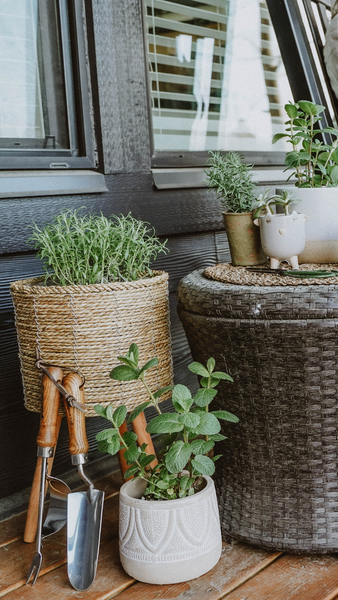
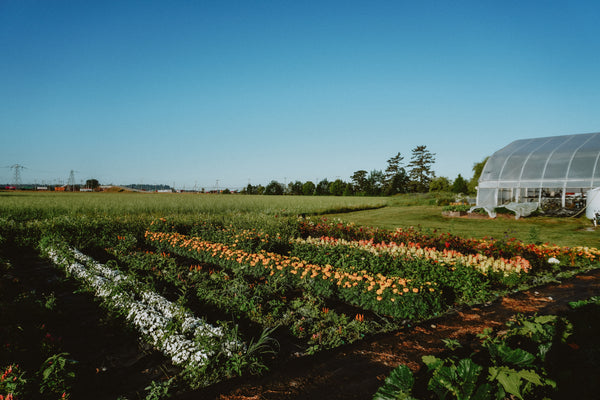







Edwin Binney’s Community Farm and Education Centre, located beside the Crayola building in Lindsay, was established in 2019 through a collaborative vision between United Way Haliburton Kawartha Lakes and Crayola Canada, with early support from post-secondary and community partners. The goal was simple but powerful: to transform underutilized urban land into a thriving, productive space that could address food insecurity while fostering education, connection, and environmental stewardship.
What began as a 3.5-acre urban farm has grown into a cornerstone of community support in the City of Kawartha Lakes. Over the years, the farm has evolved alongside the needs of the community by adapting programming, strengthening partnerships, and refining its focus on sustainable food production and equitable access to fresh produce. This ongoing growth has been made possible through the support of many community partners, volunteers, and donors who each play a role in keeping the farm productive and responsive to local needs.

The farm is more than just a place where food is grown. It serves as an outdoor classroom, a gathering place, and a hands-on learning environment where people of all ages can connect with nature and each other.
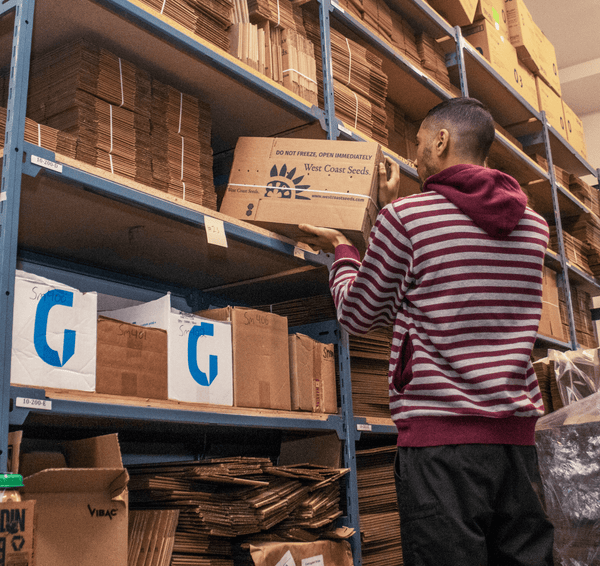
Since 2019, the farm has donated over 96,915 pounds of fresh produce to food banks, community meal programs, and partner agencies across the City of Kawartha Lakes and Haliburton County.
Each season, more than 4,000 individuals are supported through a network of over 20 food banks and 15 community agencies. As food insecurity continues to rise, the focus remains on growing and distributing fresh, healthy food in a consistent and sustainable way.
The goal of the farm is to strengthen food security in the region by increasing access to fresh, locally grown produce for individuals and families who need it most. The work is focused on reducing barriers to healthy eating while contributing to a more resilient and connected local food system.
Beyond food access, the farm builds long-term community capacity by bringing people together through growing, volunteering, and shared learning experiences that strengthen relationships and deepen community connection.

Gardening plays a direct role in improving both physical and mental well-being. It increases access to fresh, nutritious food while encouraging time outdoors, physical activity, and meaningful social connection.
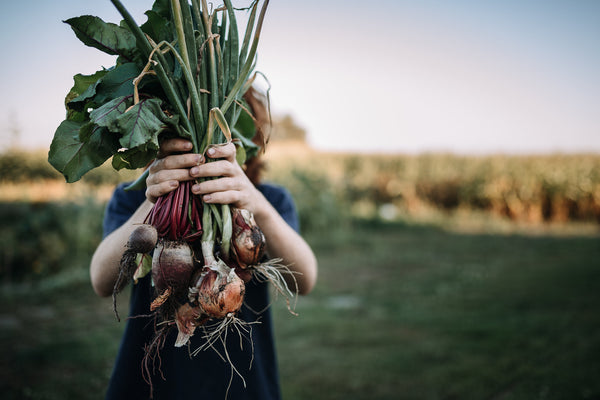
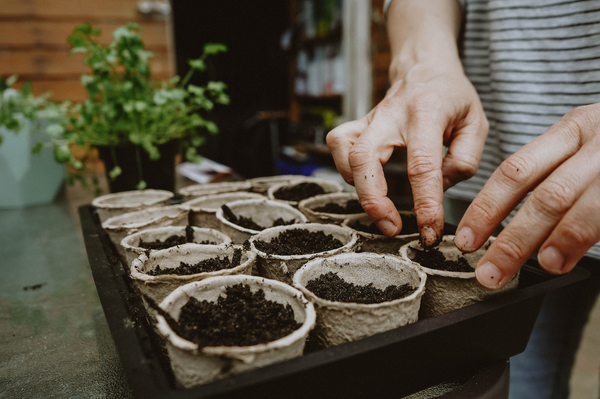
For many visitors, the farm is not something they simply observe. It is something they step into. Tour groups arrive expecting a short walk and often become fully immersed in the space, moving through the rows, asking questions, and quickly shifting from observation to participation. Pulling a carrot from the soil or watching pollinators move through the crops becomes a moment of direct connection to where food comes from.
This is especially clear with youth and summer groups. More than once, a visiting student has described the experience in the moment as “the best field trip ever.” It is a simple reflection, but it captures something consistent about the farm. People are not just learning about food production, they are part of it.

For many participants, that experience builds both confidence and knowledge. Gardening becomes a way to develop practical skills, understand food systems more deeply, and reconnect with the natural environment in a hands-on way. It is both a source of food and a shared space where learning, connection, and sustainability take shape in a tangible way.
The farm operates as a working example of regenerative growing in action, where food production and soil health are treated as one connected system. Multiple growing approaches are used across the site to demonstrate how adaptable food production can be in practice.
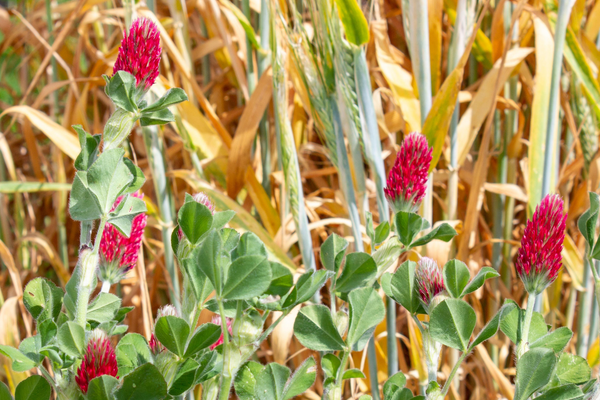
Raised beds and season extension tunnels support intensive production and help extend the growing season through changing weather conditions. A small orchard adds perennial food production, while dedicated seed and pollinator areas strengthen biodiversity and long-term resilience.

Nothing on the farm is treated as waste. Plant material and organic matter are cycled back into the soil as compost, helping feed the next round of crops and completing a continuous loop of growth and renewal.
For many visitors, seeing these systems working together makes regenerative agriculture feel tangible. It is not abstract or theoretical, but something you can walk through and understand in real time.