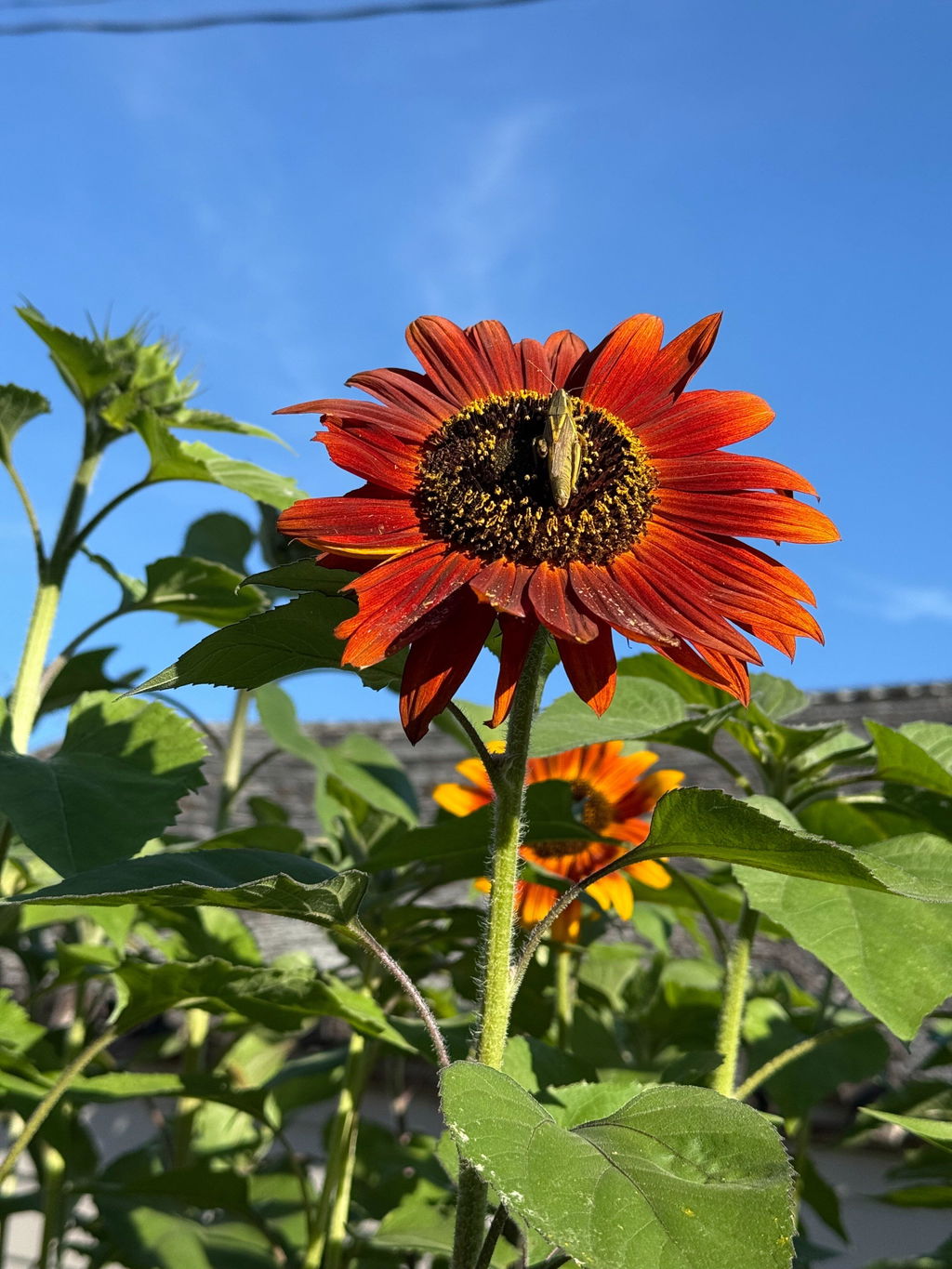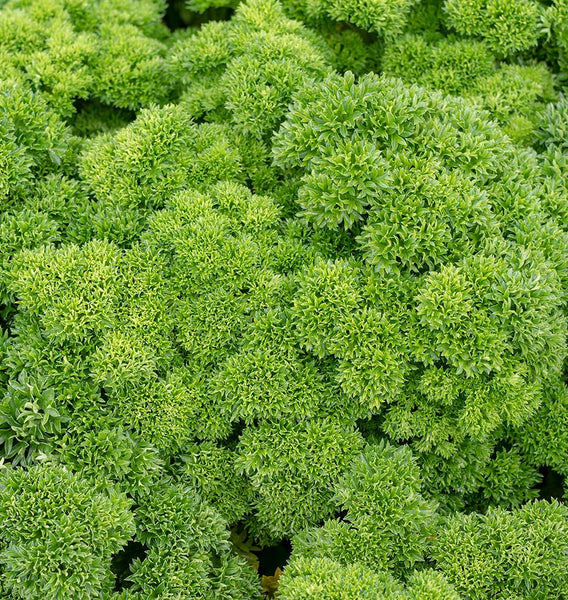
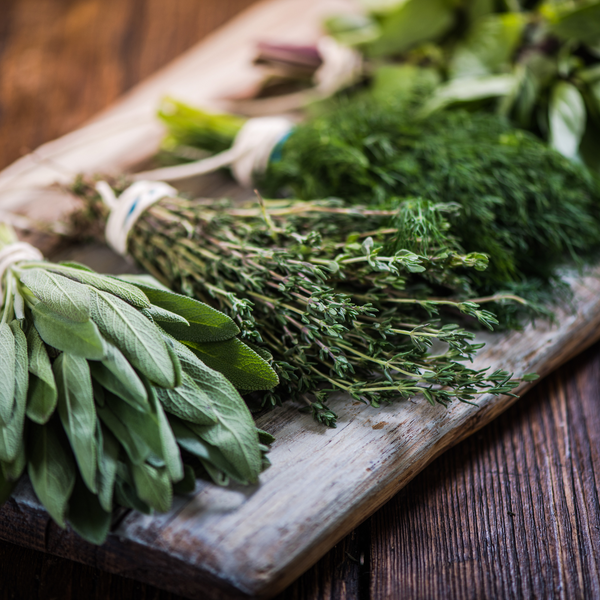



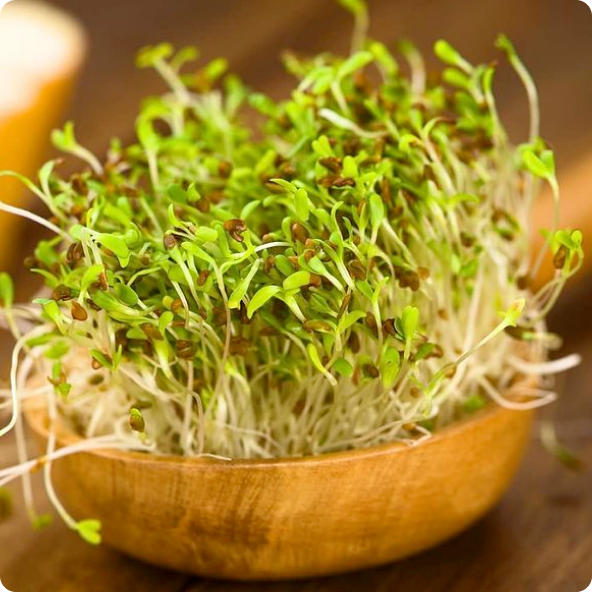
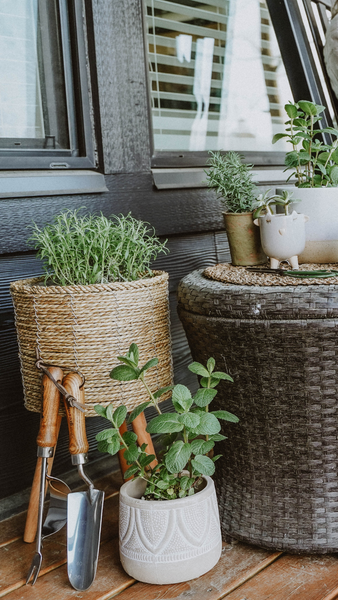
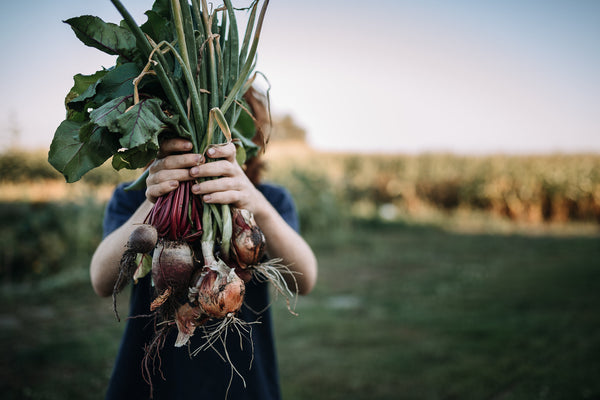
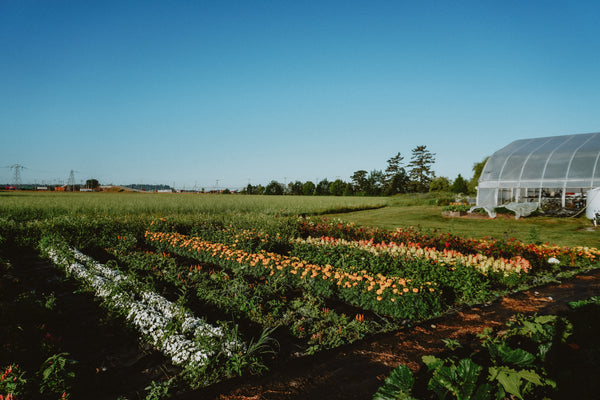









Leila North School is committed to providing students with meaningful, hands-on learning experiences that foster environmental stewardship, food literacy, and a lifelong connection to the natural world. Our school has been developing these unique outdoor education programs that integrate gardening, chicken care, and beekeeping into the everyday learning experiences of our students - for the last two decades.
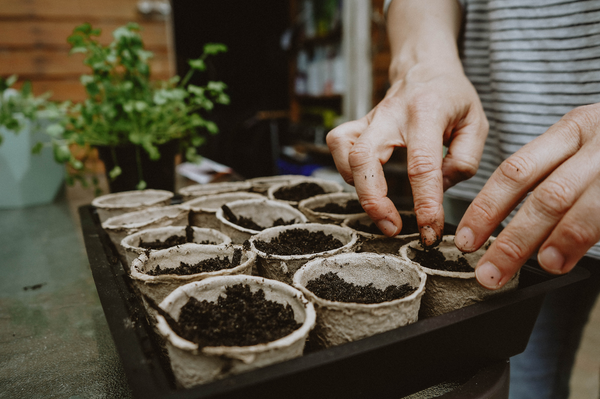
Through our school garden, students learn how to plant, maintain, and harvest fresh produce while developing practical skills in soil health, composting, and sustainable growing practices. Our chicken program teaches responsibility, empathy, and life-cycle understanding as students help care for the flock, collect eggs, and maintain the coop. With our beekeeping program, students gain an up-close understanding of pollinators, biodiversity, and the vital role bees play in food systems and ecosystems.

This programming is deeply rooted in experiential learning and supports cross-curricular outcomes in science, health, math, and social studies. It also provides opportunities for relationship building, teamwork, and leadership, particularly for students who thrive in outdoor and hands-on environments.
All eggs, honey, and produce harvested through our programs are returned directly to the school community, supporting student nutrition, family engagement, and community-building initiatives.
The school community, staff, students, and families as well as the larger community around our school.

Change we hope to make in our community:
1. Strengthen Food Security
Increase access to fresh, healthy, locally grown food by sharing eggs, honey, and produce with students and families.
Support school meal programs and reduce barriers to nutritious food for families who need it most.
2. Build Environmental Awareness & Stewardship
Help children and their families understand where food comes from and why caring for the land matters.
Promote pollinator protection, sustainable gardening practices, and responsible animal care within the wider community.
3. Create a Connected, Caring Community
Bring families, students, staff, and community members together through planting days, harvest celebrations, and outdoor learning events. Foster a sense of pride and shared responsibility for a community project that everyone benefits from.
4. Support Student Leadership & Well-Being
Empower students to take on leadership roles caring for the garden, chickens, and bees and share this knowledge with their families.
Promote mental health and well-being by encouraging time outdoors, hands-on learning, and connection with living things.
5. Encourage Lifelong Skills & Healthy Habits
Teach children practical skills in gardening, food production, and environmental care that they can carry into adulthood.
Inspire families to grow their own food at home, compost, or create pollinator gardens
6. Strengthen Cultural Connections & Land-Based Learning
Provide opportunities to learn from Indigenous teachings about respect for the land, relationships with living beings, and sustainable harvesting.
Build community understanding of traditional and ecological knowledge.

Gardening is an amazing way to add betterment in ones life and community, here is what we believe:
1. Supports Mental Health & Well-Being
Gardening offers students a calming, hands-on activity that reduces stress, builds confidence, and supports emotional regulation. Time outdoors helps students feel grounded, focused, and connected to something bigger than themselves.
2. Builds Responsibility & Life Skills
Caring for plants teaches responsibility, patience, and follow-through. Students see the results of their actions watering, weeding, composting, which helps them understand the importance of consistent effort and teamwork.
3. Improves Academic Learning
Gardening naturally strengthens learning across subjects:
Science: plant life cycles, ecosystems, soil, pollination
Math: measuring beds, counting seeds, tracking growth
Health: nutrition, food systems
Social studies: sustainability, community, cultural teachings
This real-life, hands-on learning makes concepts more meaningful and easier to understand.
4. Encourages Healthy Eating Habits
When students grow their own food, they become more willing to taste and enjoy fresh fruits and vegetables. This improves nutrition and promotes lifelong healthy eating habits.
5. Fosters a Sense of Belonging & Community
Working together in the garden helps students build friendships, collaborate, and feel pride in something they have created. It strengthens connection to the school and encourages positive social interactions.
6. Enhances Environmental Stewardship
Students develop a deeper understanding of how ecosystems work and why caring for the environment matters. They learn firsthand about pollinators, soil health, composting, and sustainable practices.
7. Creates Leadership Opportunities
Students take on roles such as watering teams, compost helpers, garden ambassadors, and harvest leaders. These responsibilities build leadership, problem-solving, and communication skills.
We love what we do and we are grateful for the connections/partnerships we are able to make
Find us on @ecoleilanorth