

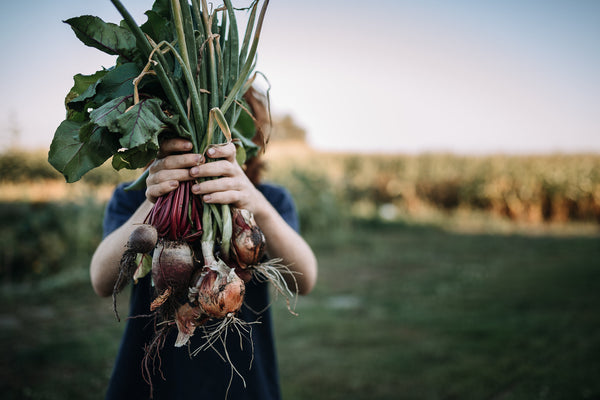
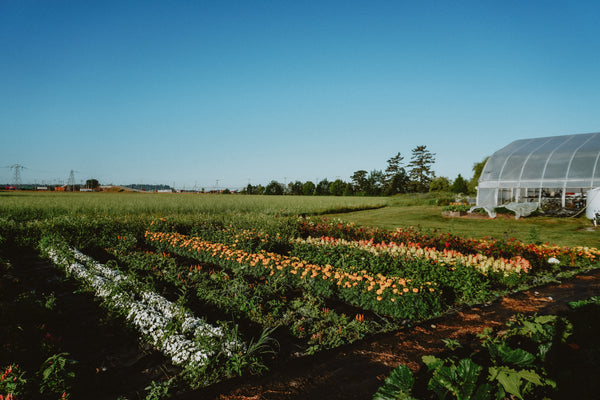







My name is a Akos and I run the re.Planted Farm & Floral Studio in Deep River, ON. We’re a regenerative urban farm that strives to design with only the flowers we’ve grown ourselves. We are strong proponents of the local flower movement and have seen firsthand the immense impact on gardens local ecosystems that a flower garden can have. So why not create one yourself, and one you can cut from to enjoy indoors!
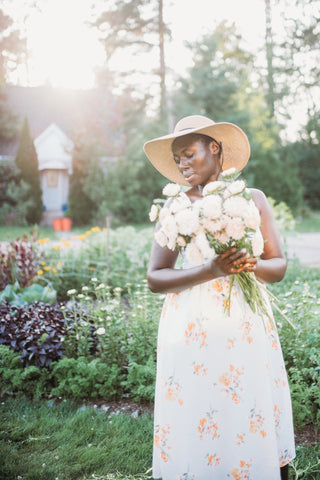
Creating a cut flower garden at home is a great way to bring a bit of beauty and nature into your living space, and to have fresh flowers on hand to brighten up any room. Here are some steps to get started:
-
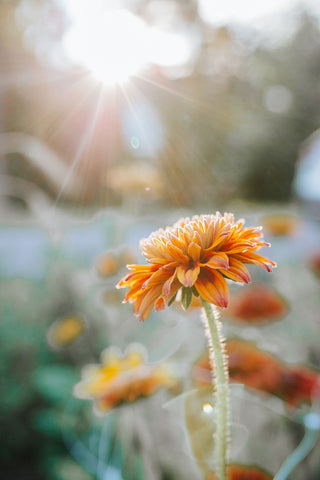
Choose a location: The first step is to choose a location for your cut flower garden. Look for an area in your yard that receives at least six hours of direct sunlight per day and has well-draining soil. Ideally, the location should be close to your home so you can easily access it to cut flowers.
-
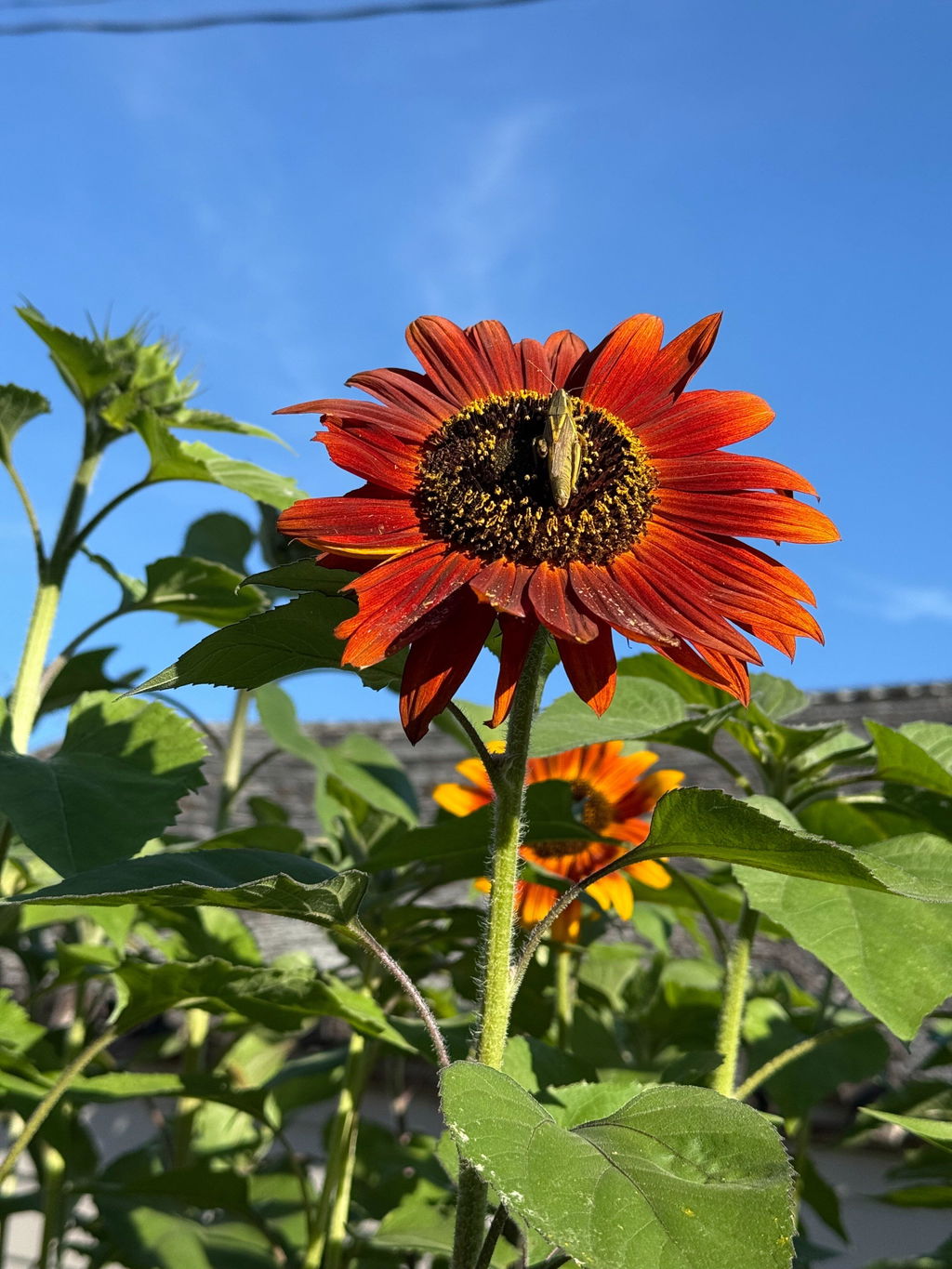
Select your flowers: When choosing flowers for your cut flower garden, consider what types of flowers you like, what will grow well in your area, and how you’d like your arrangement to look like. Try to find varieties that fit your preference and growing climate and that fall into each of the following categories:
- Filler: Some examples include Ammi, Chinese Forget Me Not, Yarrow, and Phlox
- Supporting: Some examples include Campanula, Rudbeckia, and Marigolds
- Focal: Some examples include Zinnias, China Aster, Dahlias, and Tulips
- Spike: Some examples include Gladiolus, Foxgloves,
- Air Element: Some examples include Quaking Grass, Oats, and Annual Baby’s Breath
- Greenery: Some examples include Cerinthe, Eucalyptus, and Various Perennial Shrubs
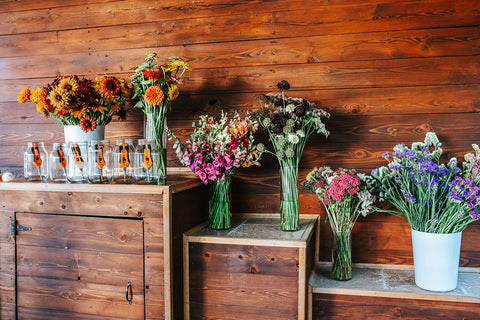
Be sure to choose a mix of early-, mid-, and late-season bloomers so you have a continuous supply of flowers throughout the growing season. Don’t forget to incorporate perennials and be mindful of the mature height of each variety you choose. The taller the plant, the easier to arrange with.
-
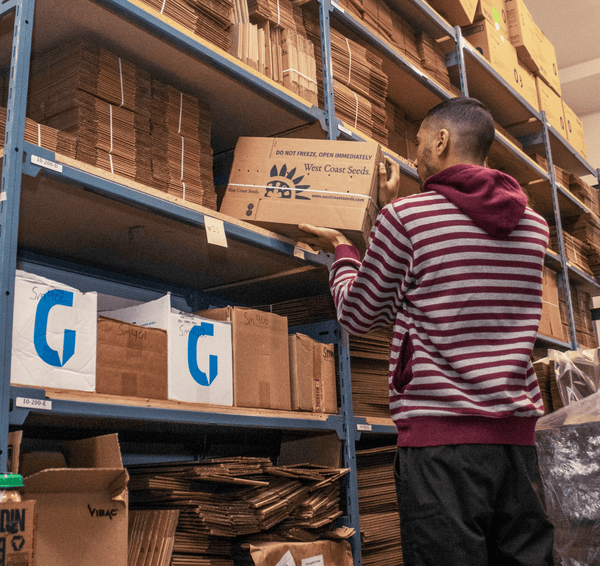
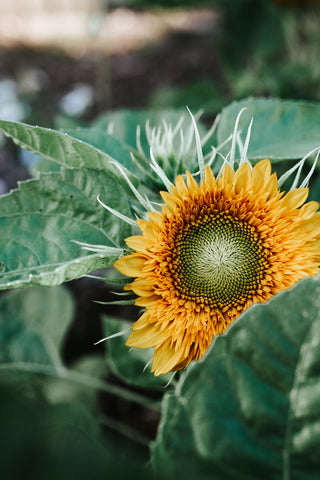
Prepare the soil: At re.Planted Urban Farm, we follow a no-till growing methodology, where we cover the proposed growing area with 2 layers of cardboard, overlapping each other by 6”, and then creating permanent beds with finished compost. We layer 4-6” of compost to create our beds, and a thing 0.5” layer of woodchips to create our paths.
-
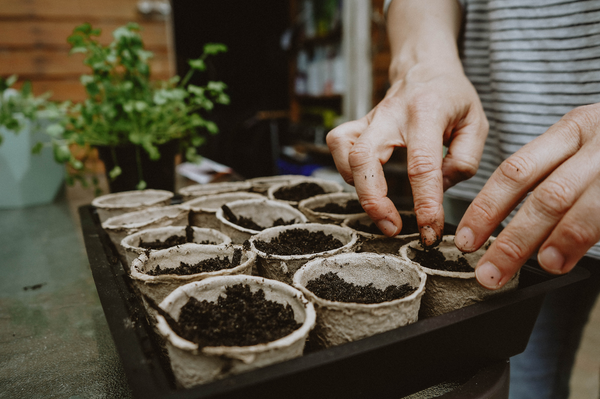
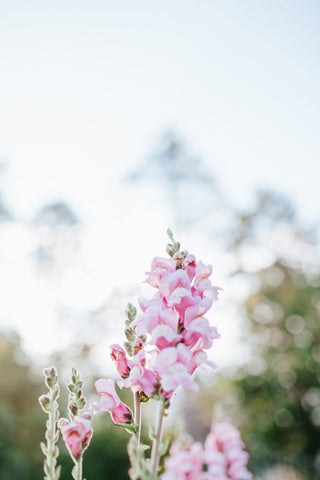
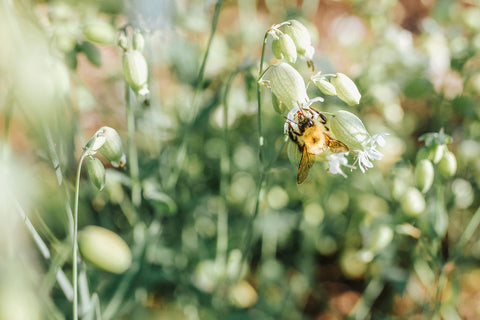
Plant your flowers: Once the soil is prepared, it's time to plant your flowers. Follow the planting instructions for each type of flower, spacing them out according to their mature size. You may also want to add some support structures, such as stakes or trellises, for taller plants. PRO TIP: Plant slightly closer than the recommended plant spacing especially if you plan to cut from your flowers regularly.
-
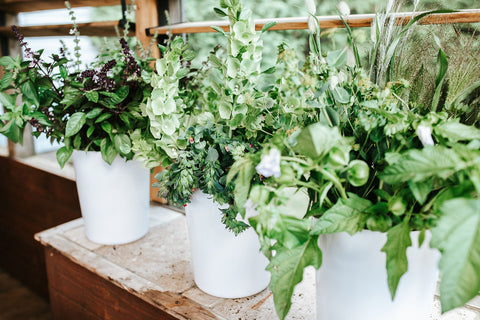
Water and fertilize: After planting, be sure to water your flowers regularly to keep the soil moist. Depending on your soil type and climate, you may need to water daily or every few days. You can also fertilize your flowers with a balanced fertilizer once or twice a month to encourage healthy growth and blooms. We prefer Gaia Green Power Bloom.
-
Harvest your flowers: As your flowers begin to bloom, you can start harvesting them for cut flower arrangements. Cut the stems early in the morning or late in the evening, when the plants are the most hydrated. Use sharp, clean scissors or pruning shears to make a clean cut, and place the stems immediately in a bucket of water.
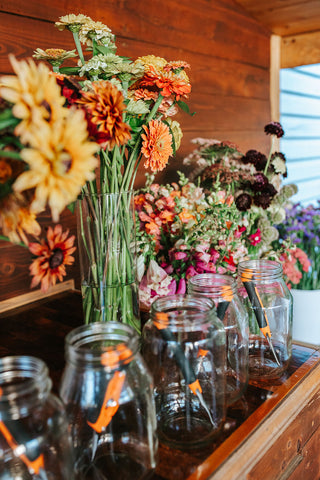
- Arrange your flowers: Once you've harvested your flowers, you can arrange them in a vase or other container. Remove any leaves or thorns that will be below the water line, and cut the stems at an angle to help them absorb water. Change the water in the vase every few days to keep the flowers fresh.
With a little planning and care, you can create a beautiful cut flower garden at home that will provide you with fresh blooms all season long. Enjoy the beauty and fragrance of your flowers, and share them with friends and family to brighten their day as well!
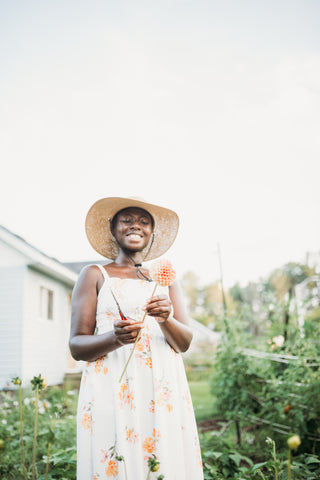
Akos Asare is the farmer/florist at re.Planted Farn & Floral Studio, a regenerative urban farm based in Deep River, Ontario. Akos cultivates flowers and vegetables in less than 2000 sq ft of growing space, utilizing practises like no-till and intensive planting, to maximize their small space. You can follow their journey by visiting their website or following them on Instagram or Facebook.