







Pumpkin on a Stick

SKU: FL3907
Pumpkin on a Stick is a crazy cousin of the traditional eggplant. Small orange fruits develop along prickly stems that emerge from attractive, bushy plants at the end of summer. The fruits are used in certain Asian dishes, but they are bitter and need to be prepared carefully. Read More

Matures in 70 days

Average Seeds Per Gram 250

Pumpkin on a Stick has a rating of 5 stars based on 2 reviews.
Click here for more options
*Please note, this product cannot be shipped to the USA.
See our FAQs for more info.
Good for Containers Cut Flowers
Shipping & Returns

West Coast Seeds ships anywhere in North America. However, we are not able to ship garlic, potatoes, asparagus crowns, bulbs, onion sets, Mason bee cocoons, or nematodes outside of Canada. We regret, we cannot accept returns or damages for orders outside of Canada. The minimum shipping charge to the US is $9.99.

Seeds of Growth

For every order online, we donate a pack of seeds to gardens and communities worldwide through our Seeds of Growth program, supporting sustainable growth and local food systems.

Pumpkin on a Stick

Product Details

We'll notify you when this product is back in stock.


Pumpkin on a Stick

We don't share your information with others.

Your notification has been registered.  Click to close!

How to Grow Eggplant

Step 1

Timing

Sow indoorsΒ in the four weeks following the last frost date.Β Use bottom heat, and keep seedlings warm. Optimal soil temperature: 24-32Β°C (75-90Β°F). Seeds should sprout in 7-12 days.

Step 2

Starting

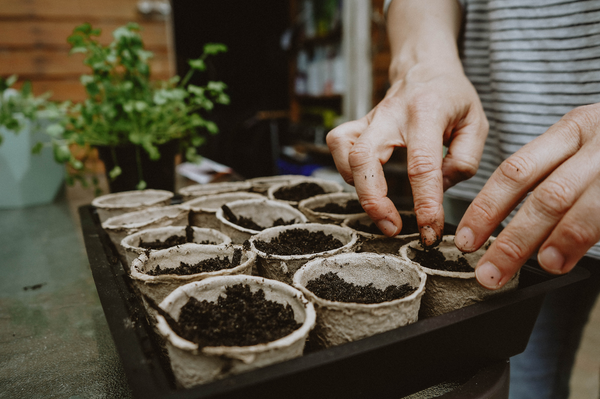
Sow seeds 5mm-1cm (ΒΌ-½”) deep. Use individual peat or coir pots to reduce root disturbance when transplanting. Transplant after night time temperatures are steadily 10Β°C (50Β°F) or warmer. Space with 45-60cm (18-24β€³) between plants. Medium size (3-5 gallon) containers for individual plants also work well.

Step 3

Growing

Ideal pH: 5.5-6.0.

Soil should have abundant phosphorus and calcium, so add lime and compost to the soil three weeks prior to transplanting. Mix ΒΌ-Β½ cup of complete organic fertilizer into the soil beneath each transplant. Using a clear plastic cloche or floating row cover helps growth by increasing heat. Cool temperatures increase leafy growth, but delay fruit set. Once most eggplants get going in the summer, they are highly productive right up until the first frosts.

Step 4

Germination

Days to Maturity: From transplant date.

In optimal conditions at least 65% of the seeds will germinate. Usual seed life: 3 years.

Step 5

Harvest

Pinch off blossoms 2 to 4 weeks before first expected frost so that plants focus on ripening any existing fruit, not producing new ones. Harvest the fruit anytime after the fruit reaches half of their size. Harvesting early prevents fruit from becoming too seedy, and will encourage more production from the plants.

Do not pull the fruit off the plant, but cut it with scissors or secateurs, being careful to avoid any sharp spurs at the stem end.

Tips

Diseases

Verticillium wilt – This is the most serious disease of eggplant. Remove and destroy an entire infested plant, along with immediately surrounding soil and soil clinging to roots. Set into soil where you have never planted tomatoes, peppers, or strawberries.

Tobacco Mosaic Virus – Young growth is malformed and leaves are mottled with yellow. To prevent it, wash hands after handling tobacco (including Nicotiana), before touching plants. Control aphids, which spread the disease.

Pests

Aphids – A hard spray of water can be used to remove aphids from plants. Wash off with water occasionally as needed early in the day. Check for evidence of natural enemies such as grey-brown or bloated parasitized aphids and the presence of larvae of lady beetles and lacewings. If the plants are healthy, aphids will probably never be a problem.

Flea beetles – Control weeds. Use row covers to help protect plants from early damage. Put in place at planting and remove before temperatures get too hot or plants start to flower.

Colorado potato beetles – Handpick beetles, larvae and eggs.

Cutworms – Use cardboard collars around transplants it cutworms are a problem.

Companion Planting

Eggplants are a good companion for amaranth, beans, marigolds, peas, peppers, spinach, and thyme. Do not plant eggplants near fennel.

Customer Reviews & Questions