





Cabernet F1

SKU: ON551
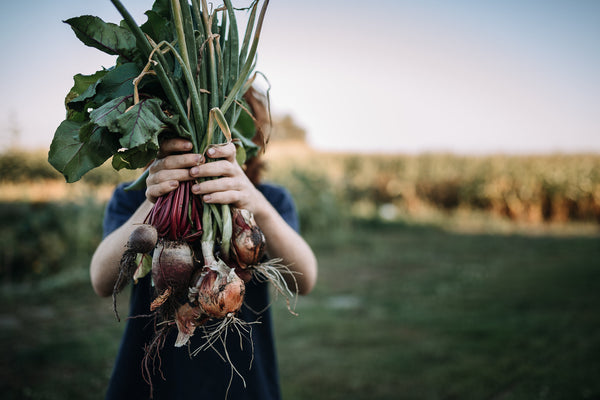
An early maturing red onion with good storage potential of 4-6 months. Cabernet produces medium-large globe shaped onions that have nice internal colour. Read More

Exposure Full Sun

Matures in 100 days

Seed type Hybrid ?

Average Seeds Per Gram 238 ?

Cabernet F1 has a rating of 5 stars based on 1 reviews.
Click here for more options
*Please note, this product cannot be shipped to the USA.
See our FAQs for more info.
New for 2026
Shipping & Returns

West Coast Seeds ships anywhere in North America. However, we are not able to ship garlic, potatoes, asparagus crowns, bulbs, onion sets, Mason bee cocoons, or nematodes outside of Canada. We regret, we cannot accept returns or damages for orders outside of Canada. The minimum shipping charge to the US is $9.99.

Seeds of Growth

For every order online, we donate a pack of seeds to gardens and communities worldwide through our Seeds of Growth program, supporting sustainable growth and local food systems.

Cabernet F1

Product Details

An early maturing red onion with good storage potential of 4-6 months. Cabernet produces medium-large, globe shaped onions that have nice internal colour and mostly single centers. A great choice for regions with a short growing season.

Quick Facts:

    • Can store 4-6 months
    • Early maturing
    • Medium-large globes

We'll notify you when this product is back in stock.


Cabernet F1

We don't share your information with others.

Your notification has been registered.  Click to close!

All About Cabernet F1

Latin

Latin
Allium cepa
Family: Amaryllidaceae

Difficulty

Difficulty
Scallions are easy to grow. Bulbing onions and shallots require transplanting in the spring and curing after harvest. By following these instructions, even novice gardeners should have no trouble.

Timing

Timing
Start shallots and storage onions indoors in late winter and early spring, and transplant 2-4 weeks after the last frost date. Overwintering onions need to be started in early summer, and transplanted by the middle of August. Scallions can be direct sown every 3 weeks from two weeks after the last frost date to late summer. Optimal soil temperature for germination: 21-25°C (70-75°F). Seeds will emerge in 6-12 days, depending on conditions.

Starting

Starting
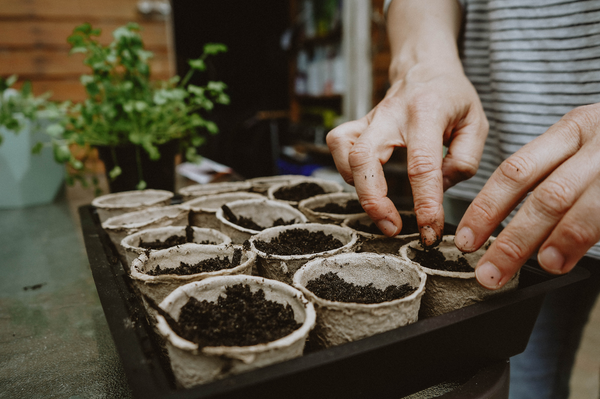
Transplants are preferred for home gardeners. Sow 3 seeds 5mm-1cm (¼-½”) deep in each cell of a 72-cell tray. Transplant as a clump, spacing each 15cm (6″) apart in rows 45-75cm (18-30″) apart. Scallions can be spaced at 2-5cm (1-2″) apart in rows 15cm (6″) apart.

Days to Maturity

Days to Maturity: From transplant date.

Growing

Growing
Ideal pH: 5.5-6.5 (6.0-6.8 for scallions). Fertile and well-drained soil in full sun is essential. Add well-rotted compost and dig ½-1 cup balanced organic fertilizer into the soil beneath each 3m (10′) of row. Keep moisture high in the top 20-30cm (8-12″) of soil. Most of the bulb should form on the surface of the soil, so don’t transplant too deeply. Bulb size is dependent on the size of the tops: the bigger the tops, the bigger the bulb. Provide August-planted scallions with the frost protection of a cloche or heavy row cover as the first frost date approaches.

Harvest

Harvest
Stop watering in the beginning of August to mature the bulbs in dry soil. After half the tops have fallen, push over the remainder, wait a week and lift the bulbs. Curing is essential for long storage: Spread bulbs out in a single layer in an airy spot out of direct sunlight. Once no more green is visible on any of the leaves, and they are dry and crisp, the onion is cured. If weather is poor, cure indoors. Storage: Keep onions in mesh sacks or hang in braids so they get good ventilation, and hang sacks where air is dry and very cool, but not freezing. Check them regularly and remove any sprouting or rotting onions. Well-cured storage onions should keep until late spring.

Seed Info

Seed Info
In optimal conditions at least 75% of seeds should germinate. Usual seed life: 1 year. Per 100′ row: 260 seeds (scallions 1.2M), per acre: 76M seeds (scallions 1,045M).

Diseases & Pests

Diseases & Pests
Botrytis blast and downy mildew are common leaf diseases. One starts with white spots and streaks, the other with purple-grey areas on leaves. Leaves wither from the top down and plants die prematurely. Separate the overwintered and spring crops because disease starts in older plants and moves to younger. Avoid overhead watering and plant in open sunny locations. Use lots of compost and practice strict sanitation and crop rotation.

Companion Planting

Companion Planting

The pungent odour of onions repels many pests and also protects nearby garden vegetables. Plant chamomile and summer savory near onions to improve their flavour. Onions also work well alongside beets, Brassicas, carrots, dill, kohlrabi, leeks, lettuce, strawberries and tomatoes. Don’t plant onions near asparagus, or peas of any kind.

More on Companion Planting.

How To Grow Cabernet F1

Growing

This blend of Micro-clover and Tall Fescue seeds takes a two-pronged approach at defeating the chafer beetle. This blend is meant for use with new, bare topsoil, and not for over-seeding existing lawns. Keep the newly seeded area well-watered as the seedlings take root. Onceestablished, this lawn will require regular maintenance, but it will stay greener for longer in the summer, and it will stand up to foot (and pet) traffic in areas of full sun to partial shade. Clover may go dormant over winter, and may appear to die back, so the fescue in this blend will keep lawns looking healthy and vibrant. This blendcontains95% Tall Fescue and 5% Micro-clover.

Starting

Spread the seed on bare soil, with no turf present, at a rate of 3.6kg (8 lb) per 1000 square feet. Seeding over existing thatch is rarely successful. Because lawn spaces tend to be large, we recommend erring on the side of caution.It’sa good ideato withhold 15-20% of seeds for filling in any bald areas later. All new plantings should be kept damp until the plants areestablished.

Timing

Sow in the period two weeks before, to eight weeks after, the last frost date. Or, in areas with mild winters, sow in early autumn, approximately eight weeks before the first frost date. 

Customer Reviews & Questions