



Kale contains higher levels of beta-carotene than any other green vegetable, and is also high in vitamin C and calcium. Collards are not far behind. All are easy to grow, vigorous, nutritious, resistant to cold, and easy to harvest and...
Continue ReadingChickpeas require 90-100 daysΒ to mature. Start them indoors approximately 4 weeks before the lastΒ average frost date. Optimal soil temperature: 10Β°C (50Β°F). Seeds sproutΒ in 14-21 days depending on conditions.
Continue ReadingThe chicory family includes the food plants endive and radicchio, which range widely in shape, and in flavour from bitter to sweet. All varieties become sweeter, and lose much of their bitterness, when cooked. Try a hot oil salad dressing over endive, or a barbecued head of radicchio.
Continue ReadingCelery is a refreshing treat from the garden, and particularly flavourful when fresh. Celeriac is a variety of celery that is grown for its root, which can be used in a variety of dishes. ItΒ can be steamed, baked, boiled, pureed, or stir-fried β it's so tasty, even if it is unfamiliar.Β
Continue ReadingFrom seedling to harvest, cauliflower must grow steadily to make a large plant and curd. If growth slows, scratch additional fertilizer into the surface of the soil around each plant. Maintain even soil moisture with regular watering. Shade the developing curds from sun by tying up leaves or using newspaper. This is known as βblanching,β and will keep them white.
Continue ReadingItβs easy to learnΒ how to grow carrots from seed. Carrots are biennials so they use their leaves in the first year to gather energy from the sun to build a big, starchy root. This is where they store their energy over the winter. The following spring they use that stored energy to send up a tall umbel of white flowers, looking strikingly similar to Queen Anneβs Lace, to which they are closely related.
Continue ReadingEating lots of cabbage may also protect the eyes from macular degeneration. To preserve its vitamins and mineral content, do not overcook cabbage. Store cut cabbage in the refrigerator in a plastic bag with holes in it and use as soon as possible. Cabbages are also highly ornamental in the garden - choose varieties for colour, deep-red, blue-green, dark-green or leaf texture, savoy (crinkled), or flat leaf.
Continue ReadingFresh Brussels sprouts are a superbΒ fall and winter treat. Like broccoli, theseΒ Brassicas are full of beta-carotene, vitamin C, and fibre. After frost they become sweet, as the plantsΒ convert starches into sugar as a kind of antifreeze. Keep the soil around...
Continue ReadingBeets, like many root vegetables are biennials, which, if not harvested, will bloom in the second year of growth. One of the interesting facts about beets is they are closely related to Swiss chard, which can easily be seen by...
Continue ReadingThe much maligned dandelion actually has a lot to offer. It has been vilified in our culture as the invader of lawn spaces, thrusting its dazzling yellow colour into an otherwise tranquil field of green. Homeowners pour millions of gallons...
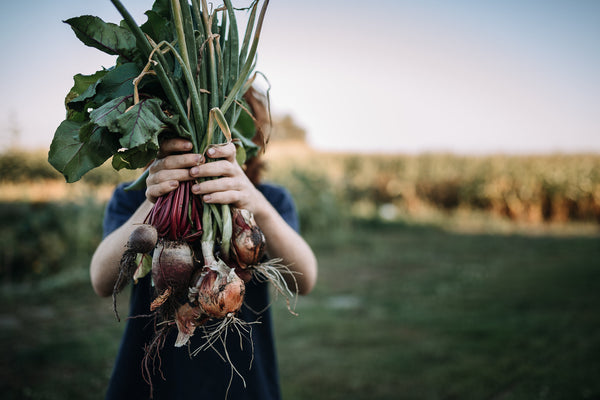
Continue ReadingBeets are incrediblyΒ nutritious. Both the roots and the leaves are an excellent source of antioxidants, minerals, and vitamin C. They also contain betaine, a compound that is essential for cardiovascular health. Eat them raw, cooked, pickled β you can even make beet chips! Most important, it is very easy to grow beets from seed.
Continue ReadingDirect sow from mid-spring to early summer. Try to plant during a warm, dry spell. Soil must be warm β if it is not warm enough, the seeds may rot, especially our untreated seeds. Optimal soil temperature for germination: 21-32Β°C (70-90Β°F). The seeds should sprout in 8-16 days, depending on conditions.
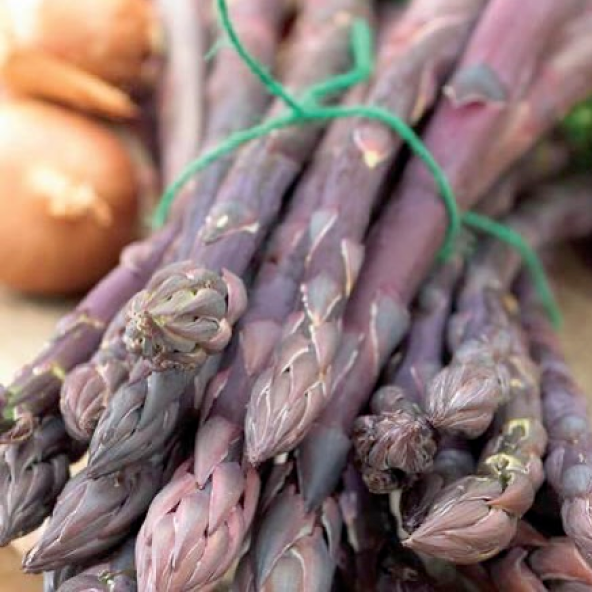
Continue ReadingPlanting asparagus seeds is an exercise in patience, but one of the most rewarding of all garden tasks. Asparagus seeds germinate slowly, and the crowns take three seasons before they can handle being harvested. HoweverΒ the growerβs patience is generously rewarded by early season harvests of asparagus with a flavourΒ not to be foundΒ on store shelves anywhere. You will wish you had planted a bigger asparagus bed!
Continue ReadingArugula is a productive, cool season, annual salad green that works best in spring and fall, and can be managed all winter under cloche protection where winters are mild. In hot weather, arugulaΒ tends to bolt and go to seed. Continue...
Continue ReadingIt takes some work and a lot of patience to grow artichokes from seed, but itβs worth the effort. Commercial culture is limited to warm areas in Zone 7 and above. Artichokes require good soil, regular watering and feeding, plus...
Continue ReadingWhether growing amaranth from seed for its nutritious leaves or its high-protein, gluten-free seeds, it is easy to grow in warm soil with lots of sunlight. Amaranth is closely related to quinoa, but also beets, Swiss chard, and many other...
Continue ReadingWhy garden for Bumble Bees? Bumblebees are a keystone species. This means much of our ecological system hinges on the survival of bumblebees. Not just native plants rely on these furry pollinators, but also many other organisms; over 250 insect...
Continue ReadingCrop rotation is the practice of not growing plants where similar plants grew the previous year. Crop rotationΒ prevents the build up of pests and diseases and optimizes the use of soil nutrients. Plants from different βfamiliesβ need different amounts of...
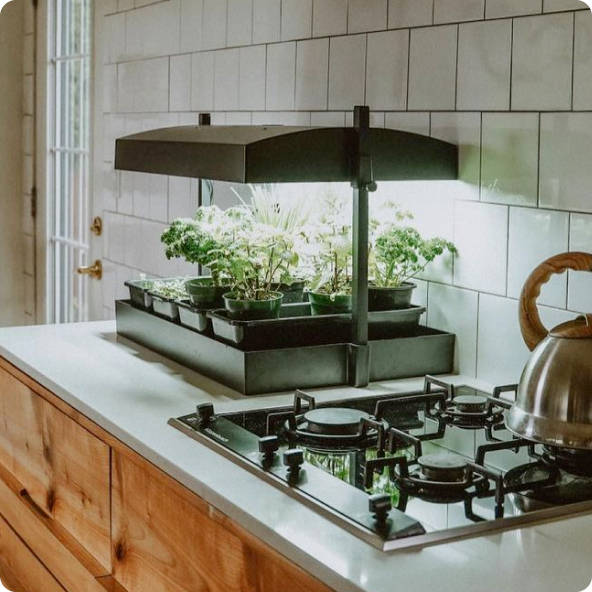
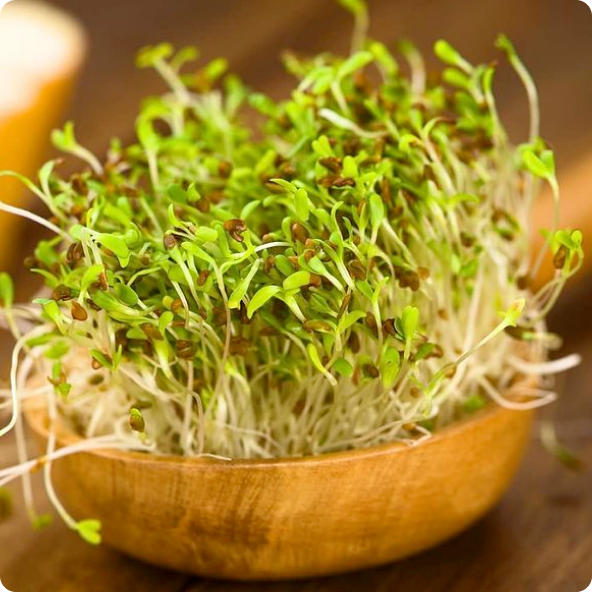
Continue ReadingMicro-greens can be grown anywhere, at any time of year. You need to provide some basic elements like soil, moisture, and light, but thatβs it. You can grow them in the winter in Yellowknife, or in the summer in Tahiti β it makes no difference. I also like micro-greens because of the wildly diverse potential they represent.
Continue ReadingOrganic gardeners share one challenge that has many faces β how to protect seedlings along to the point when they are strong enough to defend themselves. Because seedlings are so tender and tasty, and low to the ground, they are easy pickings for a host of animals, from the very tiny to the enormous. Everything from wireworms and millipedes up to raccoons and deer are perfectly happy to chomp on veggies, sometimes eradicating a whole bed of newly emerged plants.
Continue ReadingIn many cases pre-packaged soil from the garden centre may serve its purpose when filling containers or raised beds. It is usually manufactured in massive amounts by mixing various raw ingredients before bagging. Here is our container soil recipe.
Continue ReadingThere are four central issues that offer a better understanding of garden soil and how it can be improved: Soil structure, soil components, soil life, and soil pH. Gardeners (and farmers) will benefit from contemplating these four factors on their own and in harmony with one another.
Continue ReadingWe often talk about cultivating organic soil that is rich in microbial action, and full of organisms. Soil in the garden combines naturally occurring minerals with various organic and and any organic or mineral amendments you add. As the organic...
Continue ReadingMost potting soils have enough nutrients that fertilizers are not necessary for seedlings until they are transplanted to the garden. Generally speaking, you want the fertilizer to go beneath each transplant, but not in direct contact with its roots. In a typical situation (transplanting a tomato plant, for example), you would dig a hole slightly deeper than the root ball of the seedling.
Continue Reading