


WCS Academy

Gardening advice, How To Grow Guides, and Seasonal inspiration.

Explore practical articles on seed starting, crop-specific growing tips, seasonal planning, pest management, and garden projects from the West Coast Seeds team.

498 articles Updated seasonally by West Coast Seeds

Filter Posts

All Filters

Back on Day 2 of our Twenty-one Days of Green, we talked about planting chives. We chose chives because they have to be among the...

Continue Reading

Back on Day 2 of our Twenty-one Days of Green, we talked about planting chives. We chose chives because they have to be among the very simplest of all herbs to grow from seed....

Continue Reading

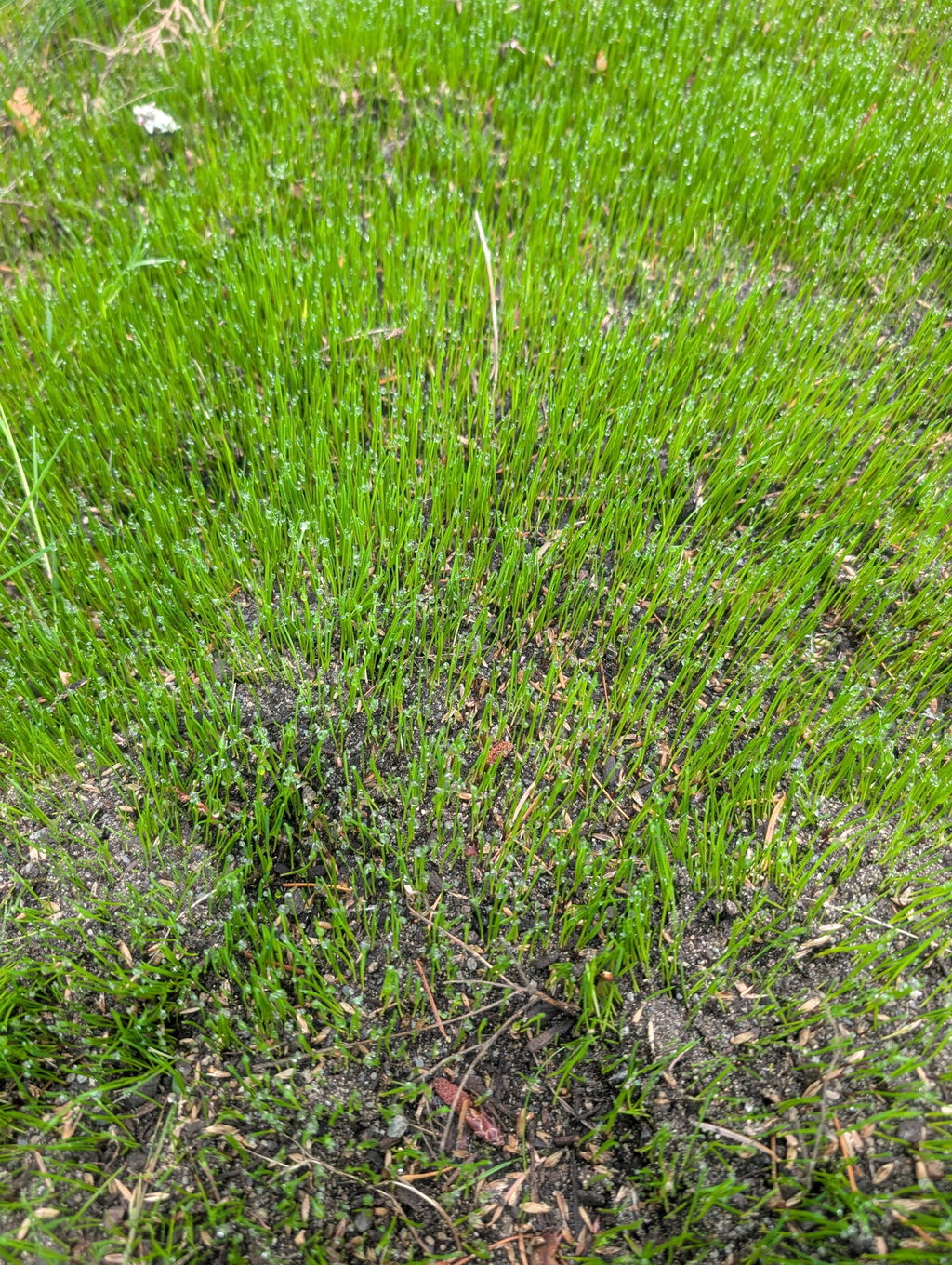
Grass is used to fill in an awful lot of public spaces. We think of it as the automatic response to revitalizing just about any...

Continue Reading

Grass is used to fill in an awful lot of public spaces. We think of it as the automatic response to revitalizing just about any building or construction site, and since grasses are so...

Continue Reading

Okay – now for the fun stuff. Seed balls (sometimes called seed bombs), are simple balls of clay and soil that contain seeds. They can...

Continue Reading

Okay – now for the fun stuff. Seed balls (sometimes called seed bombs), are simple balls of clay and soil that contain seeds. They can be placed or tossed into their growing spot, and...

Continue Reading

We love the Queen of Green. Since 2009, environmentalist Lindsay Coulter has been blogging as David Suzuki’s Queen of Green on the website of the...

Continue Reading

We love the Queen of Green. Since 2009, environmentalist Lindsay Coulter has been blogging as David Suzuki’s Queen of Green on the website of the David Suzuki Foundation. If you want to take practical...

Continue Reading

At West Coast Seeds we are huge fans of school gardens. Nothing beats seeing a class of happy, engaged kids learning about how soil works,...

Continue Reading

At West Coast Seeds we are huge fans of school gardens. Nothing beats seeing a class of happy, engaged kids learning about how soil works, and how to grow food from seed. The match...

Continue Reading

It’s pronounced “zee-re-scape-ing.” And it’s a key concept for landscapers as we look to a future of water conservation and climate change. It’s worth mentioning...

Continue Reading

It’s pronounced “zee-re-scape-ing.” And it’s a key concept for landscapers as we look to a future of water conservation and climate change. It’s worth mentioning again in this series of Twenty-one Days of Green...

Continue Reading

For the 21 days leading up to Earth Day, we are asking you to Commit to Grow with us. We appreciate that some of you...

Continue Reading

For the 21 days leading up to Earth Day, we are asking you to Commit to Grow with us. We appreciate that some of you might not even have outdoor gardening space, so today...

Continue Reading

In this installment of Commit to Grow for Earth Day, we take the chance to explain why we choose to maintain our status as certified...

Continue Reading

In this installment of Commit to Grow for Earth Day, we take the chance to explain why we choose to maintain our status as certified organic handlers of seeds. What does it mean to...

Continue Reading

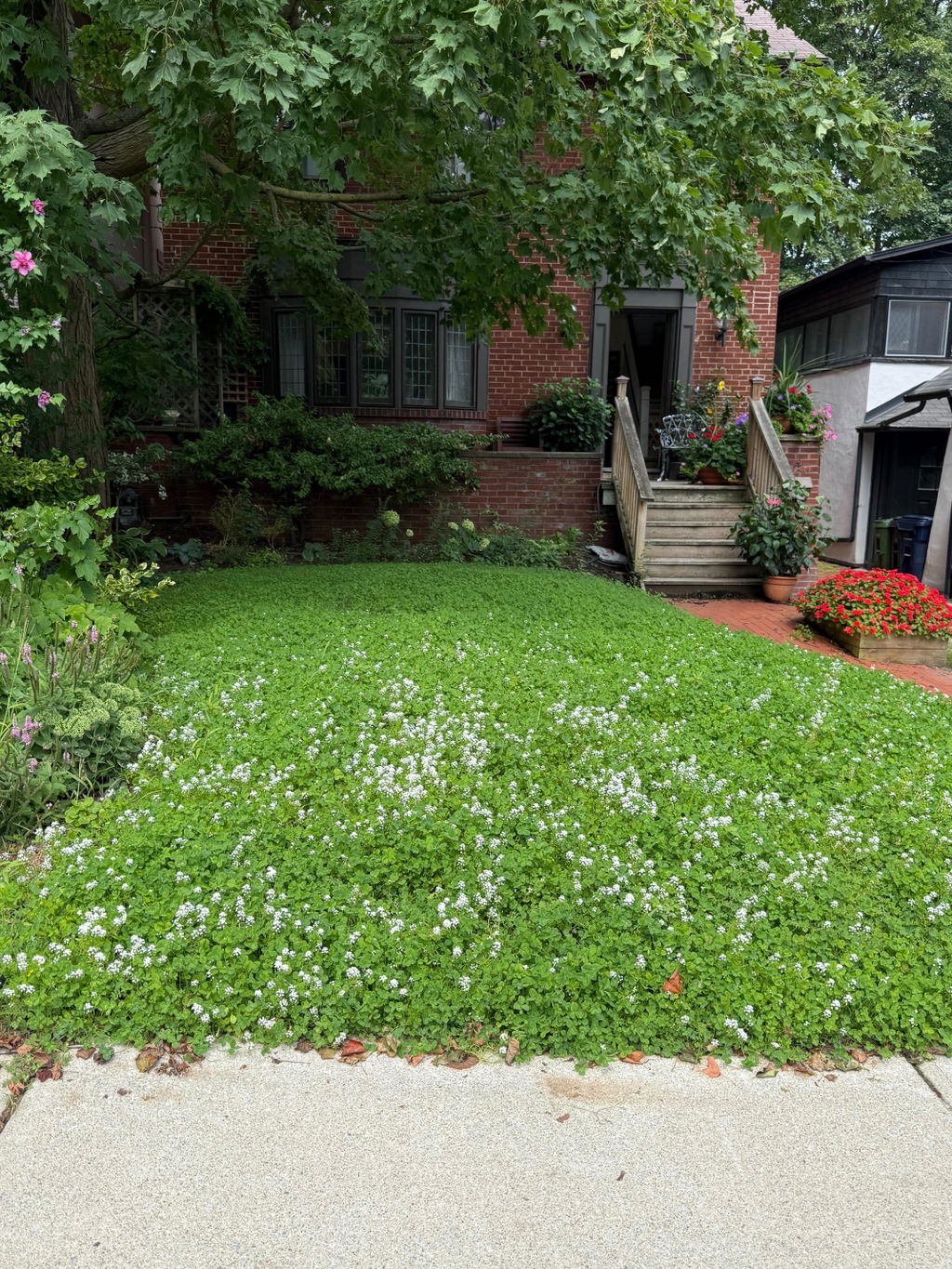
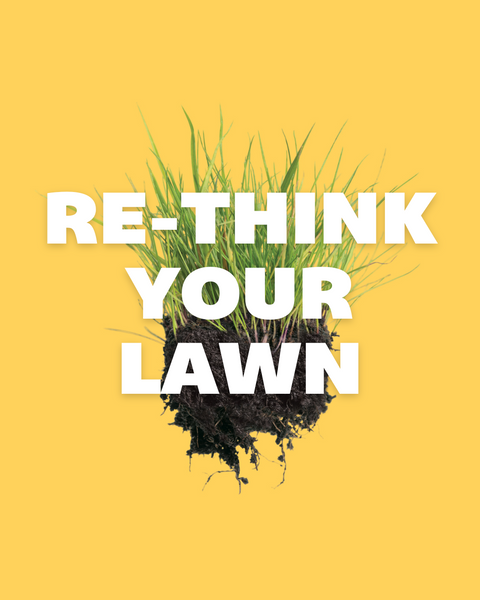
While recreational field turf has its uses, most urban and suburban lawn leaves the Earth with a net loss. Space that could be used for...

Continue Reading

While recreational field turf has its uses, most urban and suburban lawn leaves the Earth with a net loss. Space that could be used for growing food or feeding pollinators is dedicated instead to...

Continue Reading

We continue our Twenty-One Days of Green with a look at an amazing community group. One of our favourite of all gardening organizations is Plant...

Continue Reading

We continue our Twenty-One Days of Green with a look at an amazing community group. One of our favourite of all gardening organizations is Plant a Row Grow a Row. Quite simply, they encourage...

Continue Reading

The theme of this Twenty-one Days of Green campaign is to encourage everyone to Commit to Grow just one item that might otherwise be purchased...

Continue Reading

The theme of this Twenty-one Days of Green campaign is to encourage everyone to Commit to Grow just one item that might otherwise be purchased at a grocery store. We love using chives as...

Continue Reading

Commit to Grow for Earth Day. It’s already April, and Earth Day on April 22nd is fast approaching. We love to see people celebrating this...

Continue Reading

Commit to Grow for Earth Day. It’s already April, and Earth Day on April 22nd is fast approaching. We love to see people celebrating this important day, but we were wondering what we could...

Continue Reading

Parsnip (Pastinaca sativa) As a member of the family Apiaciae, the parsnip counts among its close cousins the carrot, parsley, dill, fennel, cilantro, and celery....

Continue Reading

Parsnip (Pastinaca sativa) As a member of the family Apiaciae, the parsnip counts among its close cousins the carrot, parsley, dill, fennel, cilantro, and celery. All of these bear tall umbels of flowers, but...

Continue Reading

Parsley (Petroselinum crispum) Both the curly leaf form (P. crispum) and the Italian flat-leaf form (P. crispum var. neapolitanum) of this useful herb are members...

Continue Reading

Parsley (Petroselinum crispum) Both the curly leaf form (P. crispum) and the Italian flat-leaf form (P. crispum var. neapolitanum) of this useful herb are members of the carrot family Apiaceae, and share a close...

Continue Reading

Leeks (Allium ampeloprasum, var. porrum, syn. A. porrum) This member of the Allium family is thought to have been in cultivation since the 2nd century...

Continue Reading

Leeks (Allium ampeloprasum, var. porrum, syn. A. porrum) This member of the Allium family is thought to have been in cultivation since the 2nd century BC, from ancient Egypt to Mesopotamia. The Romans believed...

Continue Reading

Cress (sometimes called garden cress, garden pepper cress, pepperwort, or pepper grass) is a leafy annual herb from the Brassica family. It is harvested when immature,...

Continue Reading

Cress (sometimes called garden cress, garden pepper cress, pepperwort, or pepper grass) is a leafy annual herb from the Brassica family. It is harvested when immature, around one to two weeks after germination, but will...

Continue Reading

It’s already the middle of March, 2017, and spring seems hesitant to start this year. Despite the rain (and melted snow), we know that fairer...

Continue Reading

It’s already the middle of March, 2017, and spring seems hesitant to start this year. Despite the rain (and melted snow), we know that fairer weather is coming. So we’re building twenty raised beds...

Continue Reading

Catnip (Nepeta cataria) This perennial member of the mint family is native from eastern Europe eastward to China. It is a bushy, branching herb that...

Continue Reading

Catnip (Nepeta cataria) This perennial member of the mint family is native from eastern Europe eastward to China. It is a bushy, branching herb that grows to 50–100cm (20–39″) tall. Like many mints, its...

Continue Reading

About Cauliflower (Brassica oleracea Botrytis group) Modern cauliflower has been grown since the 15th century, and it was grown almost exclusively in Italy until the...

Continue Reading

About Cauliflower (Brassica oleracea Botrytis group) Modern cauliflower has been grown since the 15th century, and it was grown almost exclusively in Italy until the 16th century when it gradually migrated to France and...

Continue Reading

Celery (Apium graveolens var. dulce) & Celeriac (A. graveolens var. rapaceum) The Latin names for the different types of celery are revealing. In both cases,...

Continue Reading

Celery (Apium graveolens var. dulce) & Celeriac (A. graveolens var. rapaceum) The Latin names for the different types of celery are revealing. In both cases, graveolens means “strong smelling” or “heavily scented.” Dulce implies...

Continue Reading

One of the best things about working with seeds is the time we spend in seed trials, trying new varieties and comparing traits. We are...

Continue Reading

One of the best things about working with seeds is the time we spend in seed trials, trying new varieties and comparing traits. We are completely spoiled by the multitude of fruits and vegetables...

Continue Reading

Chives (Allium schoenoprasum) Chives have been in cultivation since at least the Middle Ages in Europe, and there are references to their use in ancient...

Continue Reading

Chives (Allium schoenoprasum) Chives have been in cultivation since at least the Middle Ages in Europe, and there are references to their use in ancient Rome, but primarily as a medicinal herb. They were...

Continue Reading

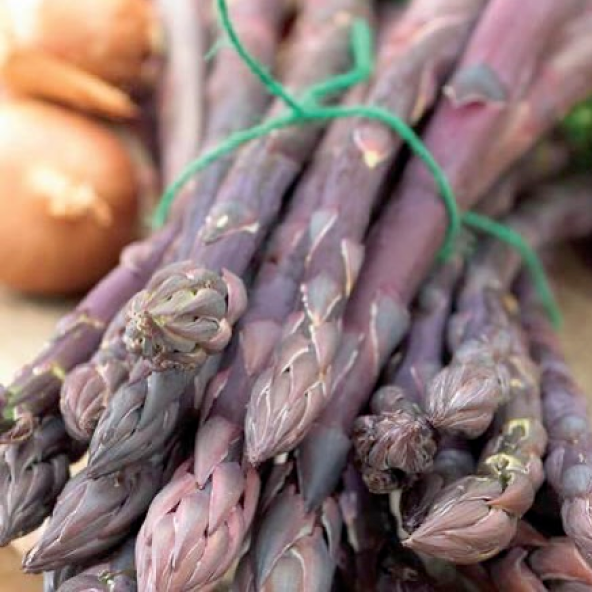
Asparagus (Asparagus officinalis) Asparagus has very few close botanical relatives in its own family, Asparagaceae. The name “asparagus” simply comes from the Latin botanical title,...

Continue Reading

Asparagus (Asparagus officinalis) Asparagus has very few close botanical relatives in its own family, Asparagaceae. The name “asparagus” simply comes from the Latin botanical title, with its roots in Greek and the original Persian,...

Continue Reading

About Arugula Arugula is a low-growing member of the Brassica family that forms rosettes that resemble a cross between lettuce and dandelions. Its leaves have...

Continue Reading

About Arugula Arugula is a low-growing member of the Brassica family that forms rosettes that resemble a cross between lettuce and dandelions. Its leaves have deep, round indentations reminiscent of oak leaves. These, as...

Continue Reading