








Ciclomanias is a grassroots organization based in Calgary (Treaty 7), officially incorporated in 2022 but rooted in over a decade of work in Canada and earlier beginnings in Mexico. We deliver innovative, community-driven environmental education programs, upcycled arts & crafts, and sustainability services such as waste reduction, permaculture design, and soil assessments.

The idea began in 2003 in Aguascalientes, Mexico, when I developed a social service program called Never Too Late to Make a Difference, connecting university students with seniors through upcycling workshops. After moving to Canada in 2010, I continued this work as a sole proprietorship, which later evolved into Ciclomanias’ holistic approach: protecting the environment, fostering sustainable livelihoods, and empowering underrepresented groups. Today, through partnerships with First Nations, we engage communities in meaningful hands-on environmental action that blends cultural connection with ecological resilience.
By blending science, art, and Indigenous worldviews, I could design programs that not only educate and inspire but also create opportunities for those often excluded from the economy. Being a business owner gave me the freedom to align my work with my values, building a regenerative, inclusive future where environmental protection and community empowerment go hand in hand.
We currently support approximately 700 students, staff, and teachers from Indigenous communities across Alberta, including Treaty 6, 7, and 8 Nations.

Ciclomanias Environmental Services
In recent years, our focus has been on food security and building capacity within First Nations through the co-creation of school and community gardens. Many of these communities’ face barriers to accessing fresh, healthy food due to transportation challenges and reliance on food bank donations.
Our goal is to address food insecurity while fostering community education around sustainable food production. By co-creating gardens as safe, inclusive spaces, we encourage intergenerational participation, where students, families, and Elders can grow food, share knowledge, and strengthen local food systems one garden at a time.
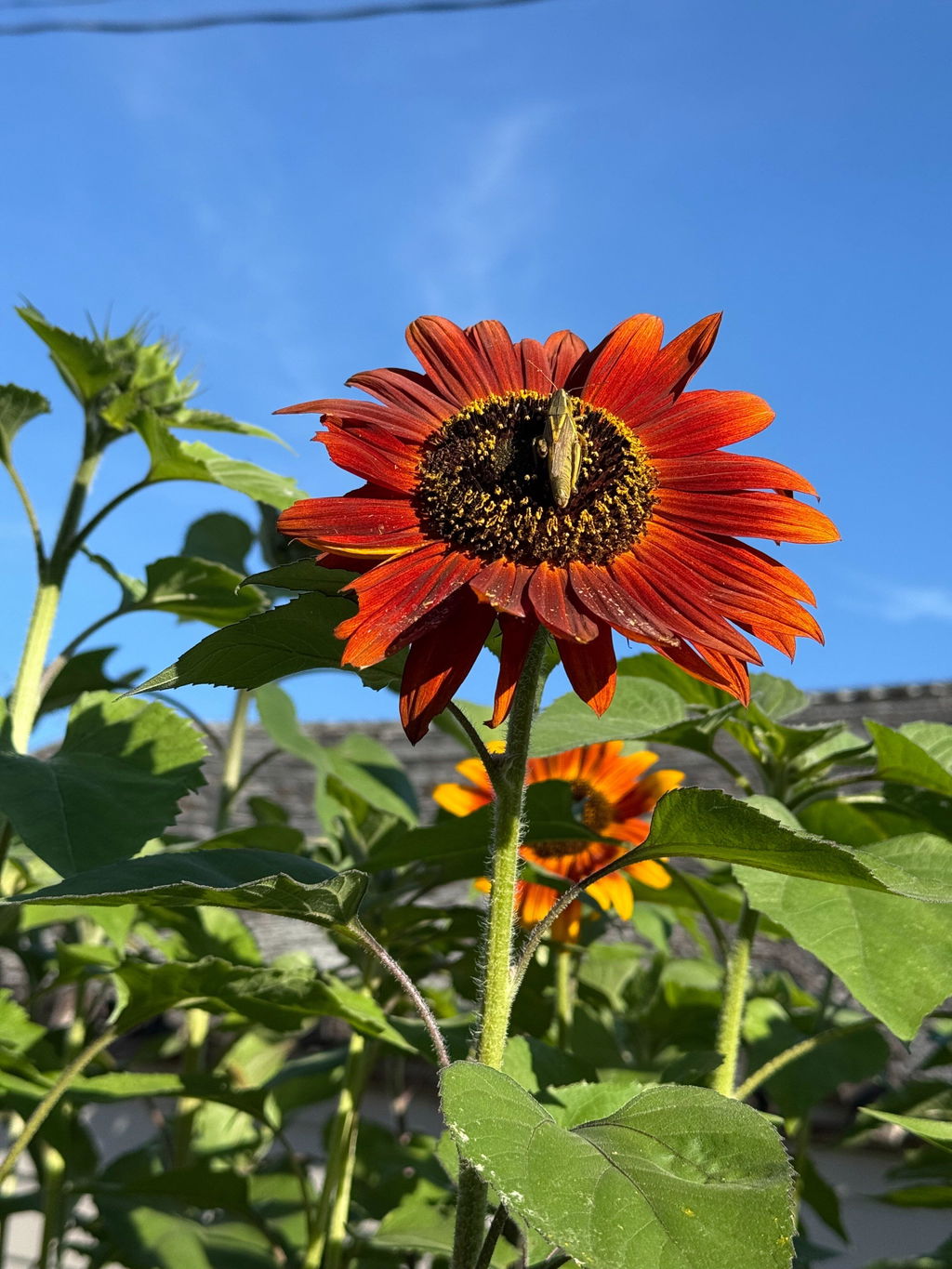
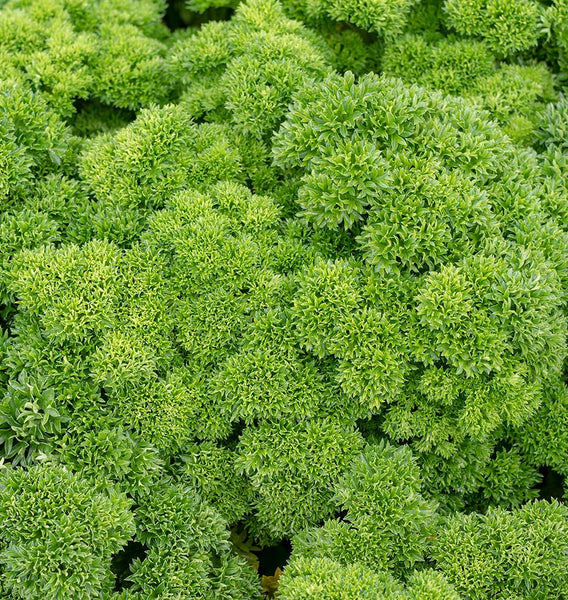
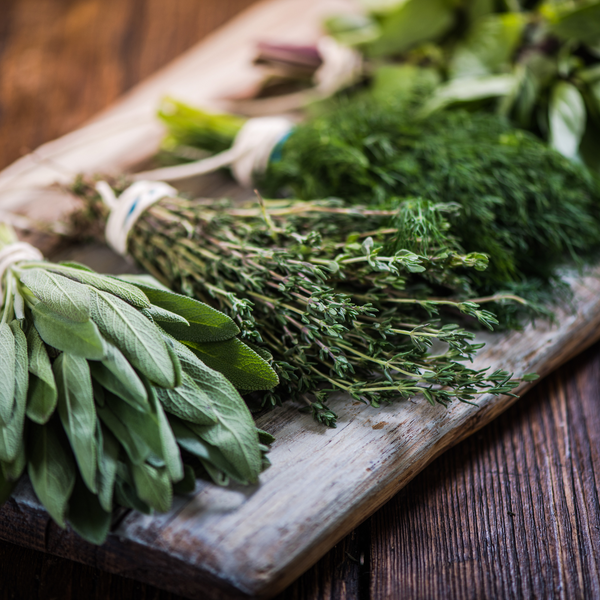
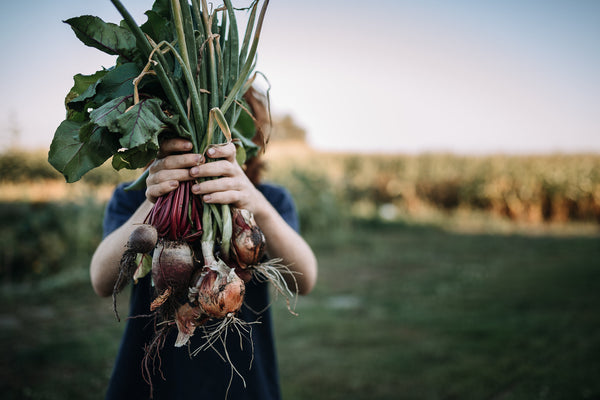
For us, gardening is more than growing food, it is a powerful way to connect people, culture, and the environment. It demonstrates a closed-loop system: using organic waste to create compost, regenerating soil, diverting waste from the landfill, reducing greenhouse gas emissions, and producing healthy vegetables, herbs, and flowers. Gardening also provides meaningful physical activity and an opportunity for youth to connect with nature.
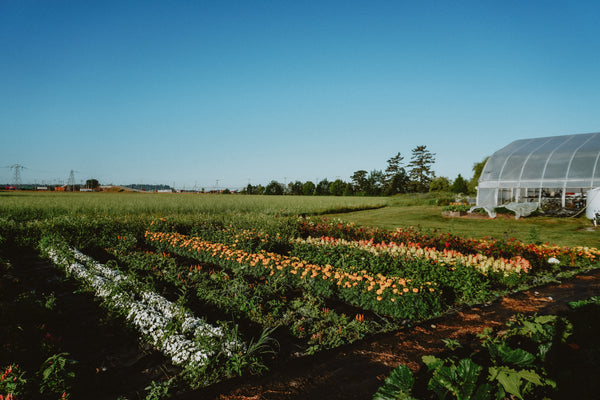
Over the last five years, we have focused on growing edibles and planting native species in Indigenous community gardens. These spaces bring Elders and young people together, sharing teachings about medicinal and edible plants while strengthening cultural and ecological ties to the land.

Elder Bob Lefthand Blesses the Chief Jacob Bearspaw School Garden
As part of our First Nations Zero Waste Ambassador Program, we practice vermicomposting by feeding organic waste from schools to earthworms, creating nutrient-rich castings that help West Coast Seeds thrive in these sacred gardens. During the summer break, we extend this work through our Eco-Guardians Youth and Mentorship Program, a land-based education initiative that empowers Indigenous youth with hands-on skills in gardening, composting, permaculture, and food sovereignty, while grounding learning in Traditional Ecological Knowledge (TEK).
These programs not only provide fresh food and environmental education but also cultivate leadership, resilience, and community pride. Implemented in communities such as Mînî Thnî and Eden Valley, these beautiful gardens and greenhouse have become living classrooms where students reconnect with the land, strengthen food security, and reimagine waste as a valuable resource.

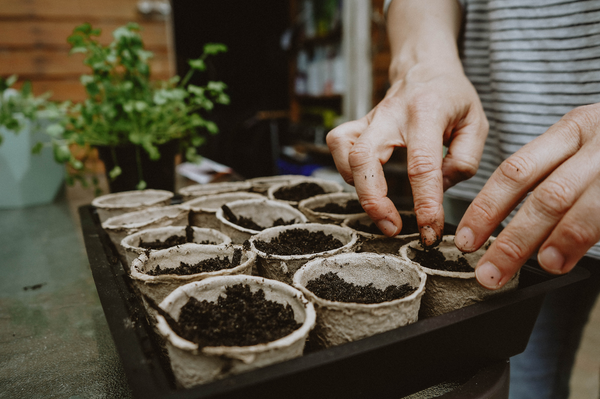
Hands of the Eco-Guardians Working at Nakoda Elementary School Garden
Each year, Ciclomanias engages communities through hands-on programs that combine waste diversion, food sovereignty, and cultural connection. Some of our recent impacts include:
• Diverted over 1 tonne of solid waste from landfills through waste audits and reduction strategies with SMEs, schools, universities, and First Nations.
• Diverted over 1 tonne of organic waste, transformed into nutrient-rich compost through vermicomposting and gardening programs.
• Upcycled over 1 tonne of corrugated cardboard, 300 kg of plastic bottles, and 200 kg of metals into creative, functional products through community workshops.
• Engaged approximately 700 individuals annually, including families, students, teachers, seniors, and community members—particularly from Indigenous schools on Treaty 6, 7, and 8.
• Trained and paid over 10 Indigenous youth through our Eco-Guardians Youth Training and Mentorship Program, supporting school and community gardens during spring and fall while ensuring they produce fresh food for students after summer break.
• Established multiple community gardens and food forests using composted materials, contributing to food security, biodiversity, and cultural revitalization.
These outcomes demonstrate our commitment to building a circular economy, advancing regenerative environmental practices, and empowering communities through education, skill-building, and land-based action.
Check us out on our:
Website, Social Media: Facebook, Instagram, and Youtube