
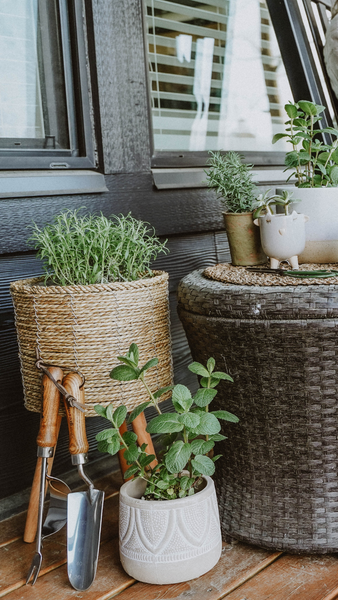
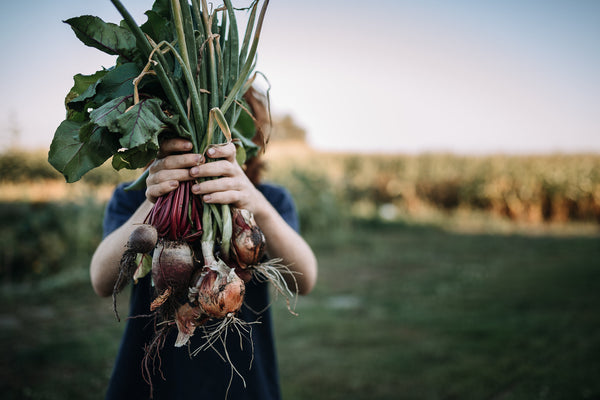
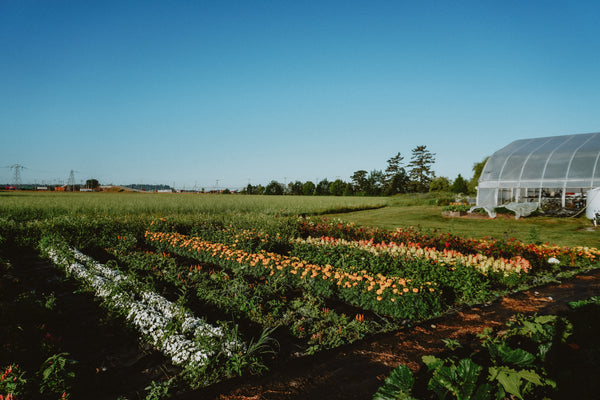




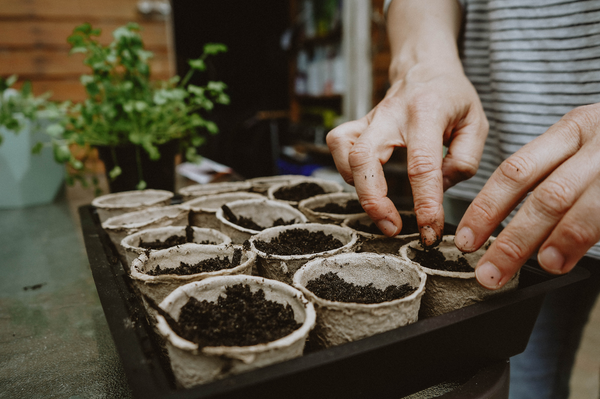


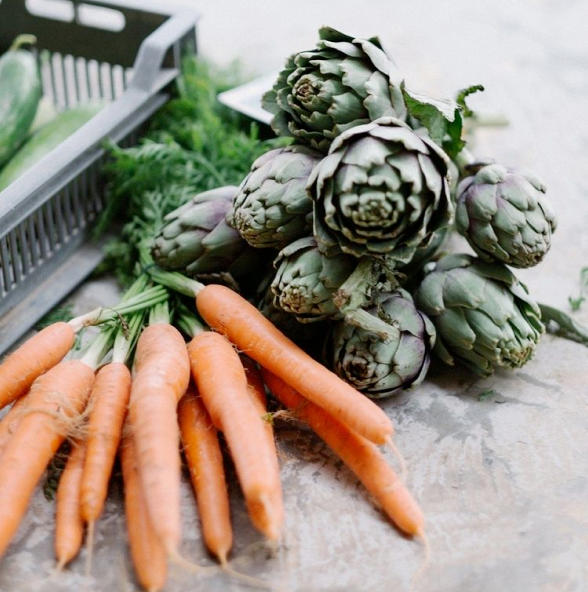
Food miles measure the literal distance in mileage between the producer and the consumer. They’re used to demonstrate the relative carbon footprints of conventionally farmed and imported groceries. This isn’t an effort to make consumers feel guilty. It’s about better understanding the burden our regular food consumption places on the environment. What it might compel some people to do is to be more proactive about growing some of their own food. We think that growing some of your own food is a pretty good idea anyway.
Although food miles are a good measure of how shipping food impacts the environment, they are the tip of the iceberg when it comes to overall production.
While it’s good to buy locally grown food for many reasons, ‘food miles’ (the distance food is transported from the time of its production until it reaches the consumer) actually make up a relatively small percentage of the overall carbon footprint of food — approximately 11% on average, according to studies. How the food is grown makes up a much larger percentage — roughly 83%.
For example, one study showed that lamb raised in New Zealand and shipped 18,000 kilometers to the UK still produced less than one quarter of the greenhouse gases than local British lamb. Why? Because local flocks were fed grains, which take a lot of energy to grow, while the New Zealand flocks were grazed on grass. Shipping the lamb to the UK was responsible for only 5% of the overall greenhouse gases, whereas 80% of the emissions were from farm activities. Similar life cycle assessments have found the same results for other foods. One assessment done for packaged orange juice found that over a third of the life cycle emissions came from just the synthetic fertilizer used on the orange groves.
Choosing to buy food that is organically grown can therefore be a better choice for the climate. But if possible, buy food that that is organic and local. — David Suzuki Foundation.
Consider these other aspects of the carbon footprint of food:

Again, this is not meant as a message of doom and gloom, but rather a reminder as we approach Earth Day that this business is serious. We urge everyone to Commit to Grow some food this summer, and to be part of the solution.