









There’s nothing quite as perfect as a ripe tomato – that distinctive fresh, green smell of a sun-warmed fruit that bursts in the mouth. It speaks of the summer’s heat like nothing else in the garden — but it does require starting tomatoes indoors.

There are months and months to go before we can enjoy that next fresh tomato, but the planning has to start soon to make it happen. By starting tomatoes indoors, they'll have a head start on growth, which brings maturity forward, producing fruits earlier in the season.
While tomato plants may be available at the garden store in the springtime, growing them from seed provides choice for unique characteristics, flavours, colours, and heritage.

Tomatoes are divided into two rough categories. Bush tomatoes produce fruit around the same time on relatively compact plants, while vine tomatoes bear fruit over a longer time on taller plants. There’s plenty of diversity within these categories as well. Tomatoes vary in colour, size, shape, flavour, and time of ripening. The delightful thing about growing tomatoes from seed is the potential to experiment over time and look for favourites.
First, consider the ultimate goal of growing tomatoes. This will help narrow down the diverse choices that are available. If season-long snacking is the aim, cherry tomatoes that vine, like Sweet Million, might be a good choice. They are petite, but super productive throughout the summer. If growing for canning, look for paste tomatoes or firm canning tomatoes. Bush varieties like Supremo or Manitoba produce abundant fruit at one time, so they’re ideal for a single summer canning session.
Think about growing conditions as well. Tomatoes want a warm, bright place to grow, and it’s best to situate them near to the house for easy watering. Bonny Best and Early Cascade are sturdy varieties that will stand up to cooler weather. To prevent certain issues that can occur on tomato plants later in summer, go for early season producers like Early Girl or Oregon Spring.

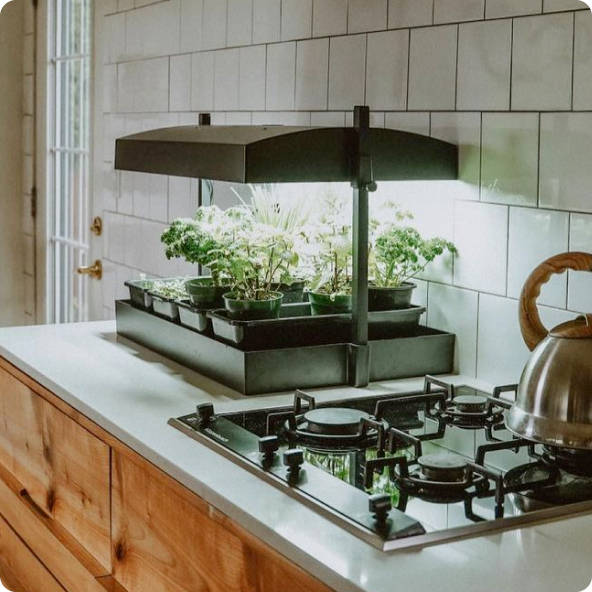
Once the variety has been selected, it’s time to set up a place where the seedlings can grow. To speed up germination and to insure that the seeds all germinate at once, it's a good idea to use a seedling heat mat. The "bottom heat" provided by such a mat can hasten germination by one to two weeks.
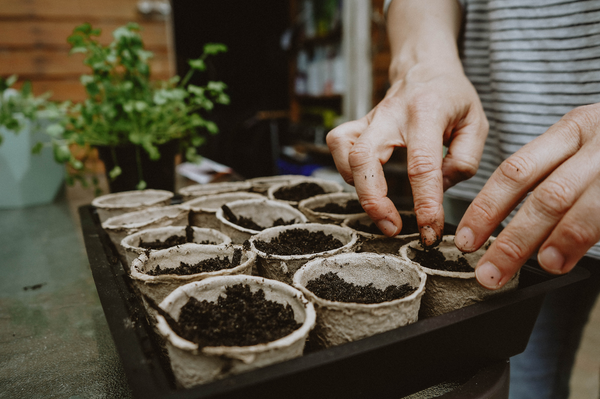
The best time to sow tomato seeds is mid-March to early April. By the time the weather begins to warm in June and July, the plants should be large and tough enough to withstand the weather in the great outdoors. When the time is right, sow tomato seeds in pots in a high quality seed starting mix. Dampen the soil so that it’s moist but not squishy to the touch, and sow two or three seeds ½ to 1cm deep. Keep tomato seedlings brightly lit by a grow light or in a very bright window. This will keep the young plants tougher and more compact.

What about transplanting the seedlings out into the garden? This is all about temperature. Early tomatoes can be planted outside when nighttime temperatures rise above 7°C (45°F), while all other tomatoes prefer minimum nighttime temperatures of 10°C (50°F) or higher. Err on the side of caution, as tomatoes are tropical plants that really dislike the cold.
When the weather has warmed up, transition tomato seedling into the outdoors by hardening them off, getting them used to the sun, wind, and weather. Place the seedlings in a sheltered place outdoors for a few hours every day, gradually increasing this over the course of about ten days. After a week, begin to leave them outdoors at night, unless the nighttime temperatures are still questionable.
When it’s time to move the seedlings into the soil, it’s important to give them a solid foundation. Tomatoes are notorious water hogs, and a deep root system will help them soak up enough water to get through hot summer days.
Tomato plants develop so-called adventitious roots around the base of their stems. When they are transplanted into to the garden, they can be sunk down so the soil touches the first set of true leaves.
Transplant time is also the first and best opportunity to give tomato plants a good feed. We like to dig a handful of balanced organic fertilizer into the soil at the bottom of each planting hole. Some gardeners like to incorporate worm castings as well, which seems to reduce transplant shock.
Is this your first year to try growing tomatoes from seed? Check out our Complete Indoor Growing Kit.