






Wild Women of the North Society is a nonprofit located in Quesnel, BC. Our society is a 100% volunteer organization. We were founded by a group of like-minded women who could see various gaps in our community that were not being addressed to our satisfaction by the powers that be in our part of the world. We formed our society and began to address some of the issues that we have had in our town, such as the opioid and mental health crisis and stigmatism that is associated with it. We also have a worsening child poverty rate and food insecurity for the majority of First Nations, seniors, people with disabilities, and everyone else struggling below the poverty line.

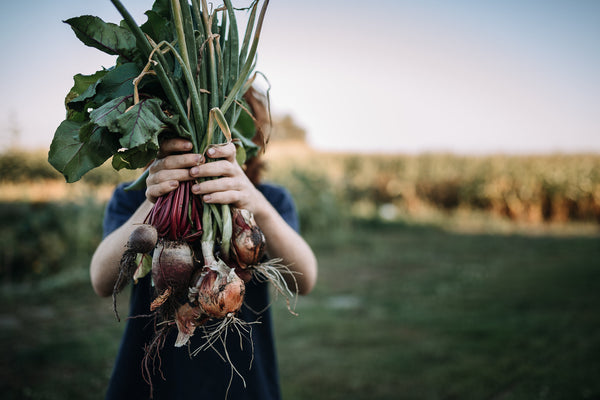
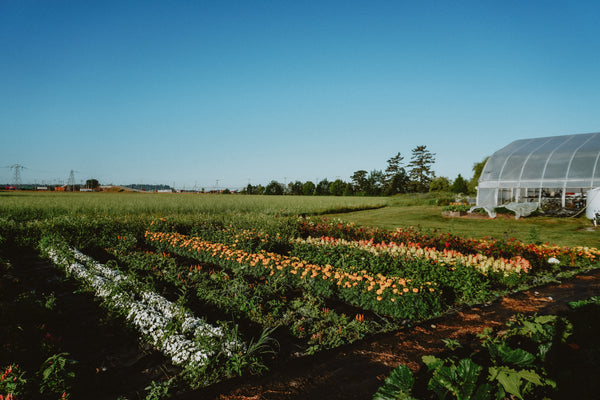
Our farm garden project asks senior farmers to donate unused garden space for our volunteers to grow food for hampers, which are distributed throughout the year. The Good Neighbor Garden Project distributes seed and seedlings to people in the community willing to grow and share their crop with people in need in their neighborhood.

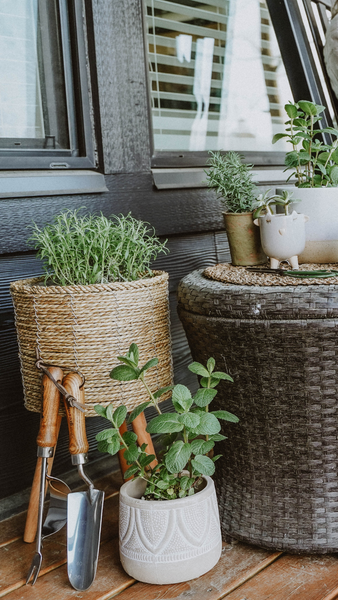
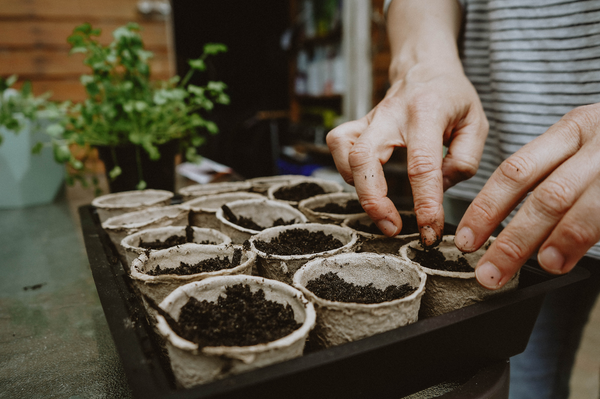
We teach students at the École Red Bluff Lhtako Elementary Kindergarten how plants grow, and send home container gardens with each student. We distributed two thousand pounds of fresh fruit and vegetables the first year, and doubled the amount the following year. We helped our low income families in our area by dropping off farm fresh hampers free of charge to those who need it.

We also have a street outreach that provides hot meals every Friday evening, and a drug user group that we feed every Tuesday. We are a small group of peers but it's amazing what pressure can build. Our board and volunteers all have huge barriers and are eager to fill the blaring gaps that most communities have to deal with. We work with various groups to get funding for the daily operations. BC Yukon Drug War Survivors provide funding for our drug user meetings. Our peers provide valuable information to essential services and the Northern Health Authority. We are also partially funded by Northern Health to train and distribute naloxone and harm reduction supplies.

We have partnered with the Quesnel Native Friendship Center on many occasions as they were our sponsors our first year. We help anyone who feels they are under-served in our community, either directly with food assistance and delivery or indirectly by helping them to find services already provided by various other organizations in our area. Our city's population in 2016 was 23,146. We are a mill town with two mills closing since 2016, and our child poverty rates were some of the highest in BC. We felt that our garden projects bridged a generational gap, teaching people in our community about food security and traditional organic practices as well as permaculture methods. Providing healthy food free of charge to the people most in need is the most rewarding part.

Our farm garden project asks senior farmers to donate unused garden space for our volunteers to grow food for hampers, which are distributed throughout the year. The Good Neighbor Garden Project distributes seed and seedlings to people in the community willing to grow and share their crop with people in need in their neighborhood.
We teach students at the École Red Bluff Lhtako Elementary Kindergarten how plants grow, and send home container gardens with each student. We distributed two thousand pounds of fresh fruit and vegetables the first year, and doubled the amount the following year. We helped our low income families in our area by dropping off farm fresh hampers free of charge to those who need it.
We also have a street outreach that provides hot meals every Friday evening, and a drug user group that we feed every Tuesday. We are a small group of peers but it's amazing what pressure can build. Our board and volunteers all have huge barriers and are eager to fill the blaring gaps that most communities have to deal with. We work with various groups to get funding for the daily operations. BC Yukon Drug War Survivors provide funding for our drug user meetings. Our peers provide valuable information to essential services and the Northern Health Authority. We are also partially funded by Northern Health to train and distribute naloxone and harm reduction supplies.
We have partnered with the Quesnel Native Friendship Center on many occasions as they were our sponsors our first year. We help anyone who feels they are under-served in our community, either directly with food assistance and delivery or indirectly by helping them to find services already provided by various other organizations in our area. Our city's population in 2016 was 23,146. We are a mill town with two mills closing since 2016, and our child poverty rates were some of the highest in BC. We felt that our garden projects bridged a generational gap, teaching people in our community about food security and traditional organic practices as well as permaculture methods. Providing healthy food free of charge to the people most in need is the most rewarding part.
We feed roughly 3,000 people through our street outreach program and provide hundreds of food hampers every year for low income families struggling to feed their families. The fresh garden vegetables grown by our volunteers is huge help to both of these programs, providing essential nutrients to people in dire need of healthy food. Working with other nonprofits we aim to get people on to a healthier path. We can see visible changes in our community since the inception of our nonprofit projects such as less people stealing to feed themselves or their addiction. By teaching naloxone administration, there are less people dying from overdose. The next plan is to get people struggling to find affordable housing; our hotels are currently filled with overflow from our homeless shelter.

We feel that the Wild Women of the North Society gives our members a sense of food security and a natural feeling of wellbeing, feeding themselves and their neighbors. The reason we feel we are so effective is everyone who is involved with our programs has lived experience, meaning we have survived being homeless or struggled with addiction and or lost family to addiction and overdose. Knowing there is no judgment and we come from similar background, people tend to be more open to being helped.