
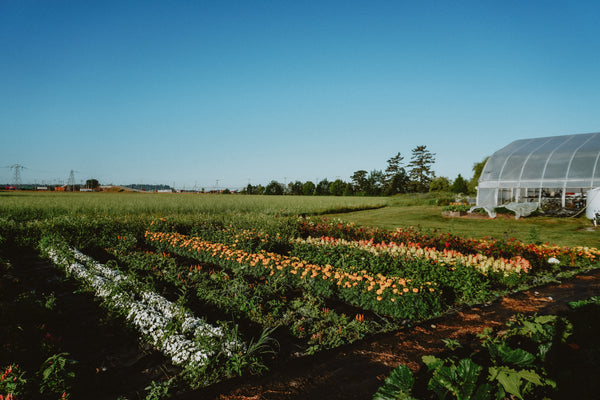











Multispecies cover crops offer numerous benefits compared to monocultures. By combining different plant species, a cover crop can boost the health of the soil microbiome, improve soil structure, enhance nutrient cycling, and suppress weeds more effectively. Each species contributes unique traits that lead to a healthier garden. For example, legumes like clovers and vetches fix atmospheric nitrogen, flowers such as alyssum and phacelia attract beneficial insects, and grasses like rye and oats enhance soil structure with their extensive root systems.
Moreover, diversity in species can create a system more resilient to pests and diseases, benefiting the crops you plan to plant in the spring. A varied cover crop can offer greater protection through our unpredictable winters, and different plant families' leaf structures ensure maximum carbon sequestration even through the darker days of the year.

Selecting Plant Varieties
When choosing plants for your multispecies cover crop, consider a balanced mixture from different plant families:
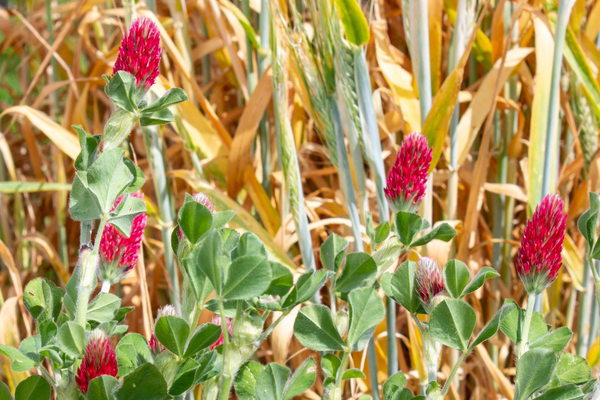
- Legumes: Crimson clover and hairy vetch are excellent for nitrogen fixation. Crimson clover thrives in cool, wet climates, while hairy vetch is hardy and provides cover in colder seasons.
- Grasses: Annual ryegrass, oats, and winter wheat serve as a solid foundation for your cover crop mix. Their quick growth and soil-binding properties help control erosion.
- Brassicas: Including radishes or turnips with their deep taproots helps break up compacted soil layers and improves water infiltration.
- Other Forbs: Plants like phacelia, which attract beneficial insects, add another layer of biodiversity and ecological benefit. If the days are still quite warm when you sow your cover crop, you can even use sunflowers in your mix and have them die off when the first frost strikes.
Timing for Seeding
Timing your multispecies cover crop seeding is critical. Ideally, plant from late summer to early fall, typically from August to September. This allows the crops to establish before winter rains, ensuring they provide soil cover and growth even during cooler months.
If you don’t have irrigation, it's essential to seed just before rain to ensure optimal germination and establishment. In regions with early frosts, slightly earlier planting may be necessary for sufficient growth before the cold sets in. Aim to have the cover crop around six inches tall with a good dense cover before November 1. Your density of seeding and plant health will ensure that no soil in your garden is visible.
Terminating Cover Crops
Some crops like oats or peas may winterkill in your region, which is fine, as they'll act as excellent mulch upon decomposing. Tougher, aggressive cover crops like vetch and rye could pose challenges in the spring, however, if you plan on early planting. On my farm, we typically use these hard-to-kill crops in areas designated for squash or outdoor tomatoes. We manage them in early May with a flail mower. In your garden, you could chop them with a trimmer and cover with plastic for a week or two to terminate them before introducing summer-loving crops that would be planted in the crop residue.
Conclusion
Integrating a well-planned multispecies cover crop can significantly enhance the ecological performance of your garden and set it up for success in the following year. By choosing the right mix of species and timing the planting correctly, gardeners can boost soil fertility, protect against erosion, and create a more resilient garden ecosystem.
Visit the Local Harvest website and follow along on Instagram.