












Raised helping in the garden alongside my mom, I (Julie) grew up with dirt on my hands, and a love for flowers in my heart. Now a photographer and lifelong garden enthusiast, I capture the beauty of our property in every season—celebrating the tiny details and fleeting moments that make nature magical.
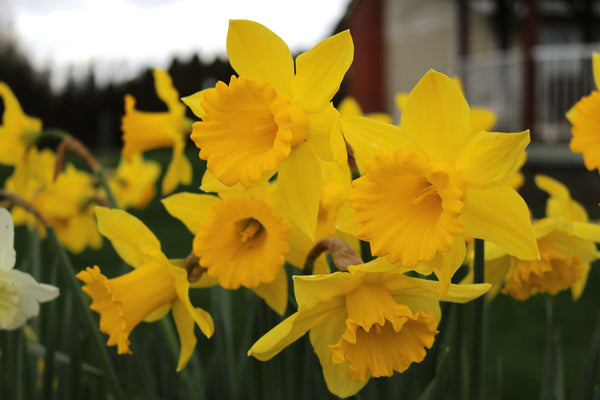
One of the most magical parts of gardening is discovering the details that are often overlooked. A raindrop clinging to a petal, the delicate details of a leaf, a perfectly spun spider’s web, the golden dusting of pollen on a bee’s legs—these are treasures that can’t always be seen at a glance. That’s where macro photography comes in.
Macro photography allows us to step into a miniature world, transforming the ordinary into the extraordinary. In your own garden, it can become a way to not only document your plants but also to see them with fresh eyes. If you already enjoy photographing your garden treasures, macro photography is an explorative way to expand your skills and image library.

Why Try Macro Photography in the Garden?
• Celebrate the details – Flowers, foliage, and pollinators are full of
hidden textures and patterns.
• Connect more deeply with your plants – Looking closely makes you
notice changes you might miss otherwise.
• Create lasting memories – A bloom may only last a week, but a
photograph preserves its beauty forever. I take a quick walk around our property daily
to make sure I don’t miss anything!
Getting Started: Tools and Tips
You don’t need expensive gear to start capturing stunning close-ups. Here are a few ways to begin:
1. Use what you have – Many smartphones now have excellent macro modes. I would recommend trying that before investing in an expensive camera and lens.
2. Work with the light – Soft morning or evening light is ideal. Harsh midday sun can wash out details. I usually aim for golden hour for optimal lighting (within one hour after sunrise and one hour before sunset).
3. Steady your shot – Even the smallest shake is magnified in macro photography. A tripod or simply bracing your body as much as possible will make a substantial difference.
4. Look for movement – Pollinators, like bees and butterflies, bring life and energy to your photos. Be patient and let them come to you.
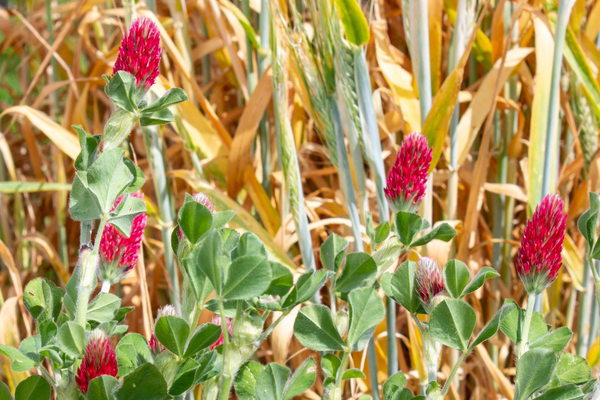
5. Explore textures – Beyond flowers, try capturing the spiral of a fern, the fuzz on a stem, or the sheen of dew on a leaf.

A Garden Through a Different Lens
Macro photography teaches us that beauty lies in the tiniest of details. When you look closely, you’ll find entire worlds within your garden—worlds you may never have noticed before. Whether you’re documenting your blooms for a flower journal, sharing them online, or simply enjoying the process, macro photography invites you to slow down and savour your garden in a new way.
So next time you head outside, bring your camera—or your phone—and let curiosity guide you. You might be surprised at what you discover hiding in plain sight.
You can find me at my Instagram account below, and feel free to message me with any flower or macro photography questions you may have!